If you buy refractories internationally, you will see all three words in supplier catalogs, RFQs and search results. Using the wrong one can lead to unclear quotations or mismatched specifications. This guide explains what each term means and how to write your requirement clearly.
The Three Terms at a Glance
| Term | What it is | Chemical Formula | Is It Magnesia Brick Material? |
| Magnesite | Natural Mineral (Raw Ore) | MgCO₃ | Not Exactly, Only Raw material Before Calcining |
| Magnesia | Magnesium Oxide (Refractory Raw Material) | MgO | Yes, the Main Component of Magnesia Bricks |
| Magnesium | Metallic Element | Mg | No, Not Used to Make Refractory Bricks |
Magnesite Brick vs Magnesia Brick: Is There a Difference?
Historically, “magnesite brick” meant a brick made from calcined natural magnesite. Today the two names are used interchangeably in many markets, and suppliers often list both. What matters is not the name but the specification:
- Raw material type (sintered or fused magnesia);
- MgO content and impurity limits (CaO, SiO₂, Fe₂O₃);
- Physical properties (bulk density, apparent porosity, cold crushing strength);
- High-temperature performance (such as refractoriness under load).
Two bricks that are both called “magnesia brick” can perform very differently if their raw materials and MgO content differ.
Related Brick Types That Use Magnesia
“Magnesia” also appears in the names of other refractory families. These are different products, not synonyms:
| Product | Main Components | Typical role |
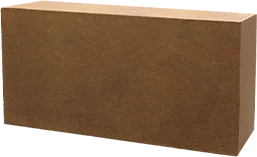
| Magnesia brick | MgO | Basic Refractory Lining for High-Temperature Furnaces |
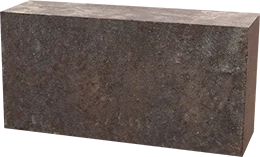
| Magnesia Carbon Brick | MgO + Graphite | Steelmaking Vessels Such as Converters, Electric Arc Furnaces and Ladles |
| Magnesia Spinel Brick | MgO + Al₂O₃ or Spinel | Zones Needing Better Thermal Shock Resistance, Such as Cement Kilns |
| Magnesia Chrome Brick | MgO + Chromium Oxide | Traditional Choice for Some Kilns and Smelters, Now Often Replaced with Chrome-Free Options |
See our comparison of magnesia, magnesia-carbon, magnesia-alumina and magnesia-spinel bricks (link once published) for how to choose between them.
Why Correct Terminology Matters When Buying
Clearer quotations. Suppliers can quote accurately when you specify MgO content and raw material type instead of only a name.
Fewer specification disputes. Test reports and contracts should use measurable properties, not just product names.
Better search results. Searching with both “magnesia brick” and “magnesite brick” will show more suppliers and technical documents.
Correct handling. Magnesia reacts with water over time to form magnesium hydroxide, so bricks and powders should be kept dry regardless of what they are called.
What to Include in Your RFQ
To avoid confusion, include:
- Application and furnace type (for example, cement rotary kiln, steel ladle, glass furnace regenerator);
- Working temperature and the slag or atmosphere conditions;
- Required MgO content and limits for key impurities;
- Raw material preference (sintered or fused magnesia), if any;
- Required physical properties, such as bulk density, apparent porosity and cold crushing strength;
- Brick shapes, dimensions and quantity;
- Packaging, delivery destination and required test reports;
REBO Magnesia Refractory Bricks Series
To review specifications, visit REBO magnesia refractory brick product page or send us your furnace conditions and requirements for a recommendation.