
Types of REBO Refractory Cement
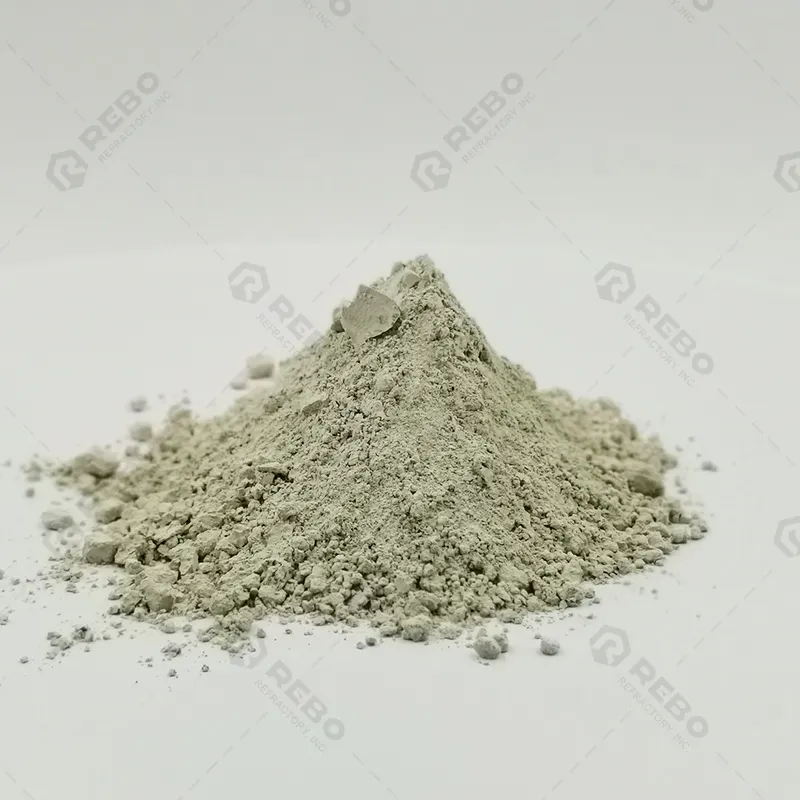
Calcium aluminate is abbreviated as “CA”. In the industry, cement is classified into three commonly used types based on its alumina content: CA50, CA70 and CA80. As the alumina content increases, the purity, refractory temperature and physicochemical properties of the cement and monolithic castable refractory also change significantly. The following details the differences and applications of these three types of refractory cement.

CA50 Cement
A700: Stable setting for formulating medium and low cement castables.
A800: High-purity for formulating low-cement castables.
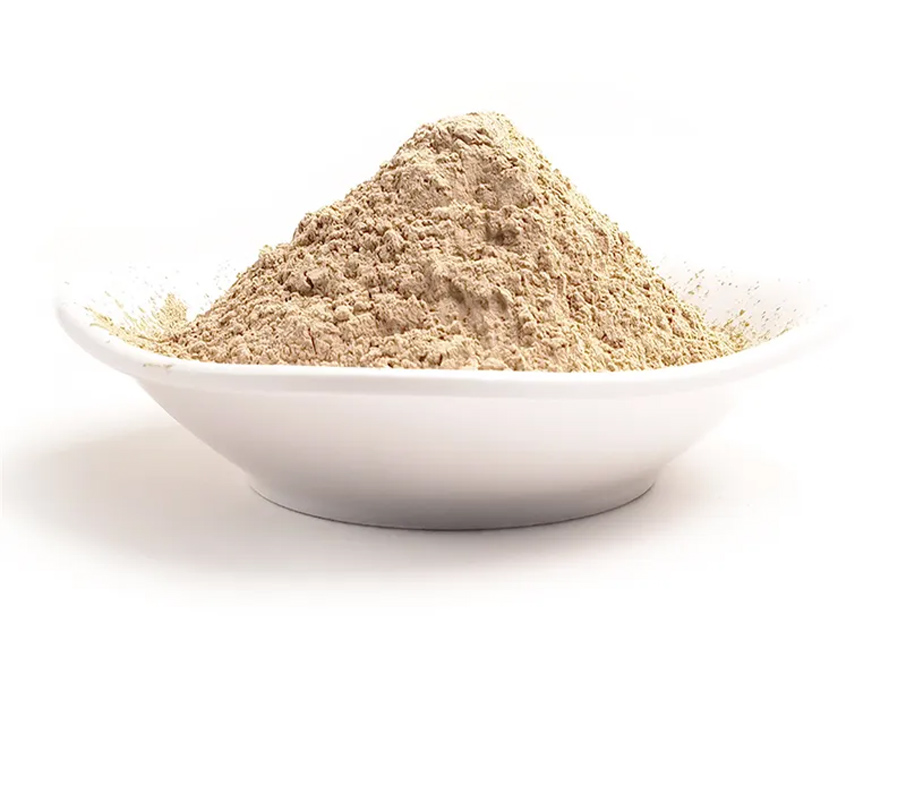
CA70 Cement
CA70W: “W” stands for Winter (suitable for low-temperature environments).
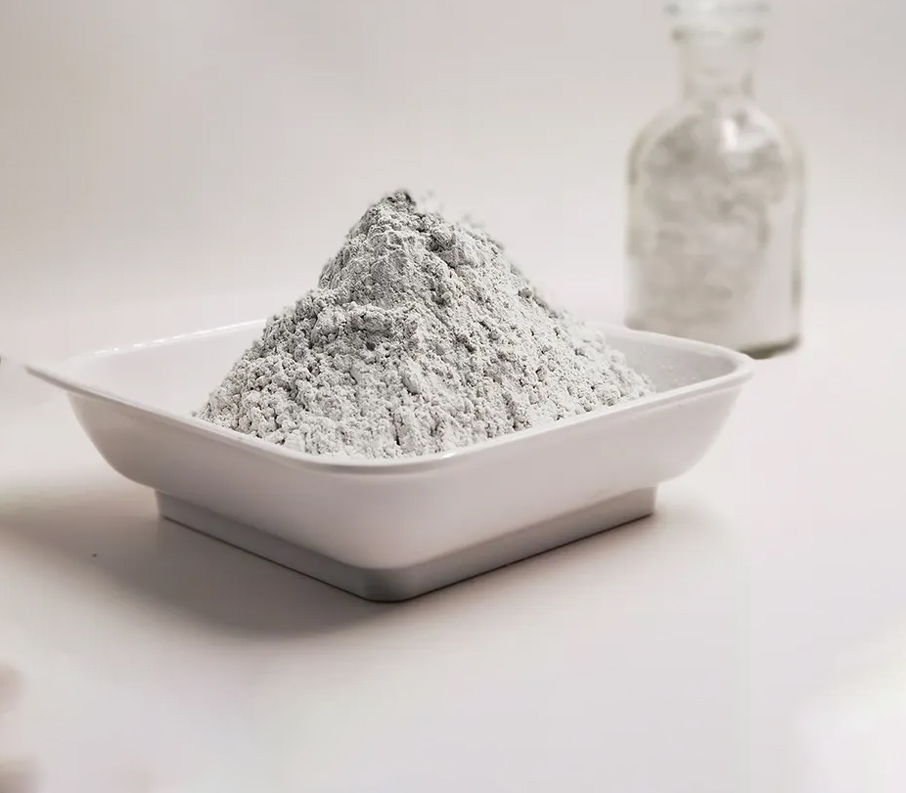
CA80 Cement
CA80S: Offers superior flowability, extended working time, and lower water demand.
Specifications of REBO Refractory Cement
| Items | CA50-A600 | CA50-A700 | CA70 | CA80 | |||||
|---|---|---|---|---|---|---|---|---|---|
| Values | Typical | Limit | Typical | Limit | Typical | Limit | Typical | Limit | |
| Chemical Composition | |||||||||
| Al2O3 | % | 50-51 | ≥50 | 50-52 | ≥50 | 68-71 | ≥68 | 78-80 | ≥77 |
| CaO | % | 32-35 | ≥32 | 32-35 | ≥32 | 28-30 | ≤30 | 18-20 | ≤20 |
| SiO2 | % | 7.8-8.3 | ≤9.0 | 7.0-7.5 | ≤8.0 | 0.2-0.7 | ≤1.0 | 0.1-0.4 | ≤0.5 |
| Fe2O3 | % | 1.5-2.5 | ≤3.0 | 1.5-2.5 | ≤3.0 | 0.1-0.5 | ≤0.7 | 0.1-0.4 | ≤0.5 |
| Na2O+K2O | % | – | ≤0.5 | – | ≤0.5 | – | ≤0.4 | – | ≤0.4 |
| Physical Properties | |||||||||
| 325 Mesh Residue | % | – | ≤20 | – | ≤15 | – | ≤8.0 | – | ≤5.0 |
| Blaine Fineness (㎡/kg) | % | – | ≥320 | – | ≥350 | 380-420 | ≥350 | 450-500 | ≥450 |
| Initial Setting Time | min | 50-120 | ≥30 | 50-120 | ≥30 | 180-240 | ≥150 | 150-210 | ≥30 |
| Finish Setting Time | min | 90-180 | ≤360 | 120-210 | ≤360 | 240-300 | ≤360 | 210-270 | ≤300 |
| Flexural Strength (24h) | MPa | – | ≥5.5 | – | ≥6.5 | 9-11 | ≥5.0 | 6-8 | ≥4.0 |
| Flexural Strength (72h) | MPa | – | ≥6.5 | – | ≥7.5 | 11-12 | ≥6.0 | 7-9 | ≥5.0 |
| Compressive Strength (24h) | MPa | 45-55 | ≥40 | 50-60 | ≥50 | 45-55 | ≥30 | 40-50 | ≥25 |
| Compressive Strength (72h) | MPa | 50-60 | ≥50 | 60-65 | ≥60 | 55-65 | ≥40 | 50-60 | ≥30 |
Specifications & Order Flexibility of REBO Refractory Cement
Product Specifications & Customization
Customized Al2O3 Content: Available in tailored alumina grades, with main focus on 50%, 60%, 70%, and 80% Al2O3 content to meet different refractory and construction requirements.
Refractoriness & Max Service Temperature: Designed for high-thermal environments, withstanding maximum operating temperatures up to 1350-1800°C (depending on the alumina grade).
Bulk Density: High physical density ensuring superior mechanical strength and structural stability.
Packaging & FCL Loading Options
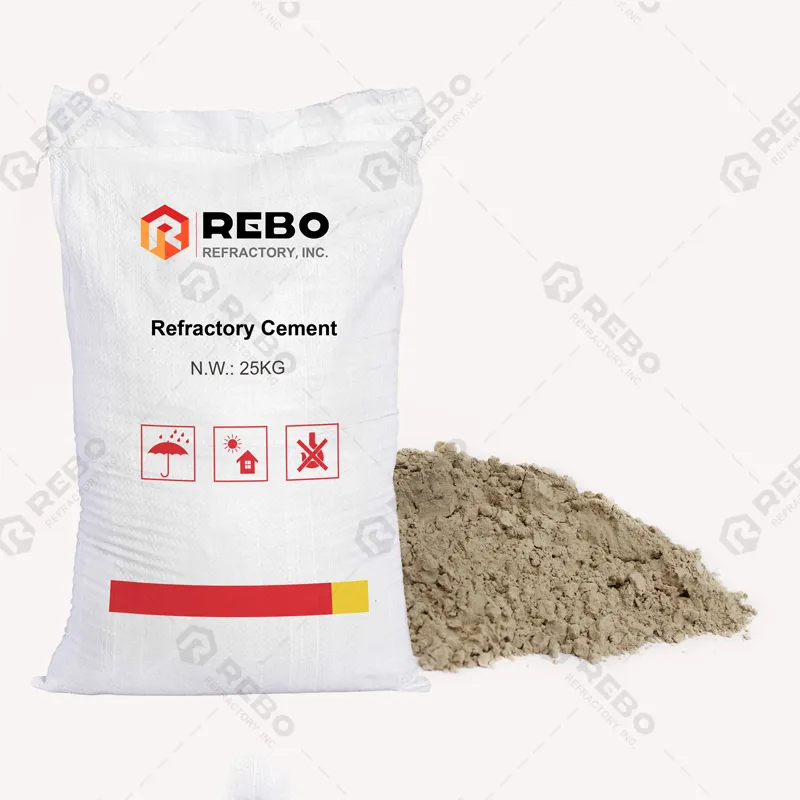
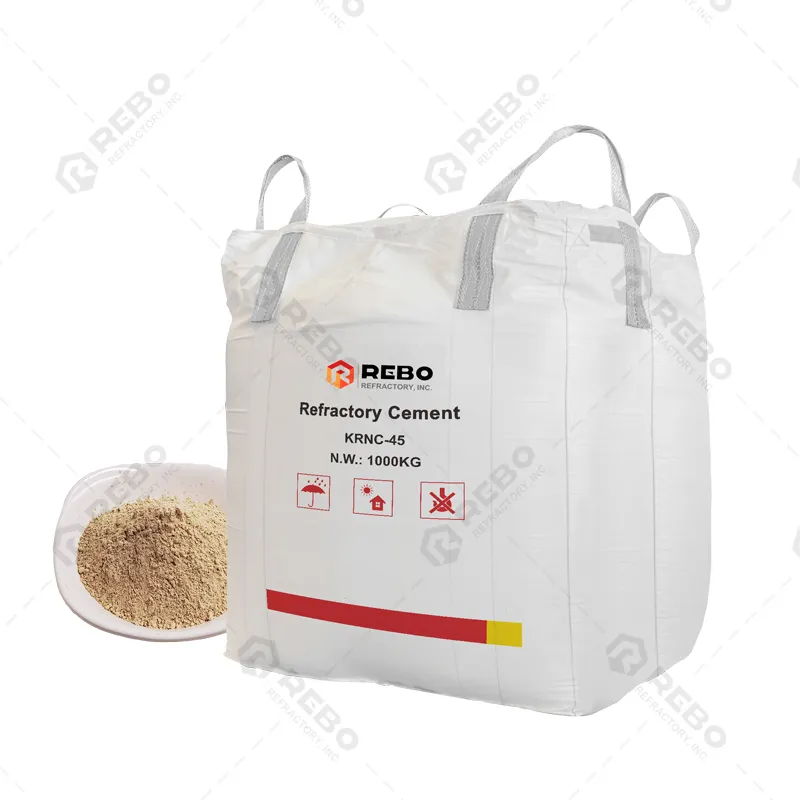
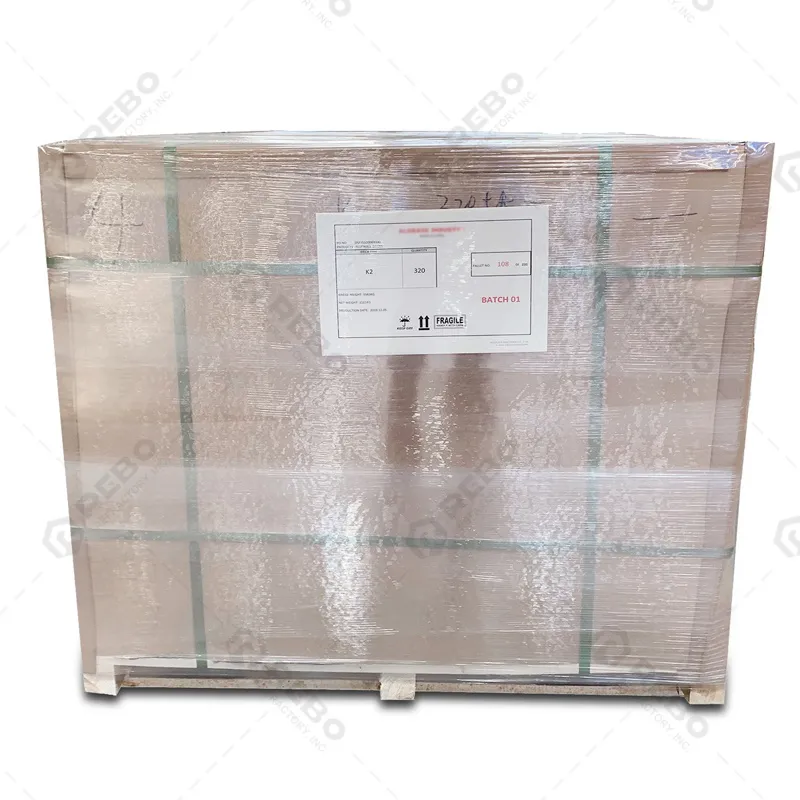
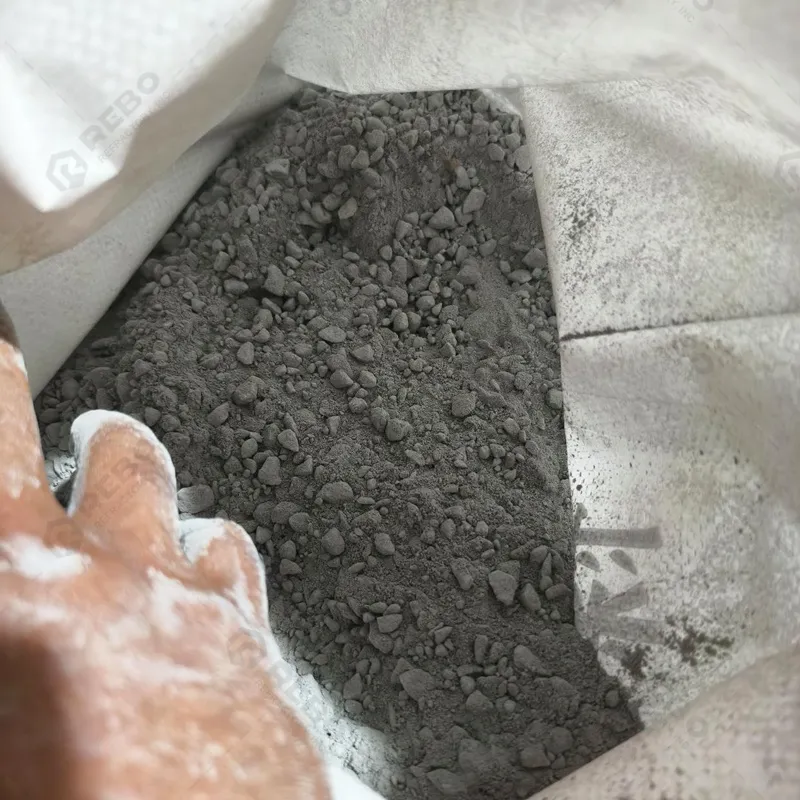
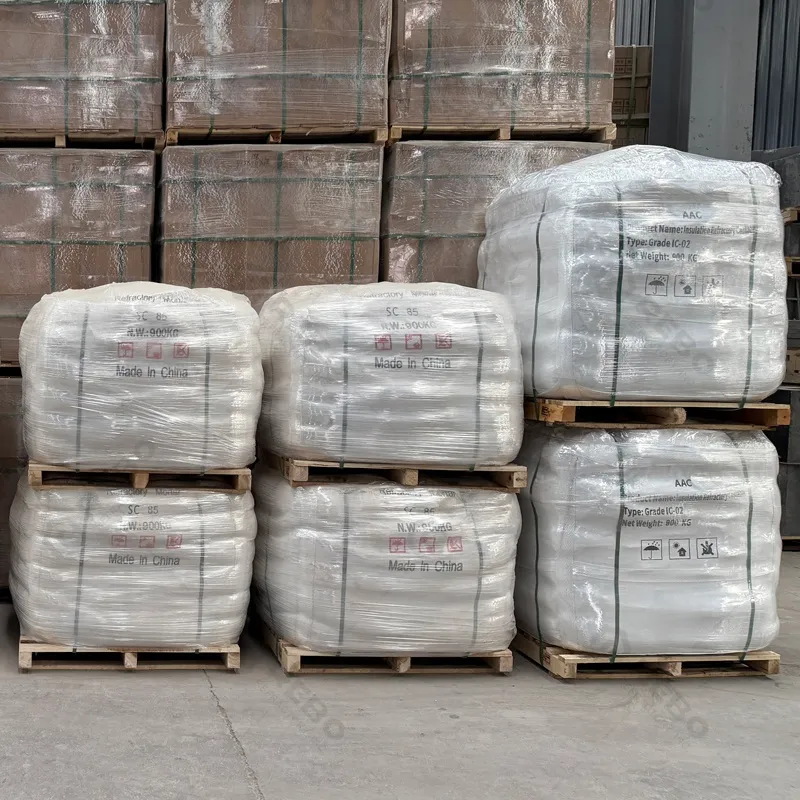
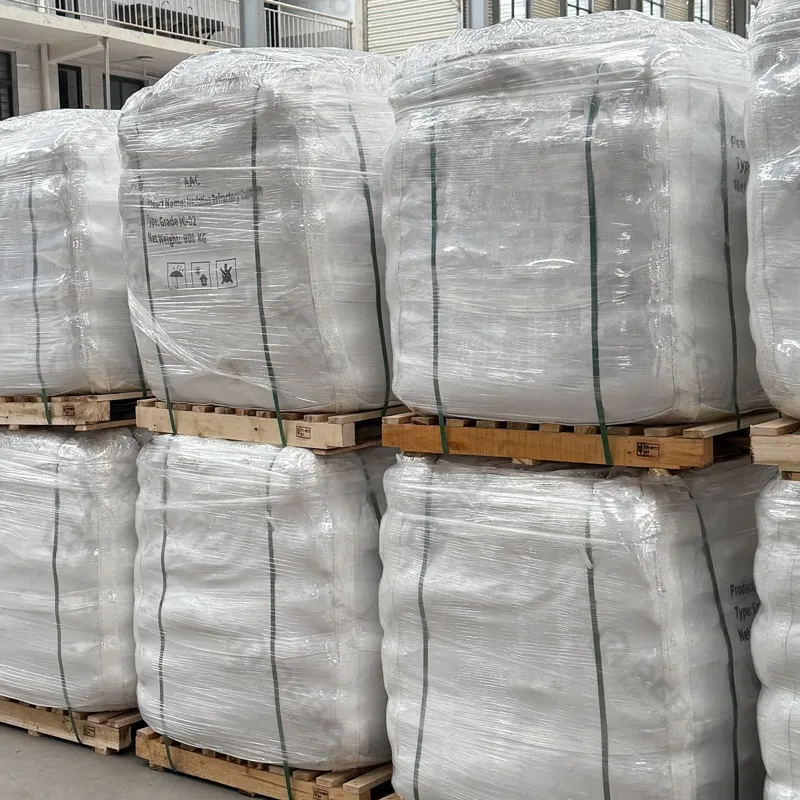
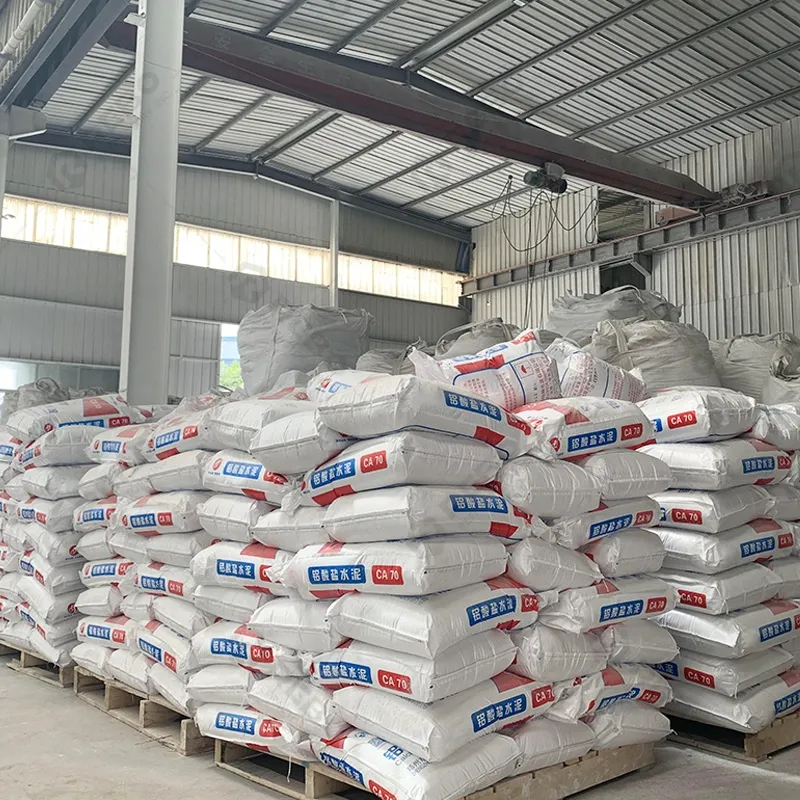
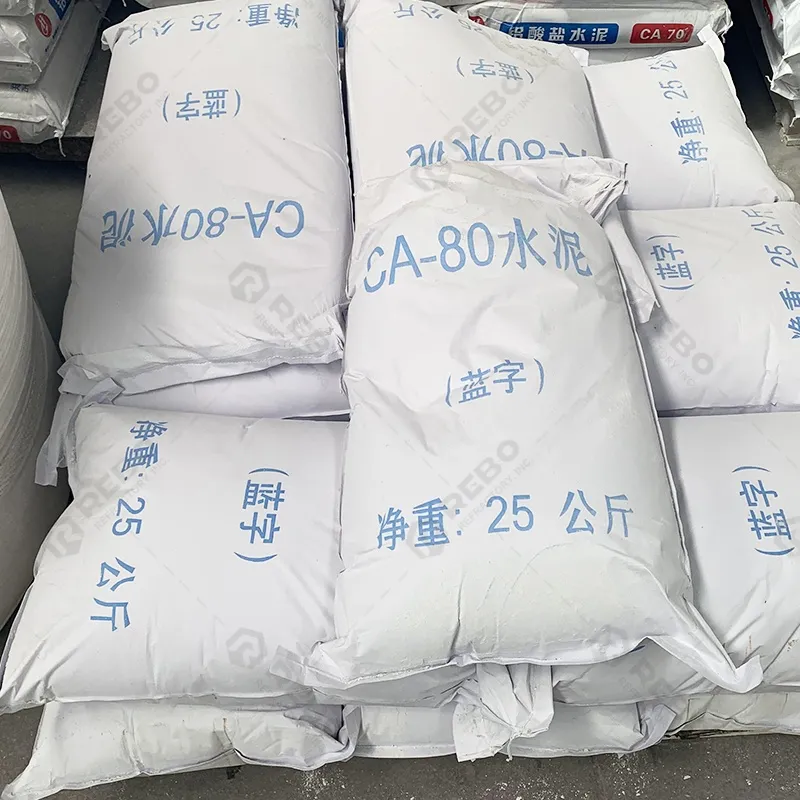
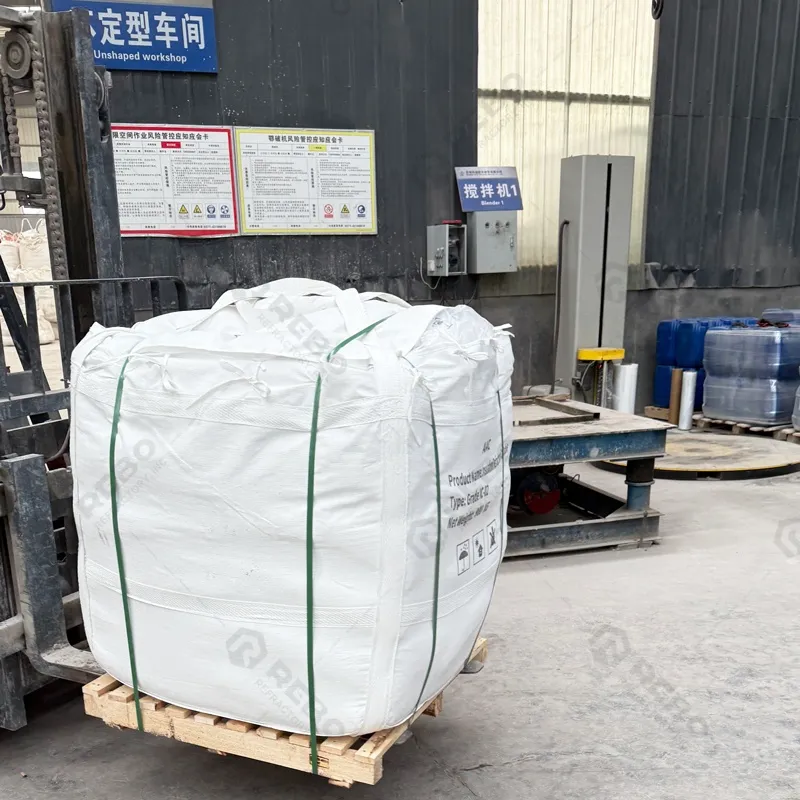
Standard Packaging: 25 kg multi-wall paper/PP bags and 1 Ton (1000 kg) jumbo bags (FIBC).
FCL & Pallet Capacity: Standard 20/40ft containers loaded with customized pallet configurations to maximize space efficiency and ensure safe ocean transport.
Custom OEM Packaging: Fully supports OEM customization, including tailored bag printing, company logo, and shipping marks (Maks).
Shipping, Logistics & Payment
Fast & Priority Lead Time: Standard production and dispatch within 7–15 working days upon order confirmation. Priority production & rush dispatch options are available for urgent client schedules.
Flexible Freight & Logistics: Long-term stable partnerships with major shipping lines, supporting multiple freight modes (FOB, CIF, CFR, DDP/DDU).
Flexible Payment Terms: Multiple payment options supported (T/T, L/C, etc.), open to negotiation based on order volume and client needs.



Trusted by Global Heavy-Industry Leaders
Over the years, REBO’s calcium aluminate cement has earned the trust of premier global manufacturers in aluminum, steel, glass, and cement industries including RUSAL, CHALCO, Alba, Egypt Aluminium, POSCO, ArcelorMittal, NLMK, HWI, Ghazvin Glass, and many more.
- Proven Global Track Record: Preferred by world-class industrial giants across Europe, Asia, and the Middle East for high-performance refractory environments.
- High Repeat Purchase Rate: Our clients rely on us not just once, but as a long-term strategic supply partner with consistent batch-to-batch quality.
- End-to-End Technical Support: Beyond premium products, we deliver customized lining maintenance and installation solutions that get glowing feedback from on-site engineering teams.


3 Main Applications of REBO Refractory Cement

High-Temperature Industries
As a high-performance hydraulic binder for refractory castables, ramming mixes, and plastics:
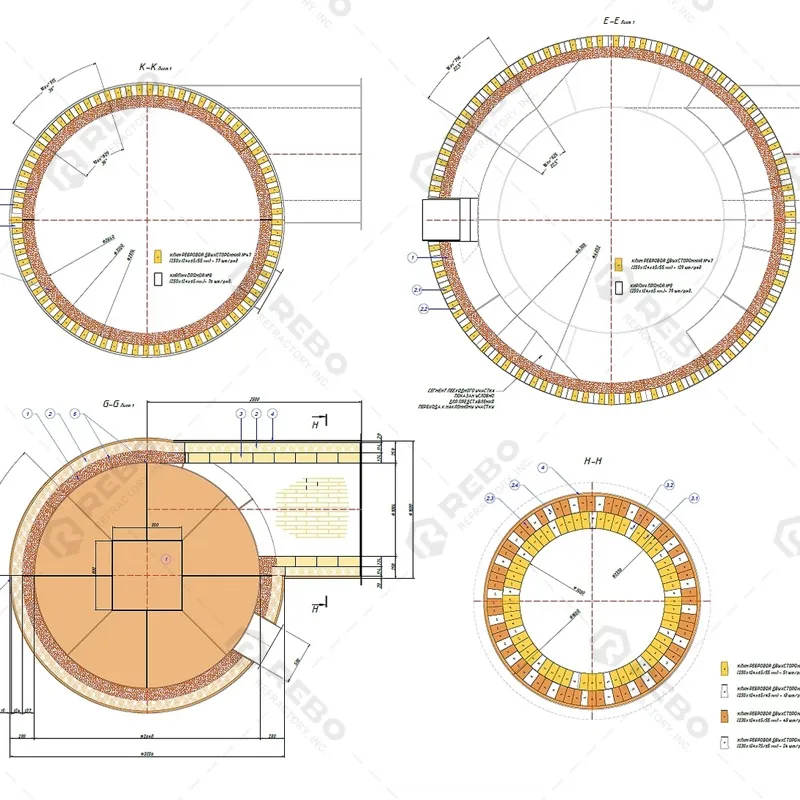
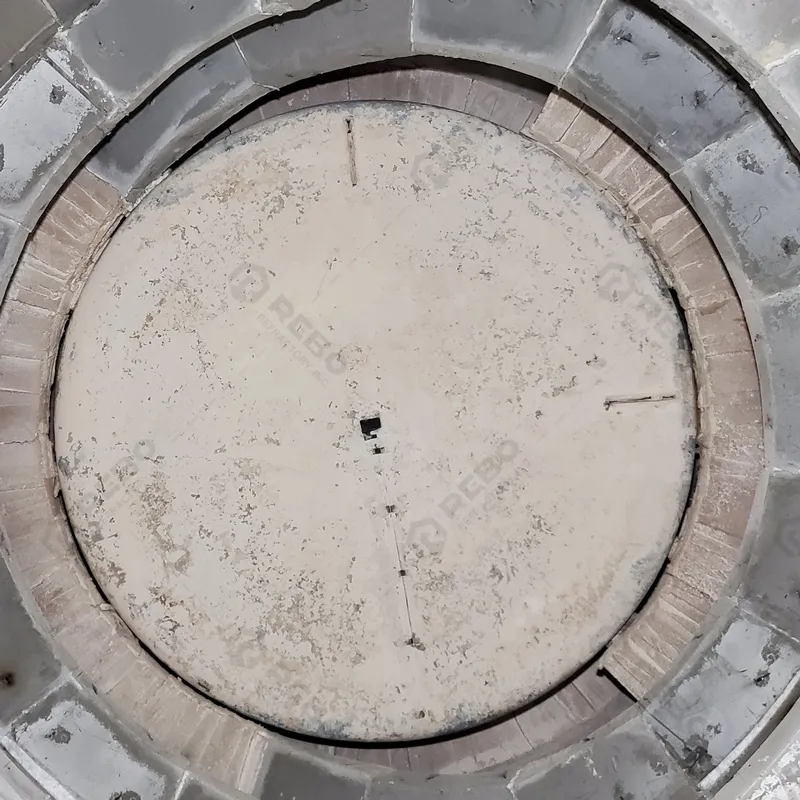
- Steel & Metallurgical Plants: Linings for iron runners, steel ladles, tundishes, reheating furnace hearths, and converter flues.
- Foundries & Non-Ferrous Smelting: Induction furnace linings, ladles, holding furnaces, aluminum reduction cells, copper/aluminum melting furnaces, and precast shapes like burner blocks.
- Cement & Petrochemical Facilities: Burning zones, calciners, and preheaters in cement rotary kilns, as well as Fluid Catalytic Cracking Units (FCCU) in oil refineries.
- Glass Industry: High-temperature zone linings and burner blocks for glass melting furnaces.
Corrosion-Resistant & Chemical Facilities
Leveraging high resistance to chemical attacks, acids, and sulfates:
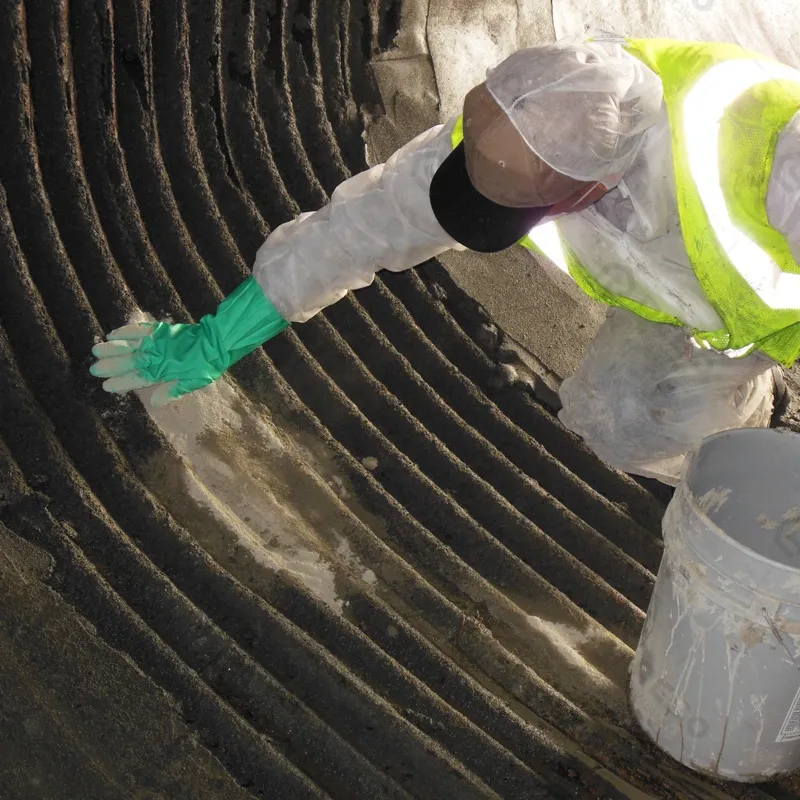
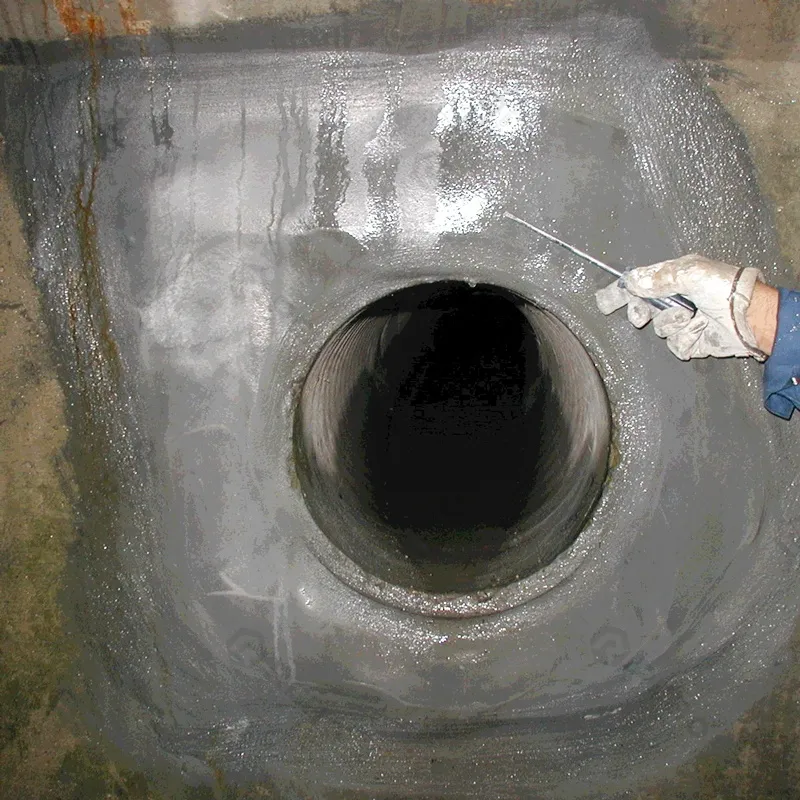
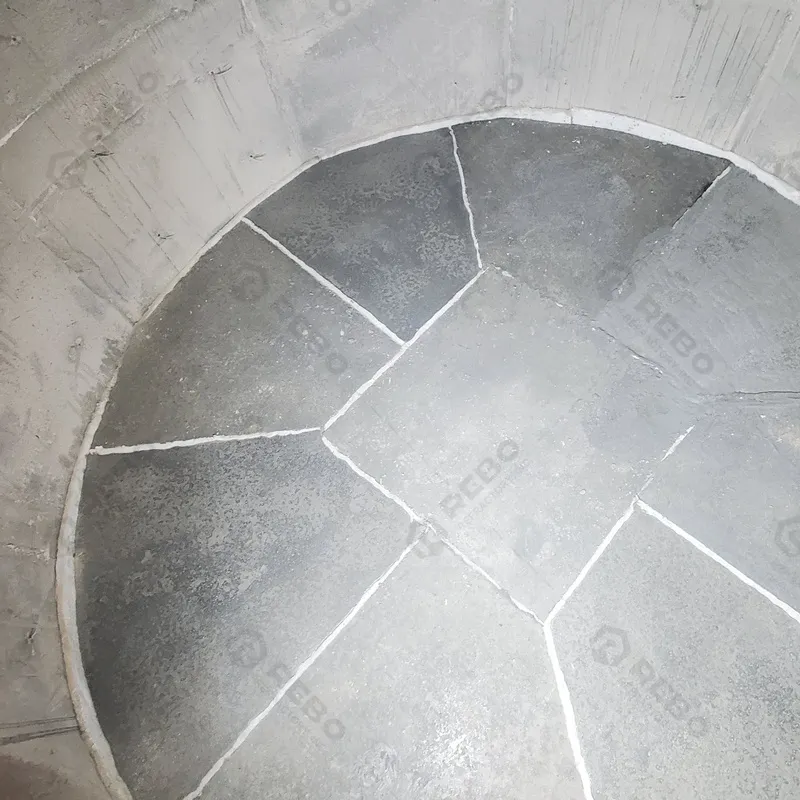
Chemical & Fertilizer Plants: Acid- and sulfate-resistant floors, drainage trenches, sump pits, and chemical containment bunds.
Mining & Underground Engineering
Utilizing rapid-hardening, quick-setting, and high early-strength characteristics:
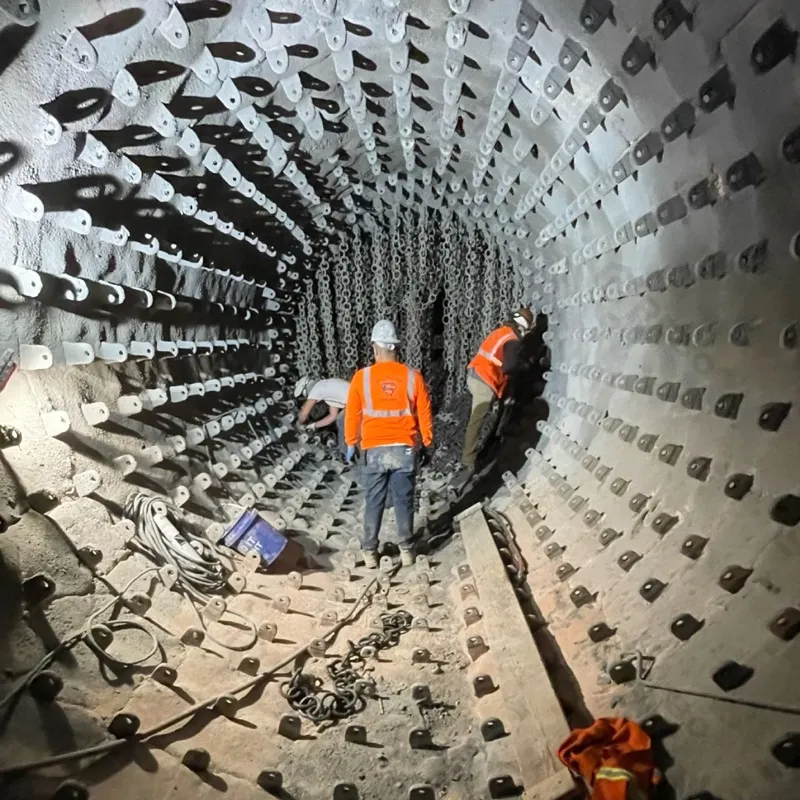
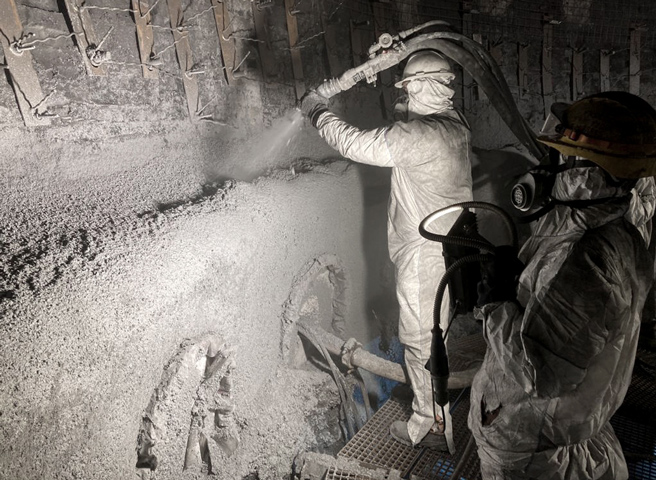
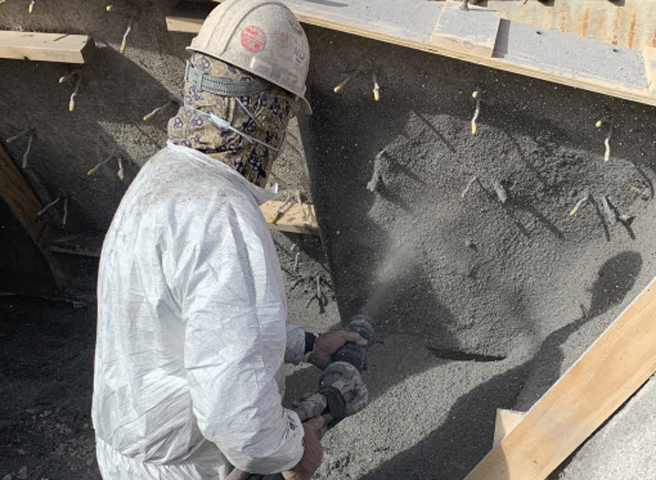
- Underground Shotcrete: Rapid setting agent for tunnel support, mine shafts, and cavern stabilization to ensure immediate structural safety.
- Backfilling & Grouting: Fast solidifying binder for mine void backfilling and weak stratum stabilization.
CA50 vs CA60 vs CA70 vs CA80
| Comparison | CA-50 | CA-60 | CA-70 | CA-80 |
|---|---|---|---|---|
| Al₂O₃ Content | 50% – 59% | 60% – 67% | 68% – 76% | ≥ 77% |
| Purity Grade | Medium Alumina (Standard) | Medium-High Alumina | High Alumina (Pure) | Ultra-High Alumina (High Purity) |
| Main Phase | CA | CA/CA₂ Mixed | CA₂ | CA₂ & CA₆ High-Purity |
| Max Temp. | 1300-1400°C | 1450-1550°C | 1600-1700°C | ≥ 1750-1800°C |
| Impurities (Fe₂O₃ / SiO₂) | Moderate (Fe₂O₃ ≤ 2.5%) | Low | Extremely Low (White, low iron) | Ultra-Low (Trace amounts) |
| Key Features | High early strength, fast curing | Balanced strength & refractoriness | Controllable setting, high hot strength | Superior sintering & thermal shock resistance |
| Applications | • Self-leveling & dry mortars • Sewer pipe anti-corrosion • Mid/low-temp linings (≤1350°C) |
• Mid/high-temp castables • Industrial boilers & kiln linings |
• Steel ladles & tundishes • Cement kiln burning zones • Petrochem FCCU reactors |
• Extreme high-temp kilns & burner blocks • High-purity alumina castables • Corundum & mullite shapes |
| Global Equivalent | Secar 51/CAC 50 /Istra 50 | Secar 60/CAC 60 | Secar 71/CA-14/CAC 70 | Secar 80/CA-25/CAC 80 |
REBO Confidence about Providing the Best Refractory Cement
As a renowned brand in the refractory materials field, REBO demonstrates strong technological confidence and market strength in providing a full range of high alumina cements. This confidence is deeply rooted in our production capability as well as extensive experience.
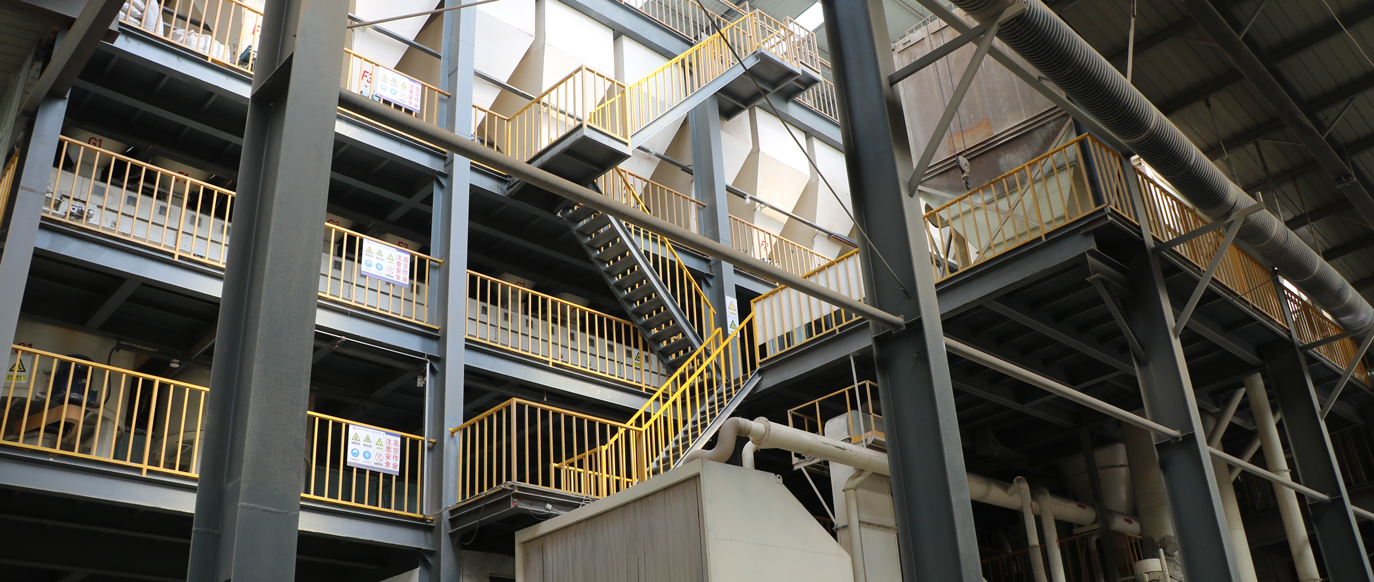

In-house Manufacturing
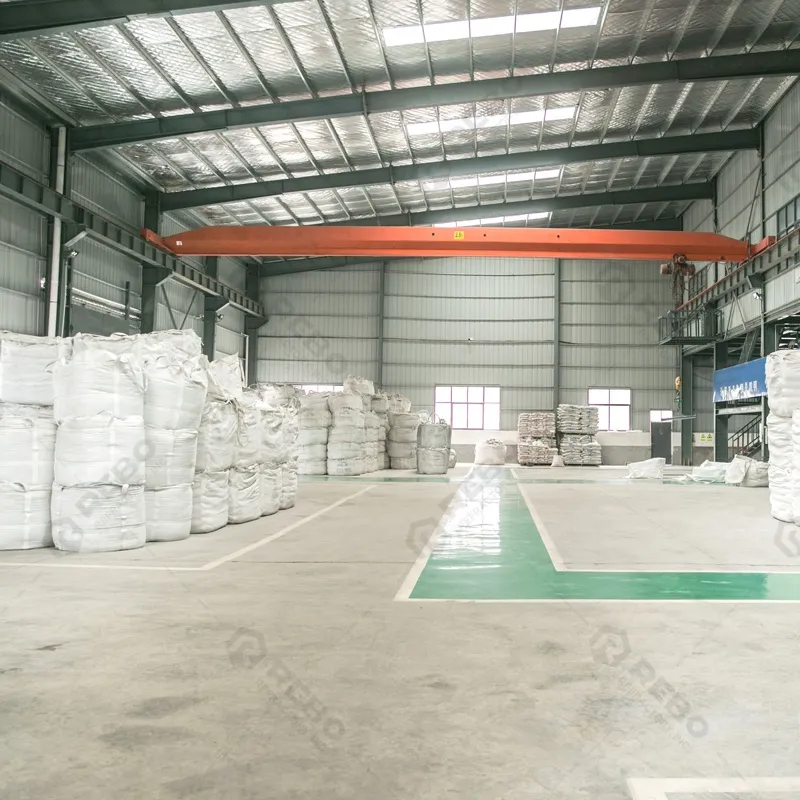
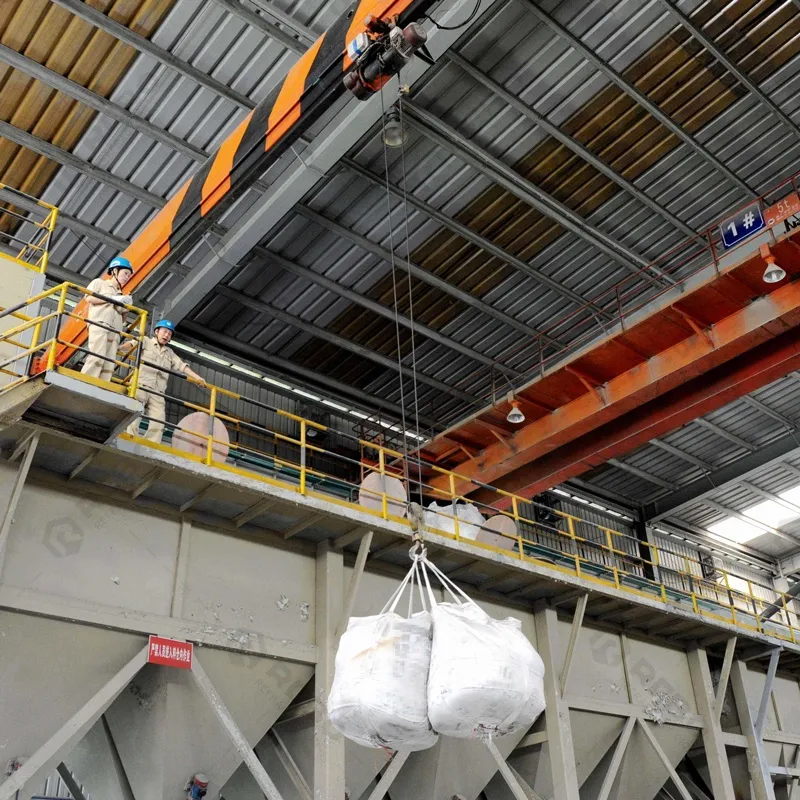
Unlike trading intermediaries, REBO operates a state-of-the-art, self-owned manufacturing facility equipped with fully automated, PLC-controlled rotary kilns. This guarantees a steady and scalable annual capacity of high-purity calcium aluminate refractory cement high temperature. By sourcing directly from our factory, global refractory cement buyers eliminate middleman markups, secure first-hand pricing, and enjoy prioritized production scheduling even during peak market demands. Welcome to visit REBO factory at any time!
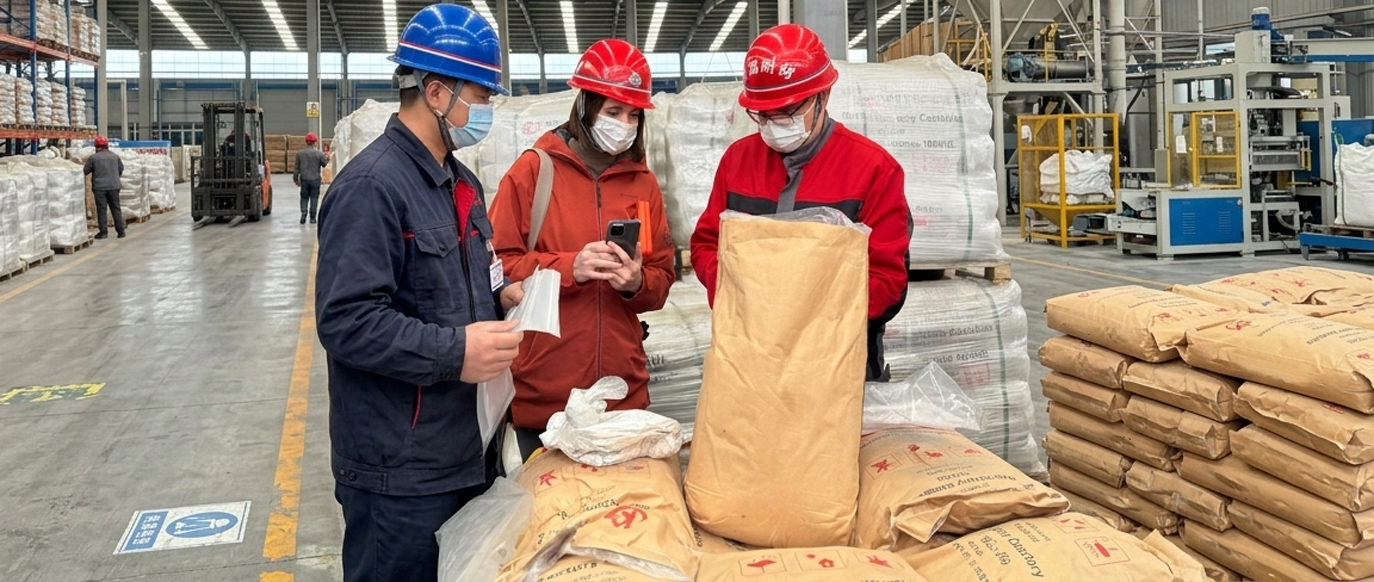

Quality Control
REBO implements a strict 6-stage, cross-functional quality control protocol spanning from raw materials (high-purity bauxite and limestone) to finished product packaging. Every batch of our alumina refractory cement and alumina bricks undergoes meticulous testing for critical benchmarks. Including chemical composition (FE2O3 ratios), setting time, and compressive strength alignment. We ensure full compliance with ASTM and ISO 9001 standards, providing certified consistency for every single shipment.
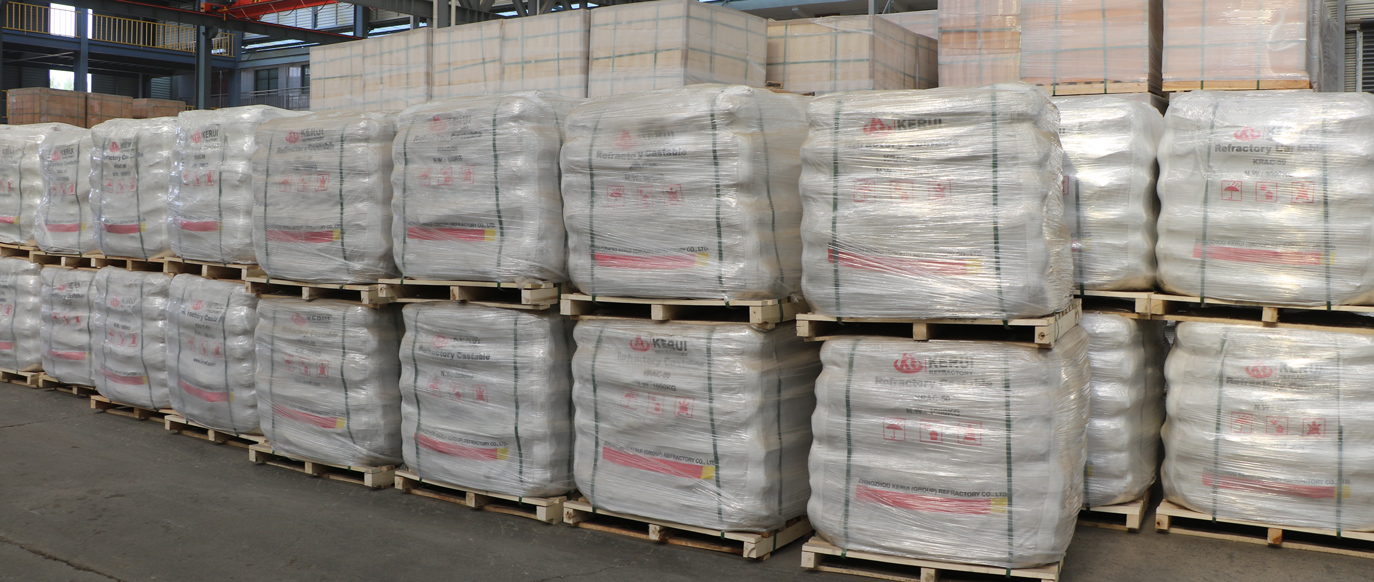

Extensive Experience
With over 20+ years of deep immersion in the refractory industry, REBO boasts a senior engineering team with extensive global project experience. We don’t just sell monolithic refractory cement; we understand how it behaves under extreme thermal shock, chemical corrosion, and mechanical wear. This rich expertise allows us to provide custom-formulated binders tailored to specific lining techniques (casting, gunning, or pumping) across the steel, kiln cement, aluminum, and petrochemical industries.


Comprehensive After-sales Support
The partnership doesn’t end when the container arrives at your port. REBO refractory cement suppliers provides comprehensive, deep after-sales support synchronized across global time zones. Our technical directors offer on-site mixing and installation guidance, optimal water-ratio tuning, and precise heating-up curve configurations to prevent cracking or lining failures. We remain your reliable technical backbone throughout the entire life cycle of your furnace lining.


FAQ of REBO Refractory Cement
Q: Can I Get a Free Sample Before Placing a Wholesale Order?
Let REBO refractory materials prove their value on your testing floor first.
Q: Can I Mix Different Shapes in One Container?
Q: What Standard Packaging Options Do You Offer? Can They Withstand High-Humidity Maritime Transit?
Q: Does Every Batch of Refractory Cement Come with a Certified Material Test Report?
Q: Can REBO Refractory Cement Fully Comply with Safety Regulations?
Q: Do You Accept Small Orders or Sample Requests of Refractory Cement?
Q: How Do I Apply Refractory Cement for Sale Correctly?
The Gold-Standard Application Steps:
Preparation: Ensure the steel casing is clean and free of rust. If applying over existing refractory bricks, pre-wet the surface thoroughly so it does not suck moisture out of the fresh hi temp stove and furnace cement mixture.Water Control: Always applying the cement with clean, potable water. Mix the dry powder thoroughly for 1–2 minutes before gradually adding water within the exact percentage range specified in our Technical Data Sheet (TDS).Curing: Maintain a controlled ambient environment between 15°C and 25°C (59°F–77°F). Keep the lining damp or covered for the first 24 hours to ensure complete hydraulic bonding./div>