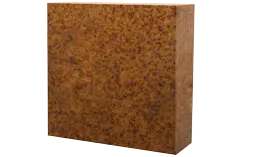
Dead Burned Magnesite


Technical Detailed of REBO Dead Burned Magnesia – DBM
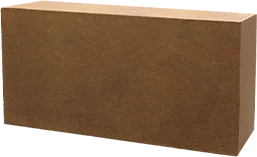
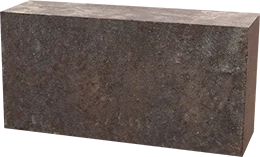
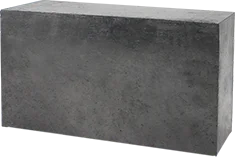
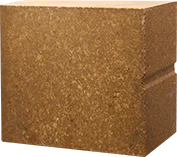
REBO dead burnt magnesite, also called sintered magnesia, is made by sintering natural magnesite or caustic calcined magnesia in a shaft kiln or rotary kiln at 1,500°C to 2,000°C (2,732°F–3,632°F). The result is a dense, stable refractory raw material available in MgO grades from 90% to 97.5%, with good resistance to basic slag. Detailed technical specifications for each grade are shown below:
| Item | LOI, % | SiO₂, % | CaO, % | Fe₂O₃, % | Al₂O₃, % | MgO (min), % | Bulk Density (g/cm³) |
| DBM97.5 | 0.27 | 0.64 | 1.06 | 0.42 | 0.1 | 97.5 | 3.26 |
| DBM97 | 0.2 | 0.85 | 1.16 | 0.56 | 0.11 | 97 | 3.27 |
| DBM95 | 0.3 | 1.6 | 1.81 | 0.95 | 0.19 | 95 | 3.1 |
| DBM90 | 0.59 | 3.66 | 1.73 | 1.84 | 1.7 | 90 | / |
Comparison of Different Sizes of Dead Burned Magnesite
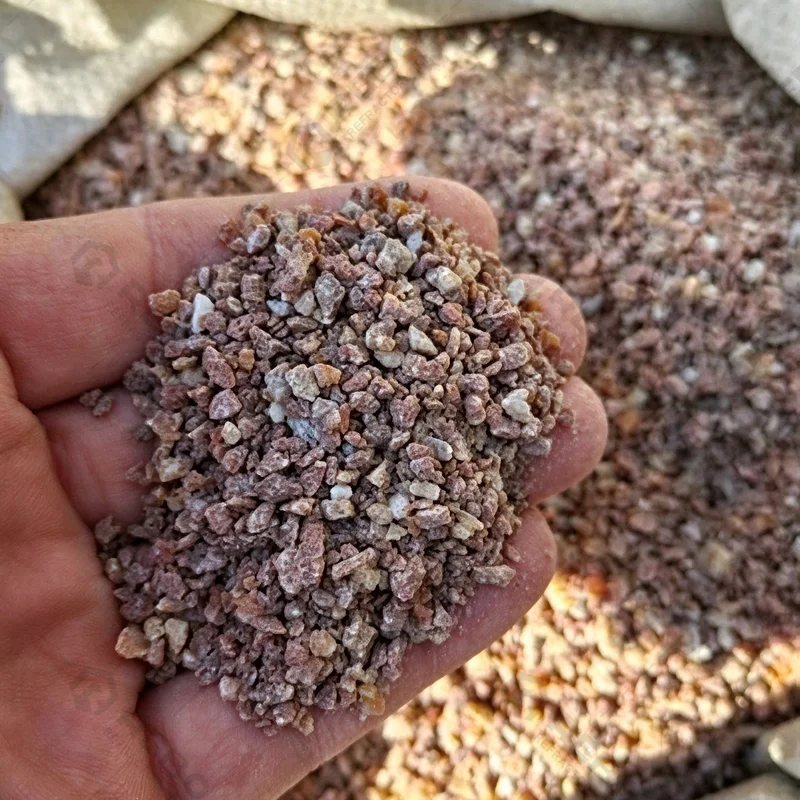
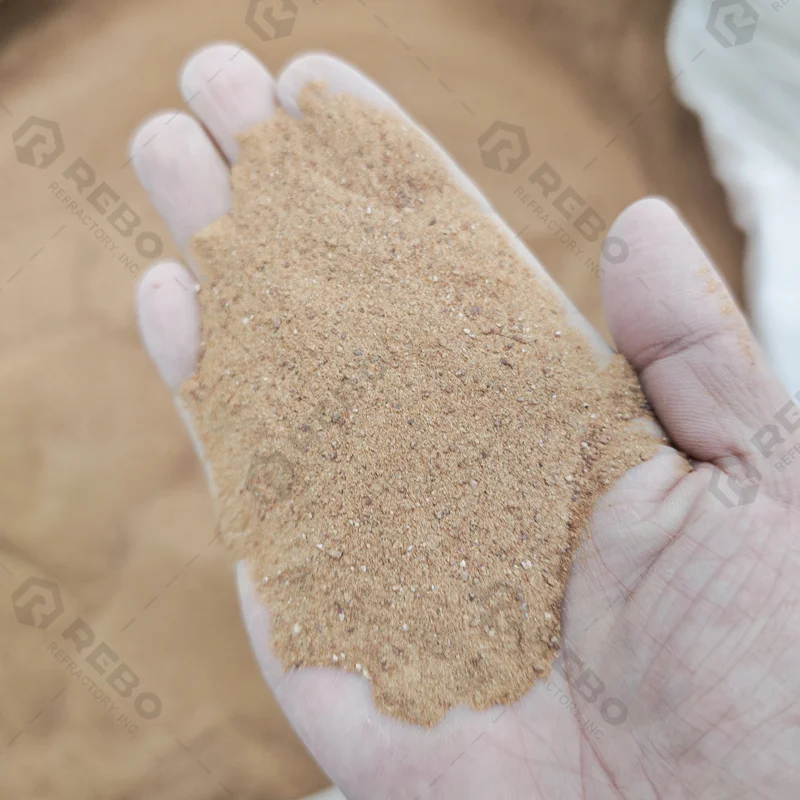
Different applications call for different forms of magnesia. Drawing on our extensive experience in the refractory industry, REBO supplies dead burnt magnesia in a range of sizes to match your application and industry. The two most common forms are 0-5 mm magnesia grain, ready for direct use and production of basic refractories; and 50 mm magnesia lump, which refractory manufacturers crush to required requirements. Here are comparison to help you better understand:
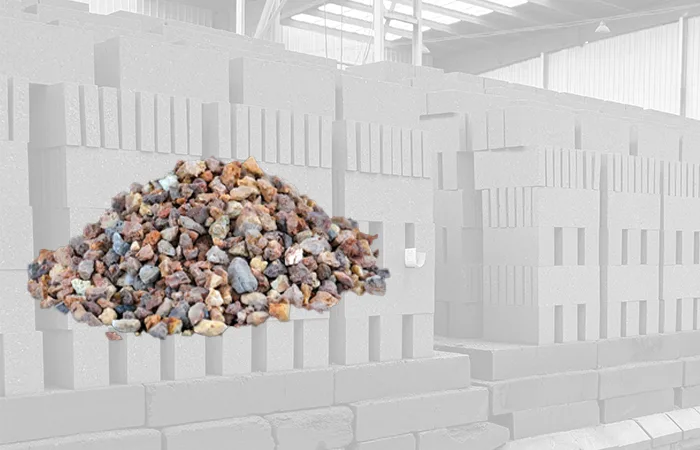
Size <50mm
Initial Shape After Factory
Use for Refractory Production
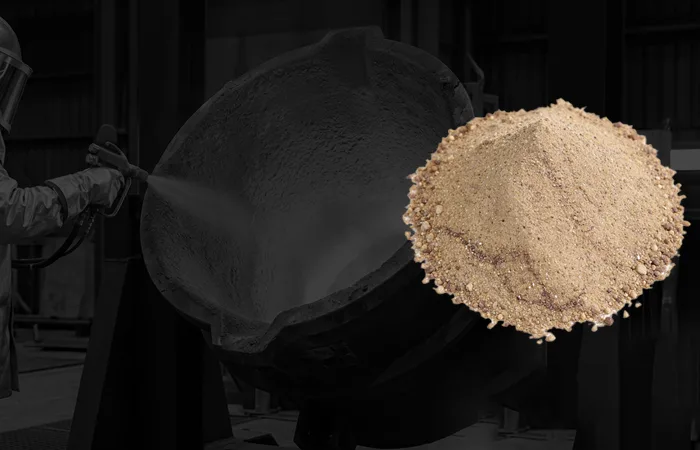
Size 0-5mm
After Crushing and Screening
Directly Use for Steel and Refractory Industry

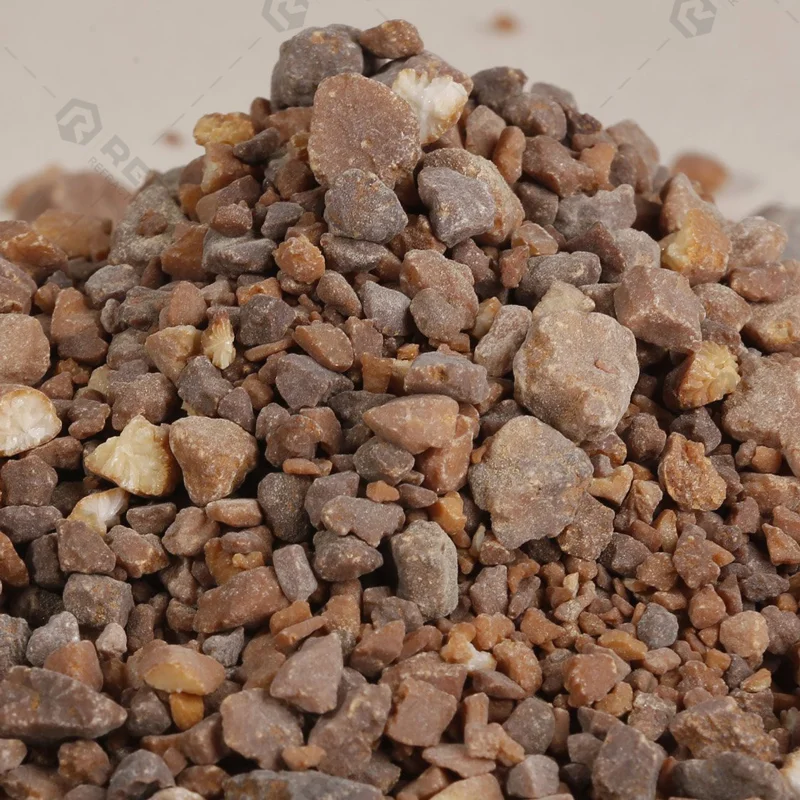

Another Upgraded Type – Fused Magnesia Large Crystal (FMLC)
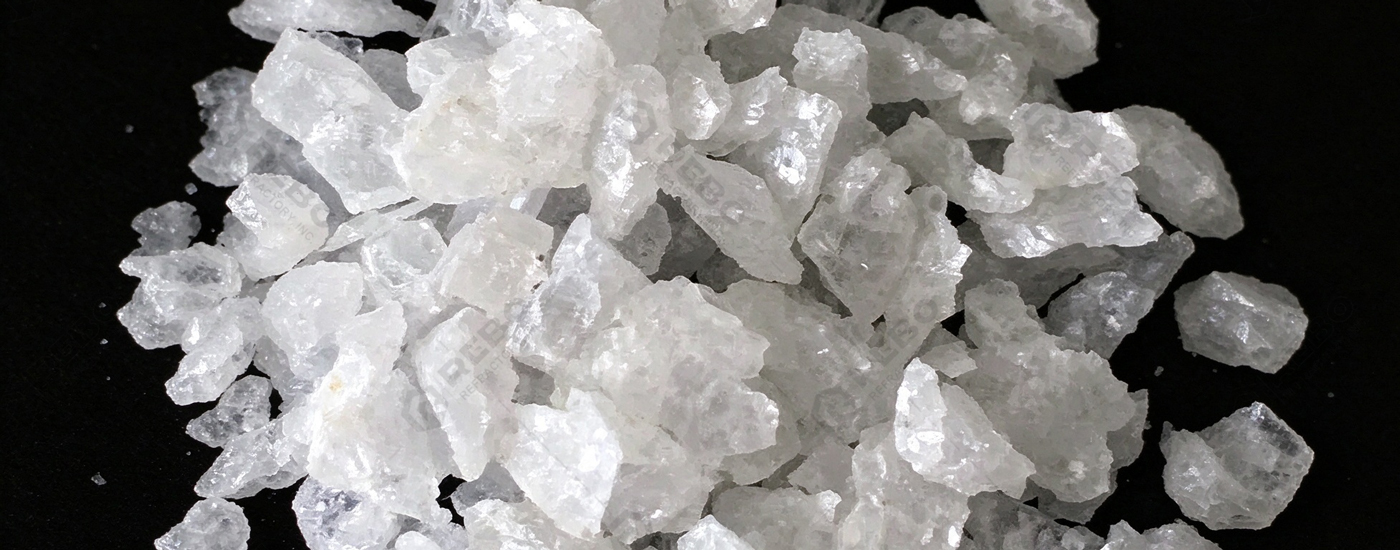
Another upgraded type of magnesia is to melt the MgO raw materials into a liquid state in an electric arc furnace at temperatures between 2800°C and 3000°C (5072°F–5432°F). Upon cooling, it forms large-volume, extremely dense fused magnesite crystals. This material boasts the highest purity of magnesium oxide—reaching 90% to 99%. Moreover, it consequently exhibits the greatest resistance to hydration and erosion. Due to this production process and level of quality, the fused magnesia price is slightly higher. Fused MgO product is tailored for steel mills and applications requiring extremely rigorous standards standards for refractory materials. Follow REBO Refractory on Pinterest for more refractory industry updates.
| Item | LOI, % | SiO₂, % | CaO, % | Fe₂O₃, % | Al₂O₃, % | MgO (min), % | Bulk Density (g/cm³) | Color |
| FMLC99 | 0.1 | 0.25 | 0.28 | 0.26 | 0.05 | 99 | 3.55 | White |
| FMLC98.5 | 0.11 | 0.39 | 0.54 | 0.38 | 0.06 | 98.5 | 3.5 | White |
| FMLC98 | 0.12 | 0.5 | 0.76 | 0.52 | 0.08 | 98 | 3.48 | White |
| FMLC97.5 | 0.15 | 0.58 | 1.01 | 0.6 | 0.1 | 97.5 | 3.42 | Brown |
| FMLC97A | 0.14 | 0.9 | 1.13 | 0.61 | 0.12 | 97 | 3.48 | White |
| FMLC97 | 0.15 | 0.9 | 1.2 | 0.42 | 0.1 | 97 | 3.35 | Brown |
Summary and Comparison of Various Types of Refractory Magnesia
| Type | Caustic Calcined Magnesia | Dead Burned Magnesia | Fused Magnesia |
| Processing Temperature | 700℃-1000℃ | 1500℃-2000℃ | > 2800℃ |
| Bulk Density | Not Compacted into Dense Form | 3.1~3.3 g/cm³ | > 3.4 g/cm³) |
| MgO Content | 85%-95% | 90%-97.5% | 97%-99% |
| Main Application | NOT Suitsble for Refractory Industry, used for chemical binders and construction materials. | Common Magnesia Bricks, magnesia-carbon bricks, castables | High-end Magnesia Bricks and Furnace Linings for Demanding Environments |
Applications of Dead Burned Magnesite
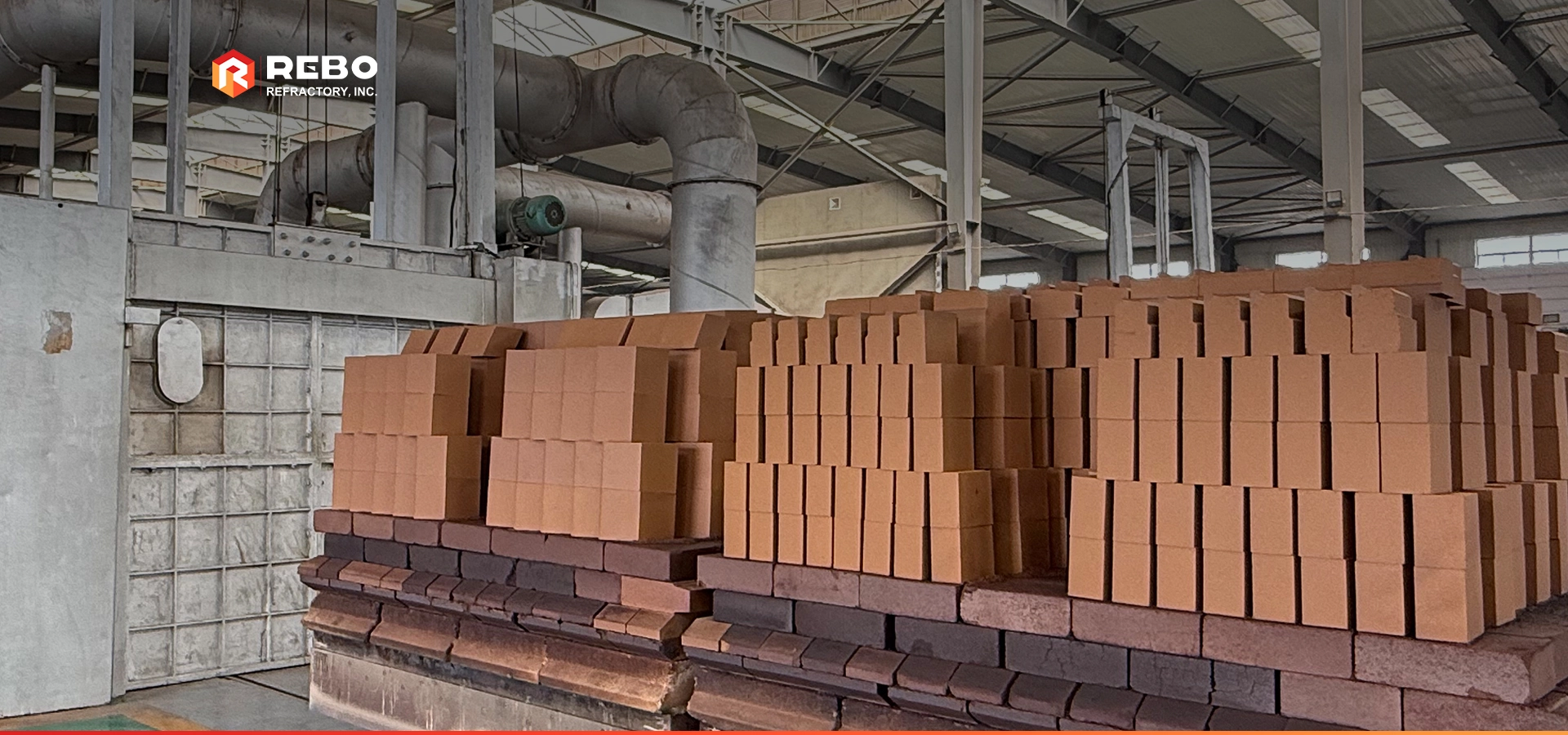

Production of Refractory Bricks
MgO Bricks: Used for regenerator chambers and the hearths of high-temperature heating furnaces.
Magnesia-Carbon Bricks: The most highly demanded type of basic refractory brick in iron and steel plants.
Magnesia-Spinel Bricks: Used in the transition zones of steel ladles and cement kilns.
Magnesia-Chrome Bricks (MgO-Cr₂O₃): Used in the most demanding areas of non-ferrous smelting and refining furnaces.
Pure Magnesia Bricks / Sintered Magnesia Bricks: Used for regenerator chambers and the hearths of high-temperature heating furnaces.
Production of Unshaped Refractories
Production of Unshaped Refractories
REBO dead burnt magnesite powder is also widely used in unshaped refractories, including dense castable, ramming mix, gunning mix and mortar. These high temperature materials are used to line furnaces, repair worn areas and seal joints. Because they can be applied on site, they are well suited to hot repairs and to furnaces with complex shapes.
For Steel Plants Consumable
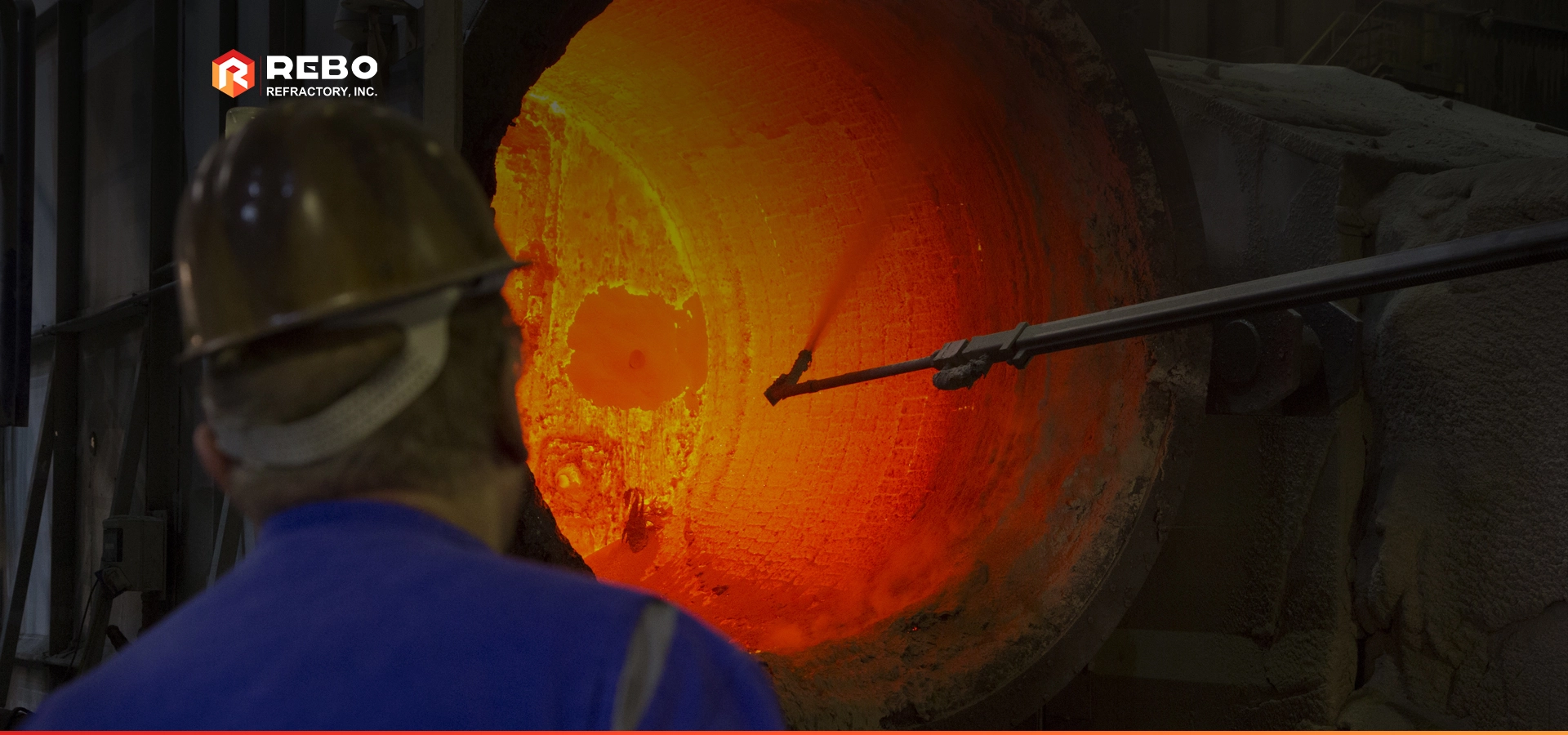
In steel plants, sintered magnesia is also used directly as a consumable. Examples include furnace-bottom gunning and fettling material for electric arc furnaces, and slag conditioner. It helps protect the furnace lining and extend its service life between relinings.
Recent Cases of REBO Exported Magnesite
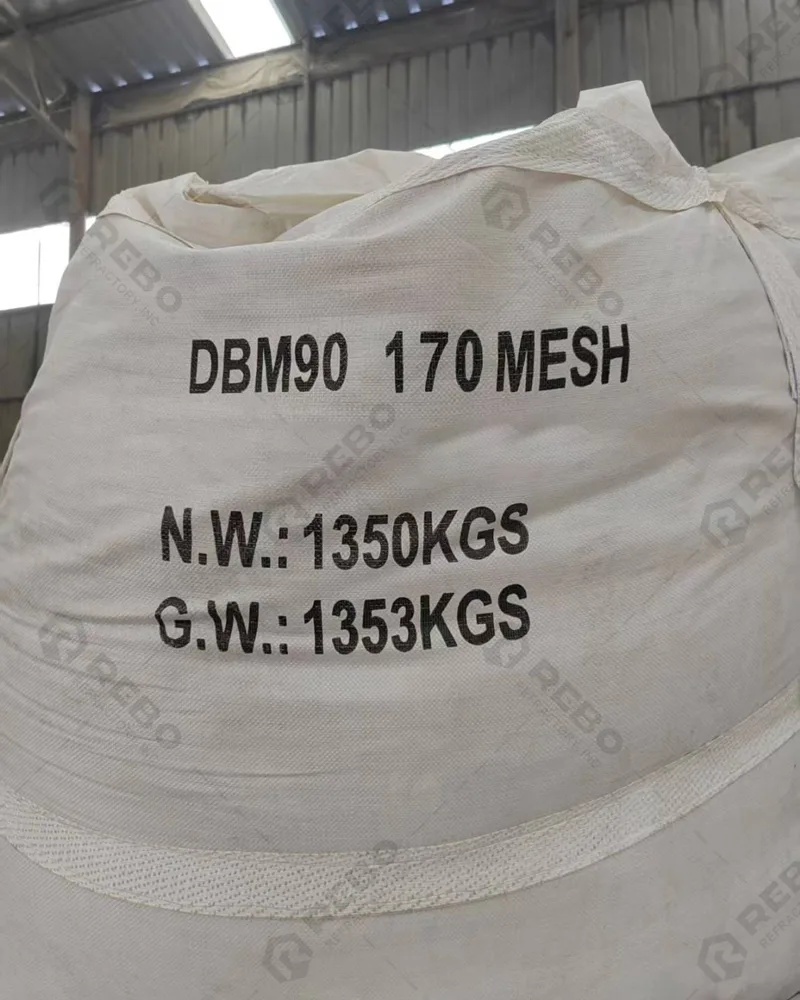
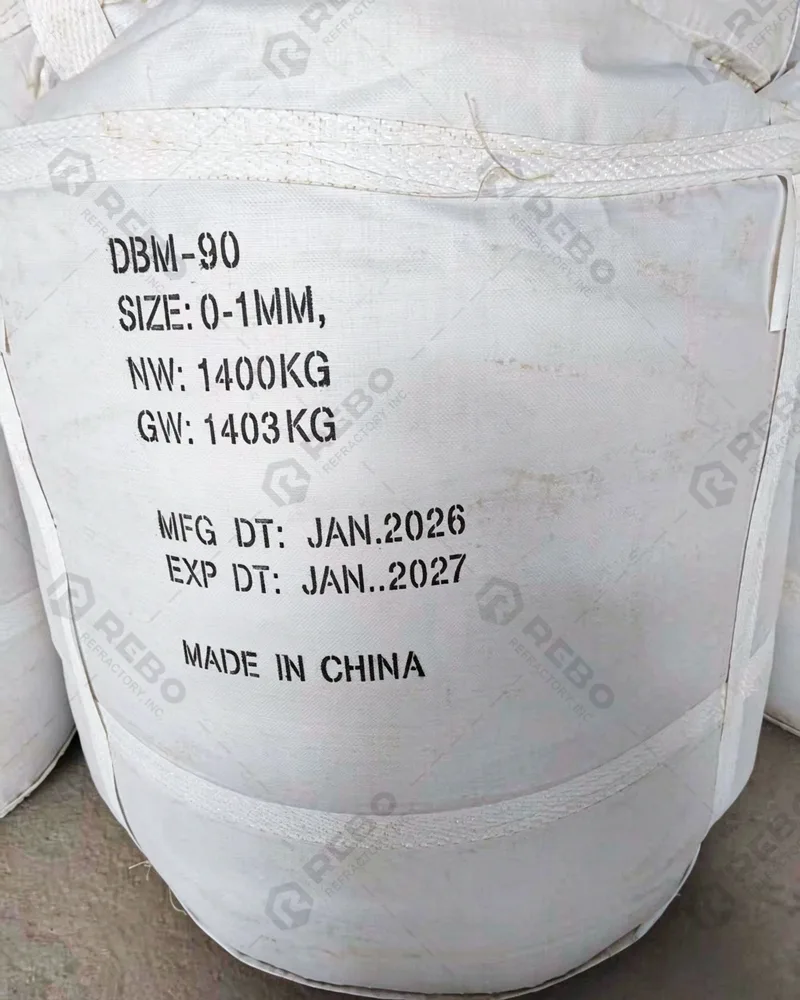
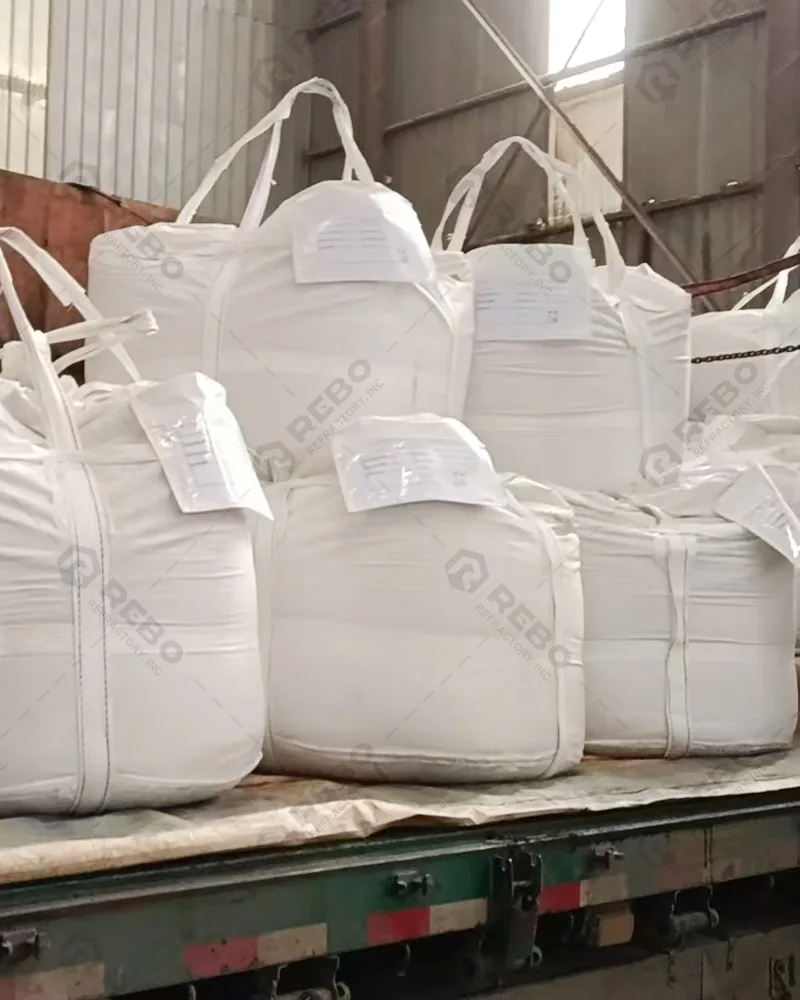
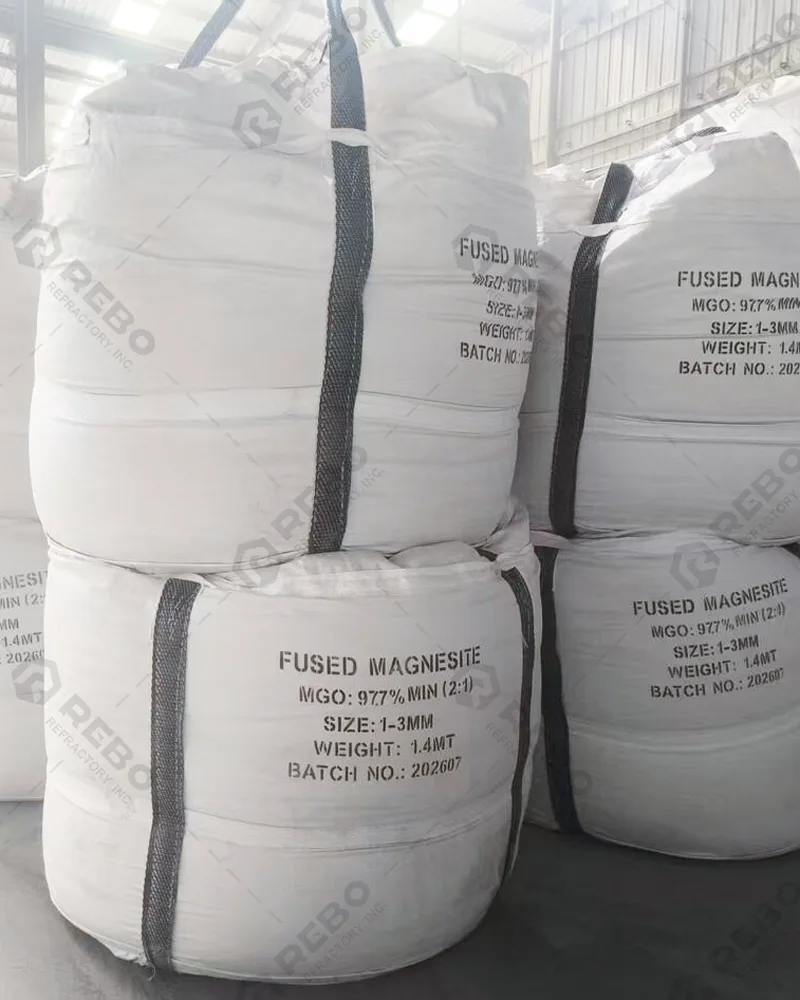
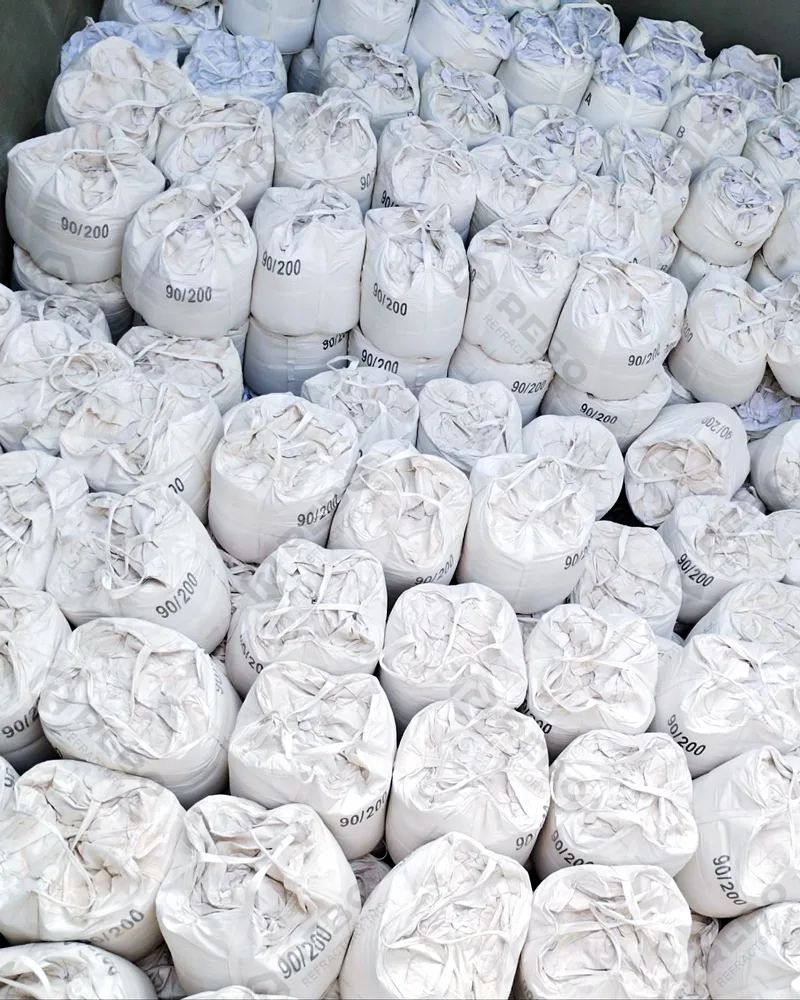
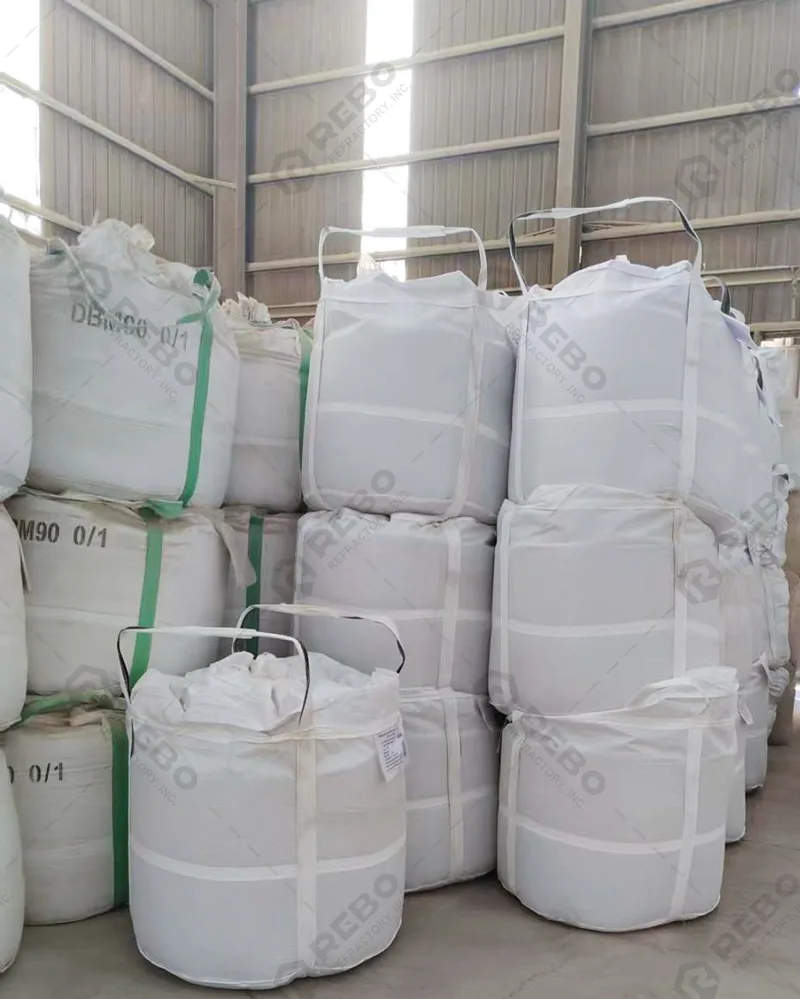
REBO Refractory is a factory with more than 20 years of experience in refractory materials. We have exported dead burnt magnesite to over 50 countries and regions, including recent deliveries to Turkey, Turkmenistan, Germany, Spain, Poland, Mongolia, etc…. Besides, REBO customers are mainly refractory manufacturers and steel plants, who rely on us for stable quality and dependable supply. Years of export experience also mean we are familiar with international packing, shipping and documentation requirements, so your order can be delivered smoothly to your destination.
Step into REBO Dead Burned Magnesia Factory
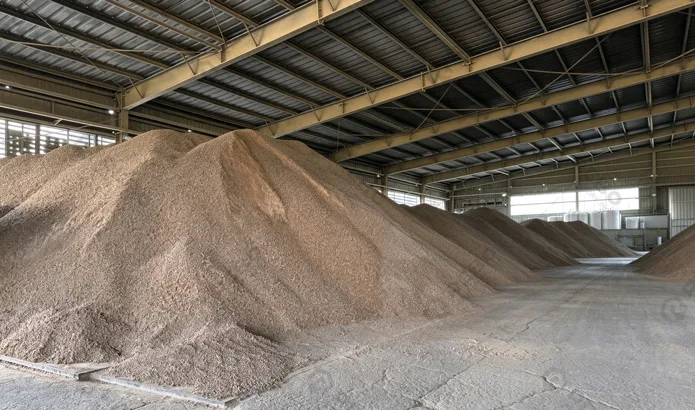
Magnesite Material Inspection and Pretreatment
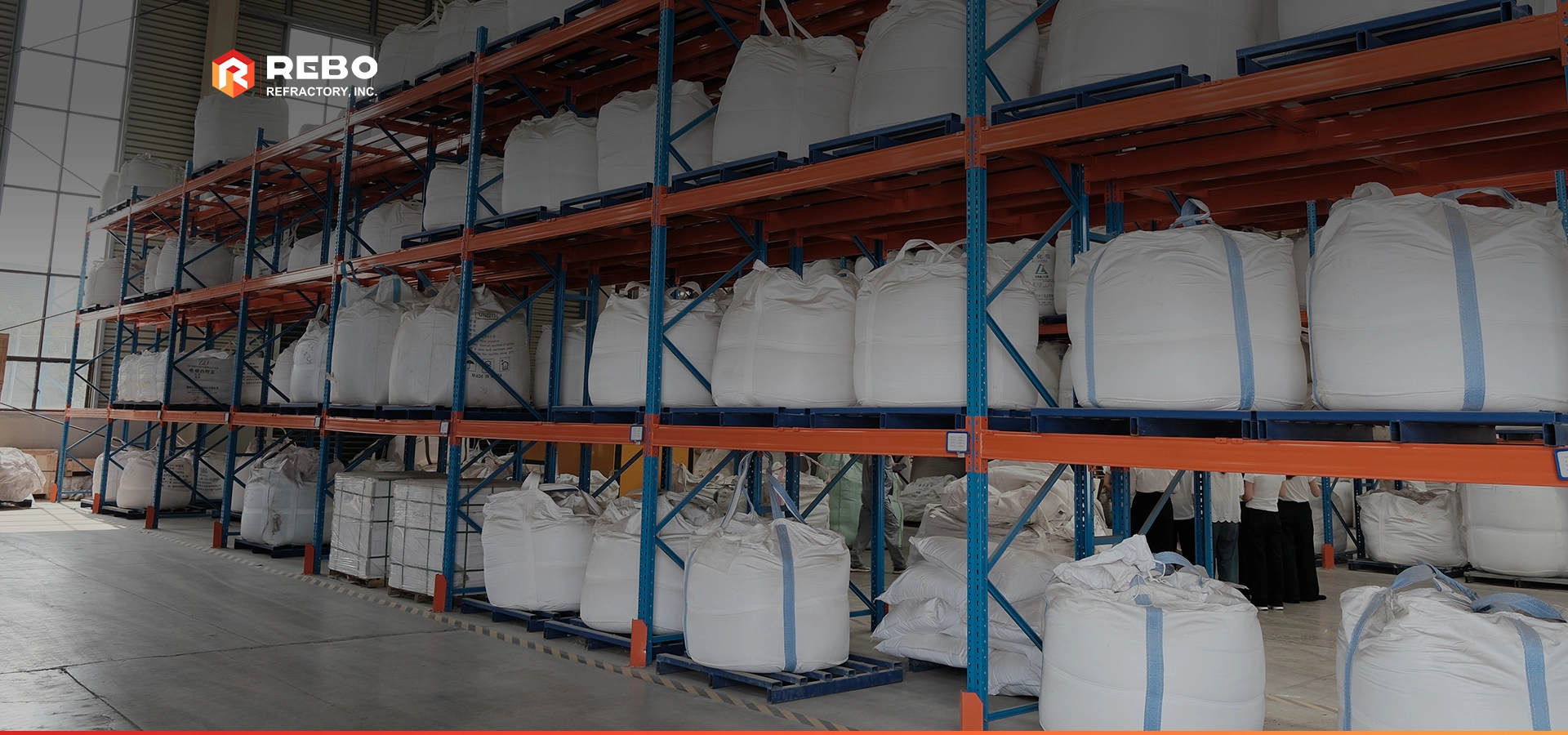
Every batch of raw material is inspected before it enters the factory. Only material that fully meets our requirements is accepted into the REBO raw material workshop, where it is graded and then placed in storage by grade. About REBO dead burnt magnesite workshop, warmly welcome to visit and witness the creation of high-quality products.
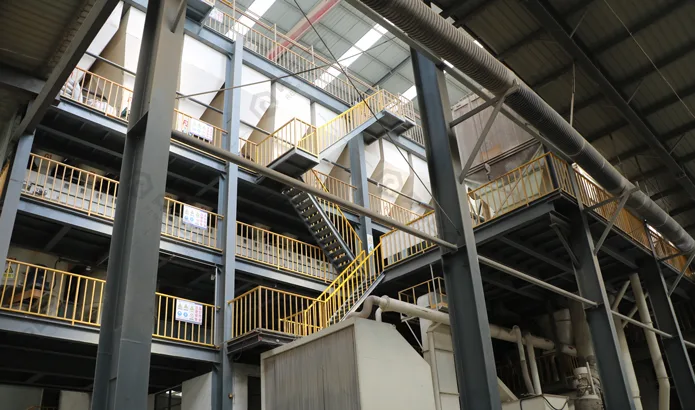
Production Process of Dead Burned Magnesite
The production lines support sintering at temperatures above 1,700 °C and electric fusion at above 2,600 °C. Complete crushing, screening and dust removal equipment allows us to supply magnesia in different sizes, from lump to graded grain. Thanks to advantages in raw materials and large-scale production, REBO is able to offer good dead burned magnesia prices.

Quality Inspection of Dead Burned Magnesite
REBO operates an independent laboratory that routinely tests MgO content, bulk density, loss on ignition (LOI) and particle size distribution, among other indicators. Each product goes through more than seven inspection steps. Retained samples are kept for every batch so that quality can be traced, and a factory test report is provided with each shipment.

Dead Burned Magnesite Global Certifications
REBO operates a complete quality management system, certified to ISO. Our products have been inspected by SGS on multiple occasions and have passed every time. We also hold CE certification, which supports access to the European market. Certificate copies and SGS inspection reports are available on request.