Specifications of Ceramic Fiber Module for Sale
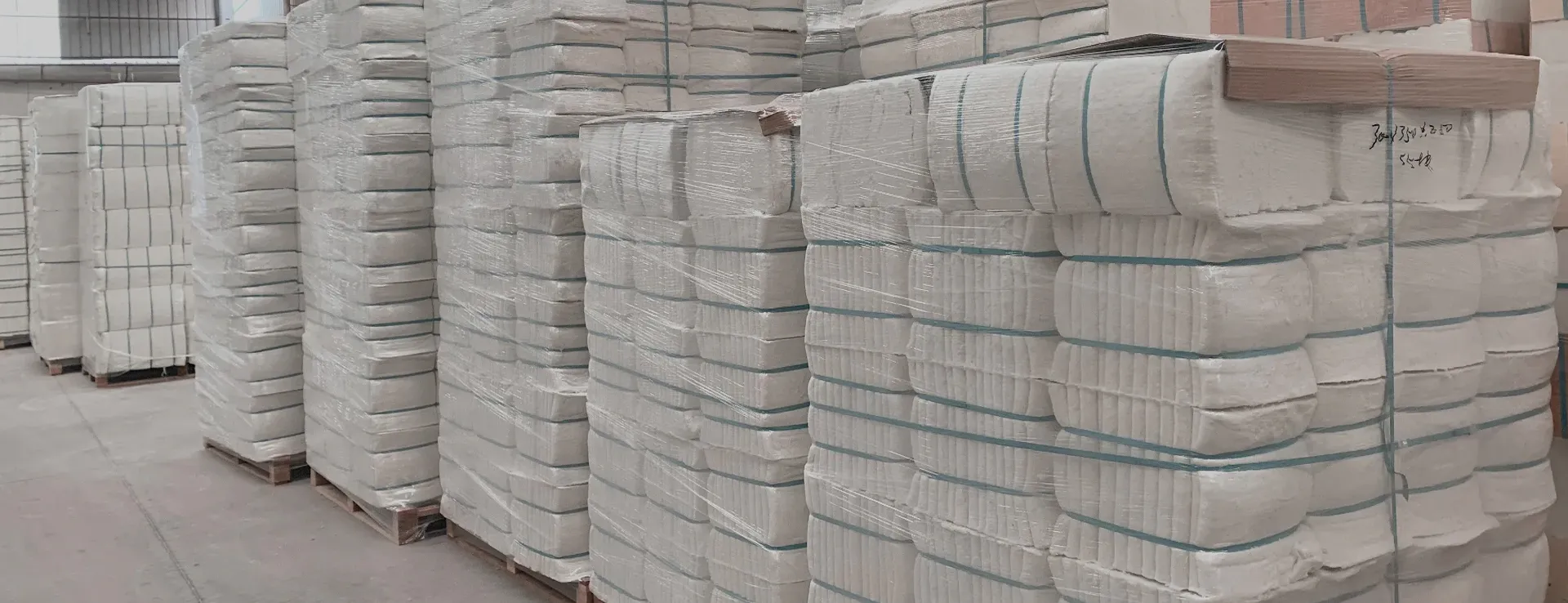
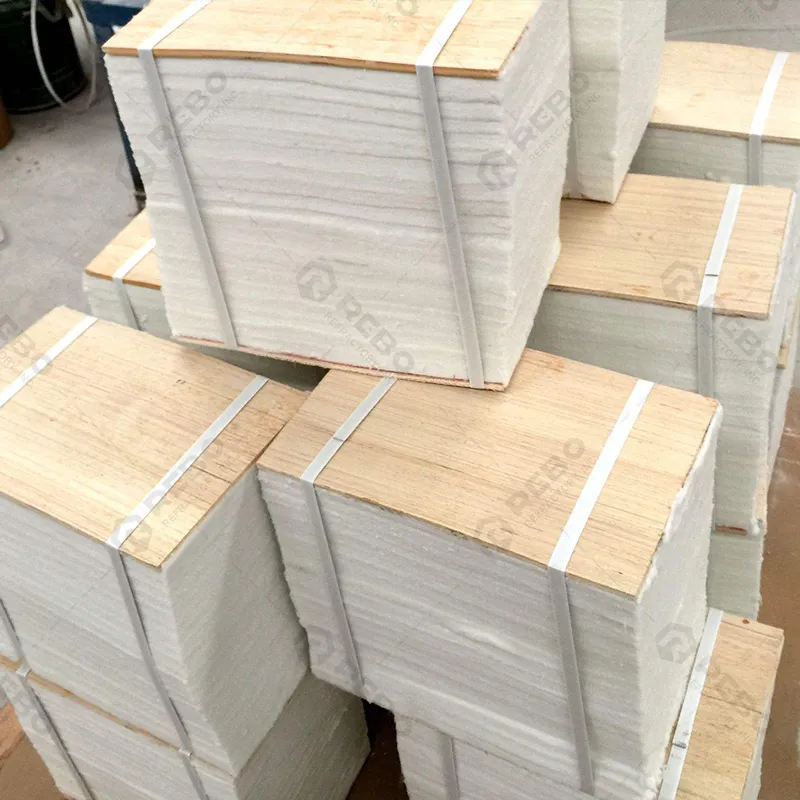
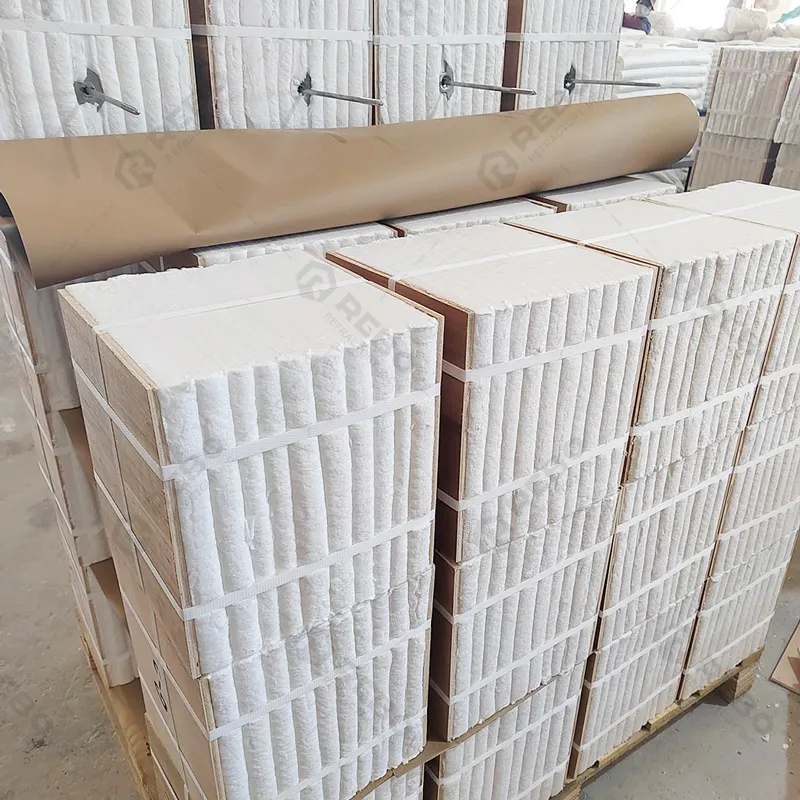
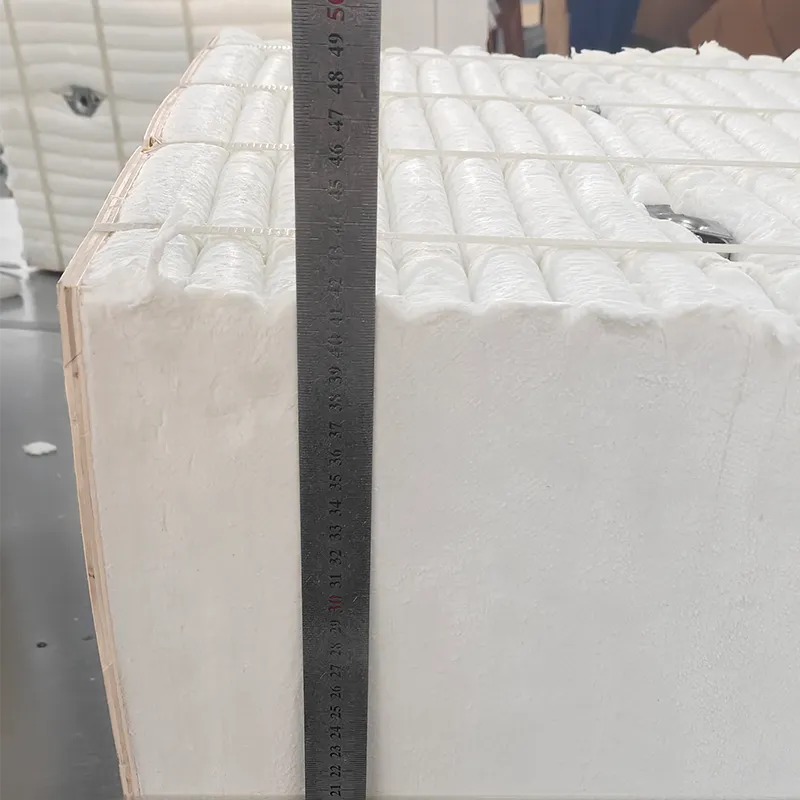
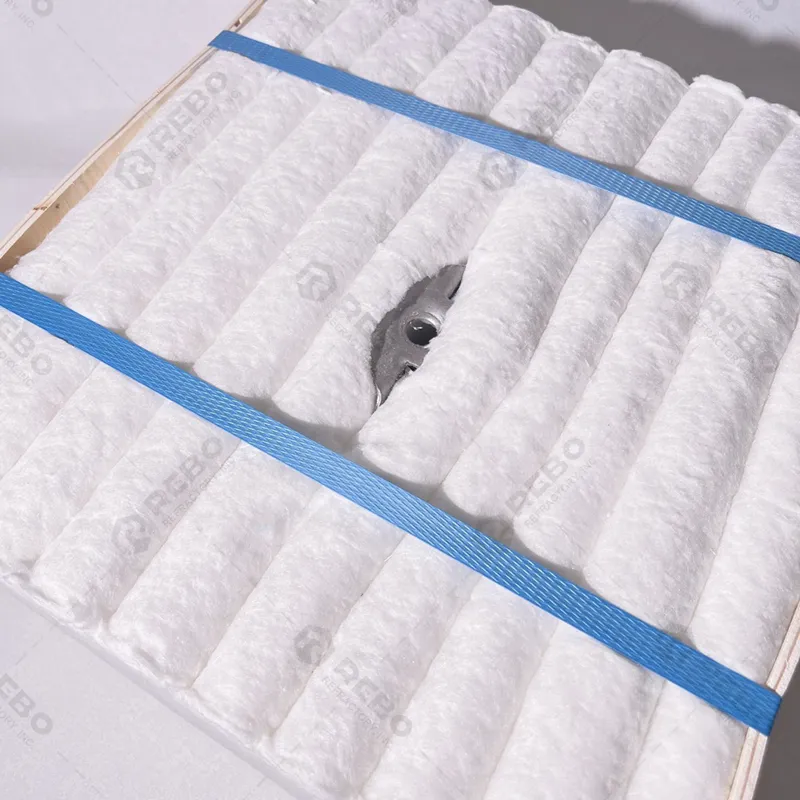
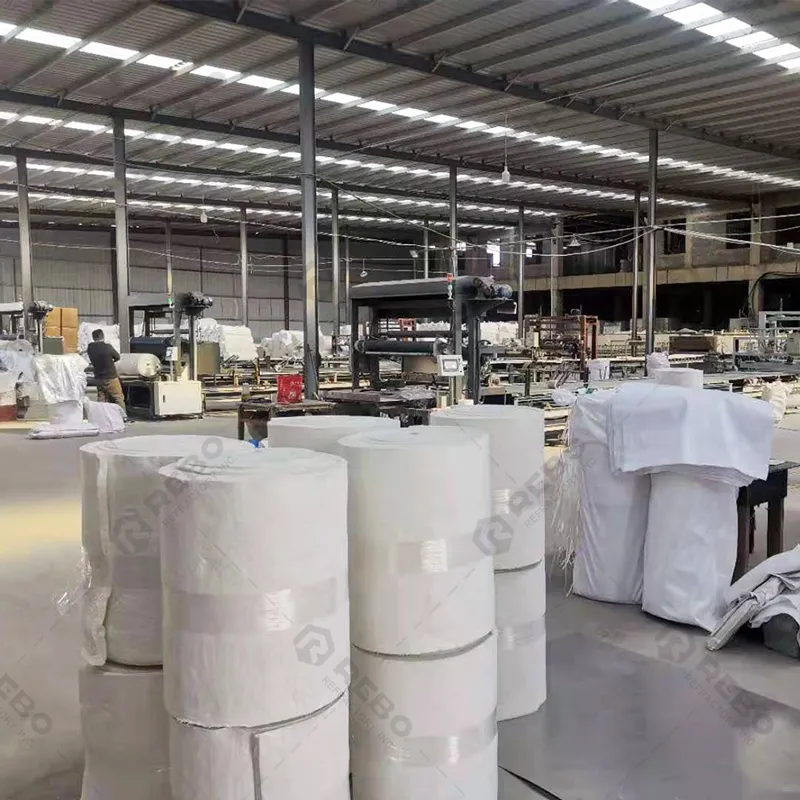
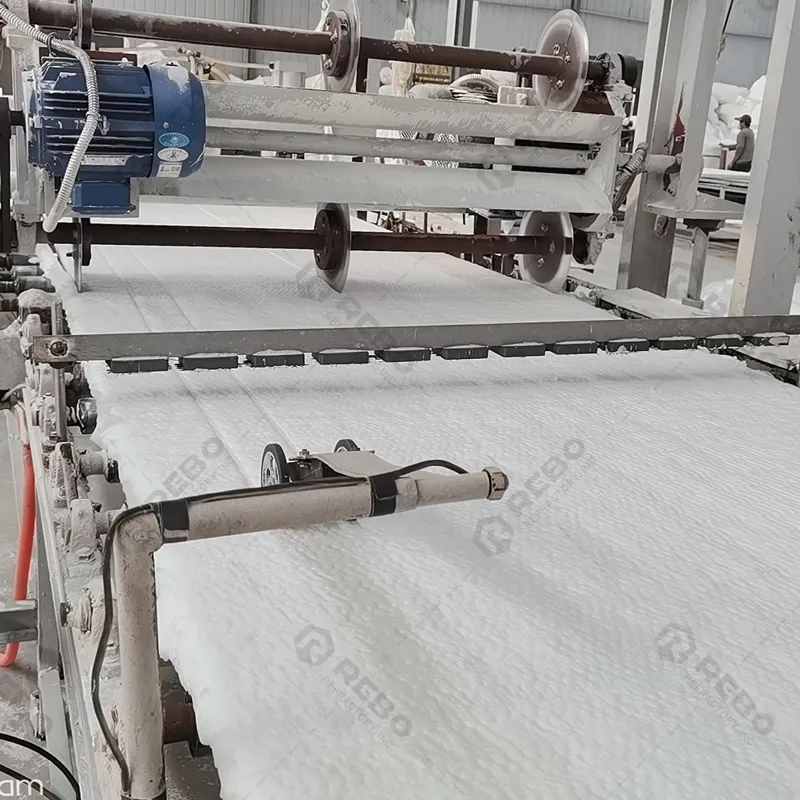
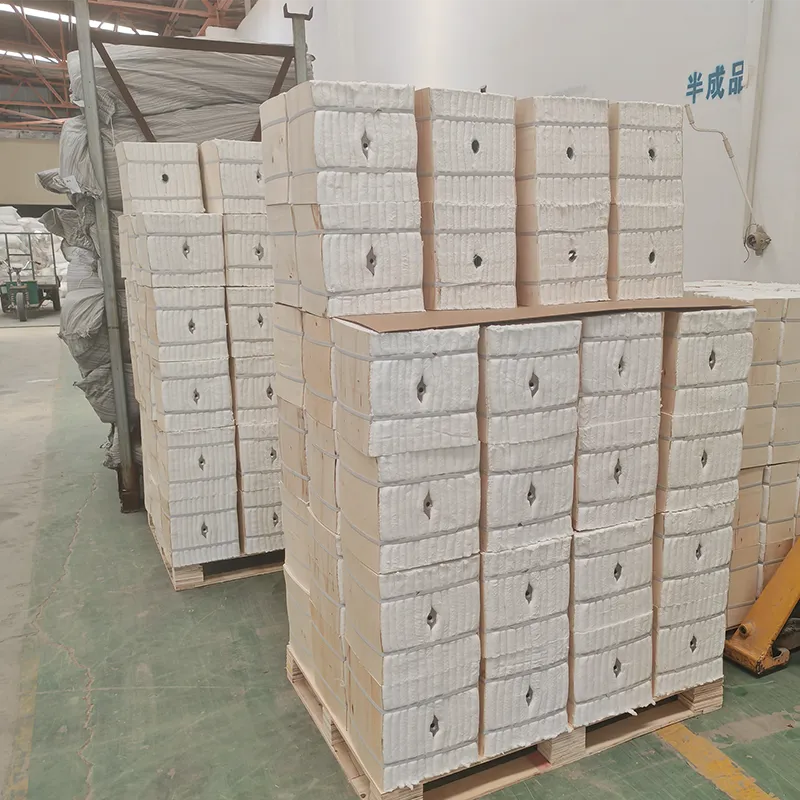
REBO ceramic fiber modules (CRF-MODULE) come in four standard temperature grades including STD, HP, HA, and HZ and are available in common technical designations such as CF 126/190 and CF Modul 143/190. Ceramic fiber modules are manufactured by continuously folding ceramic fiber rolls with integrated anchorage systems. The table below provides the complete technical specifications for each grade and configuration.
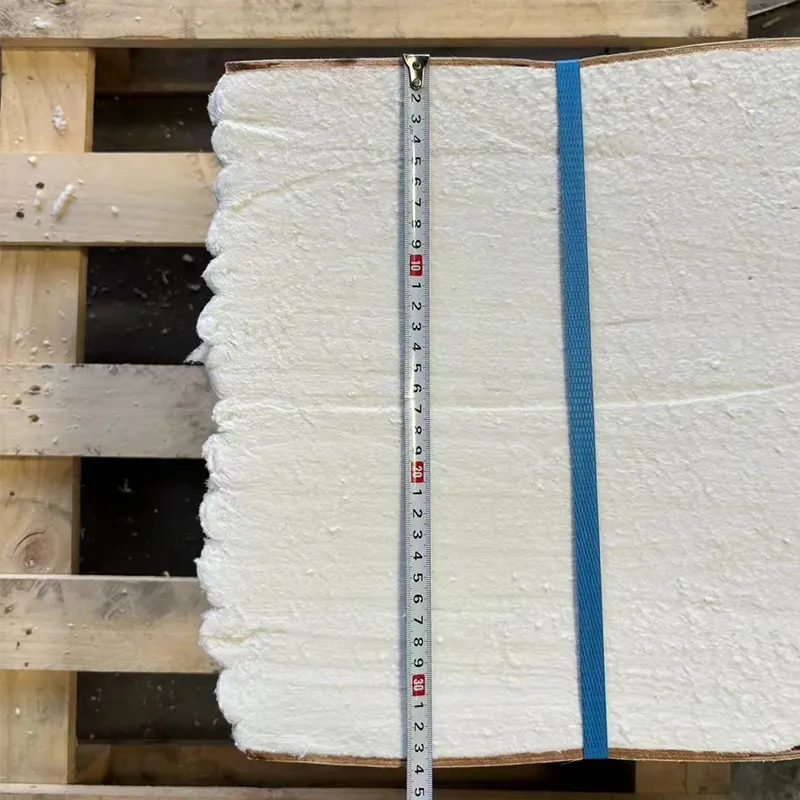
The popular size (with/b*length) is 300*300, 305*305mm (12×12″).
| Item/Grade | STD MODULE | HP MODULE | HA MODULE | HZ MODULE | |
|---|---|---|---|---|---|
| Classification Temperature/℃ | 1260 | 1260 | 1350 | 1430 | |
| Chemical Composition | ω (Al2O3) ≥/% | 43 | 44 | 52 | 35 |
| ω (SiO2) ≥/% | 54 | 55 | 47 | 49 | |
| ω (ZrO2) ≥/% | / | / | / | 15 | |
| Color | White | White | White | White | |
| Bulk Density (kg/m³) | 160-220 | 160-220 | 160-220 | 160-220 | |
| Permanent Linear Change ≤/% | 1000℃*24h 2.5 |
1100℃*24h 2.5 |
1200℃*24h 3.0 |
1350℃*24h 3.0 |
|
| Thermal Conductivity Coefficient/[W/(m·K)] | 400℃ | 0.1 | 0.1 | 0.1 | 0.1 |
| 600℃ | 0.18 | 0.17 | 0.16 | 0.15 | |
| 800℃ | 0.2 | 0.2 | 0.2 | 0.19 | |
| 1000℃ | 0.27 | 0.26 | 0.26 | 0.26 | |
Types of REBO Ceramic Fiber Modules
By Structure and Processing
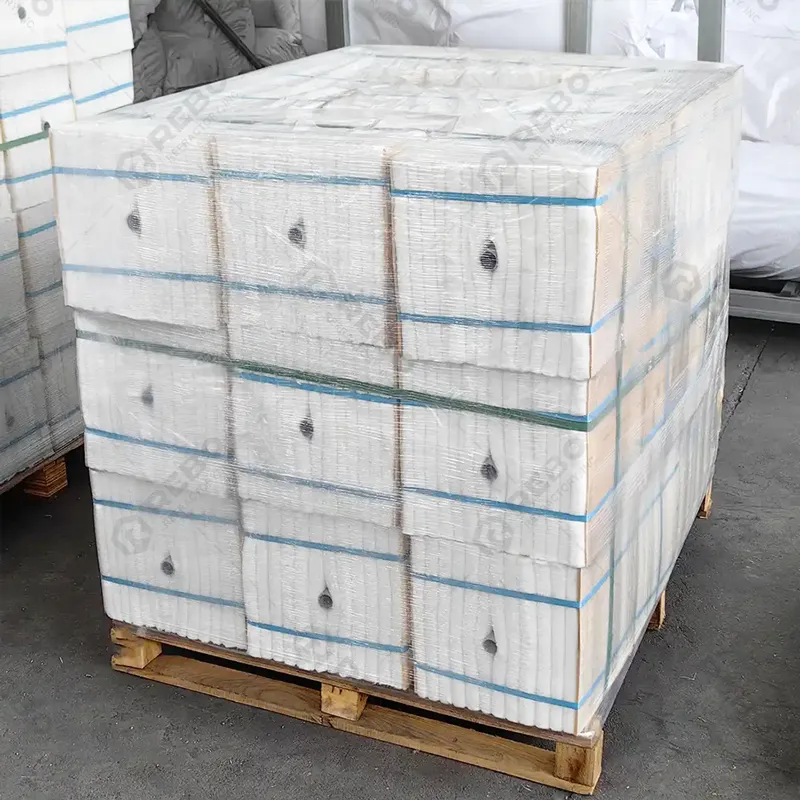
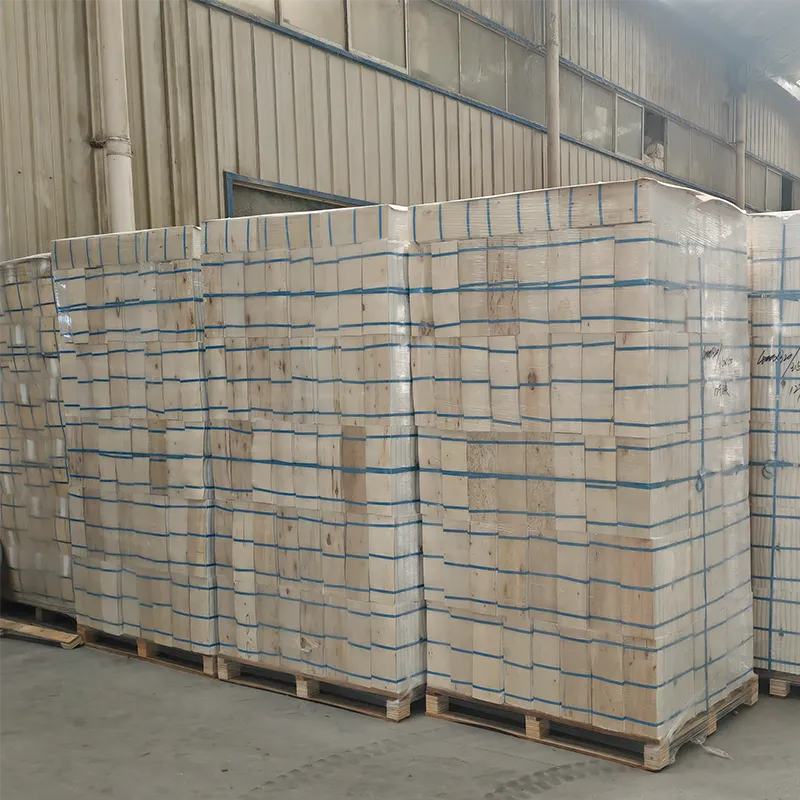
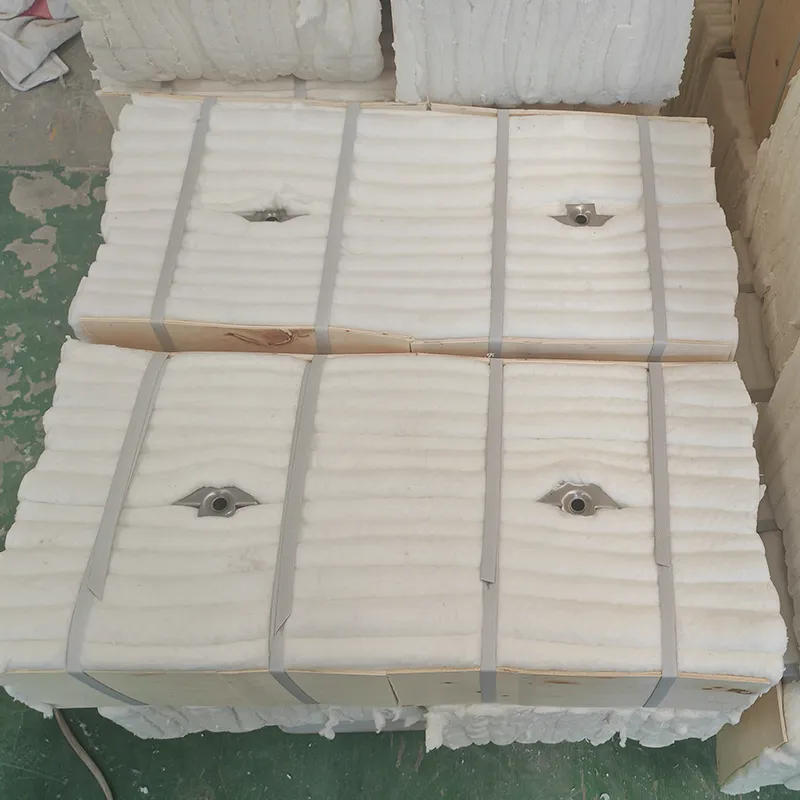
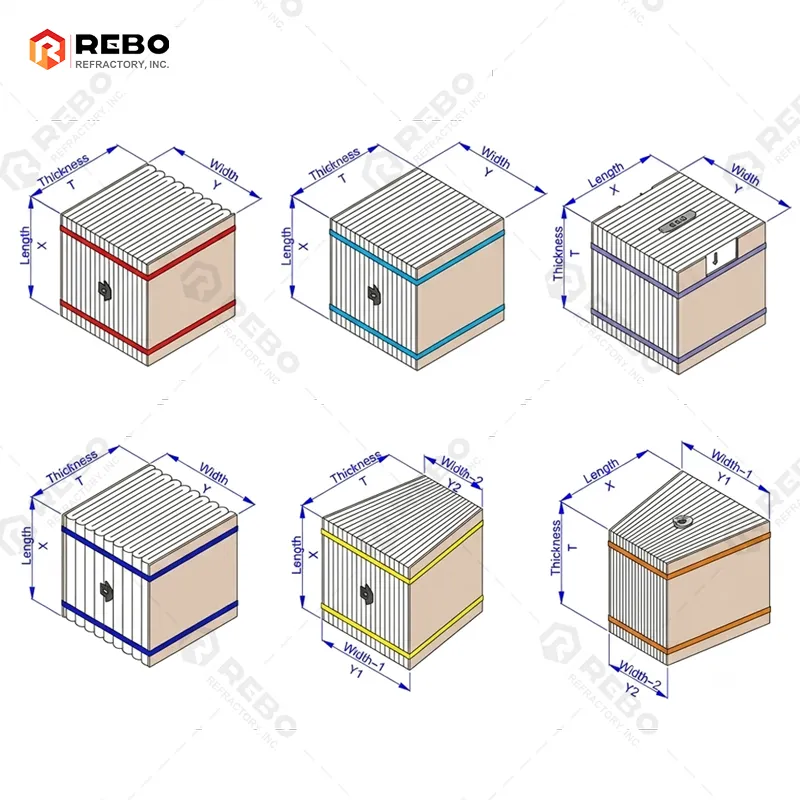
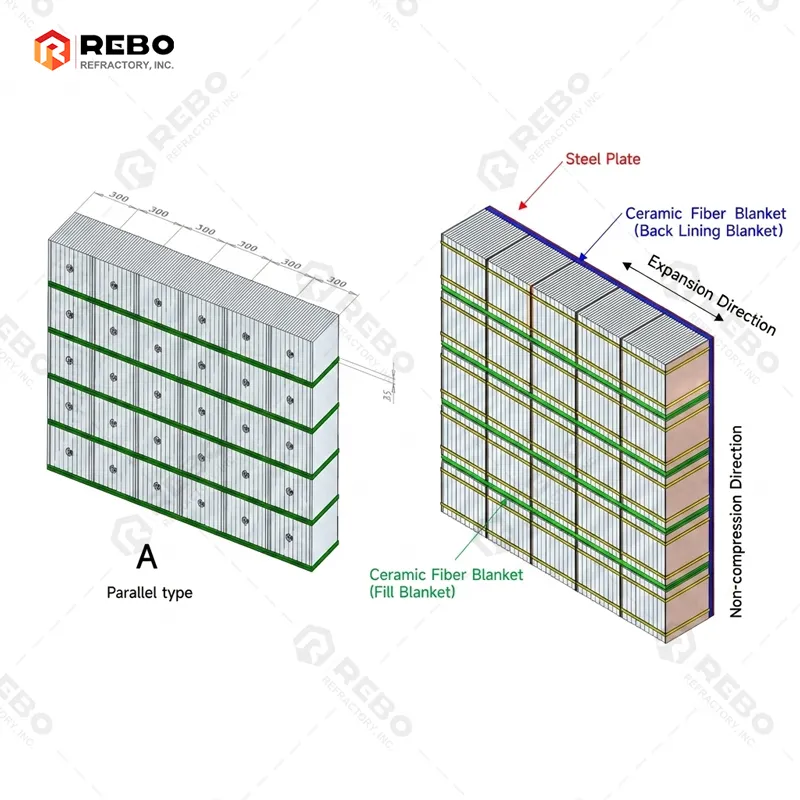
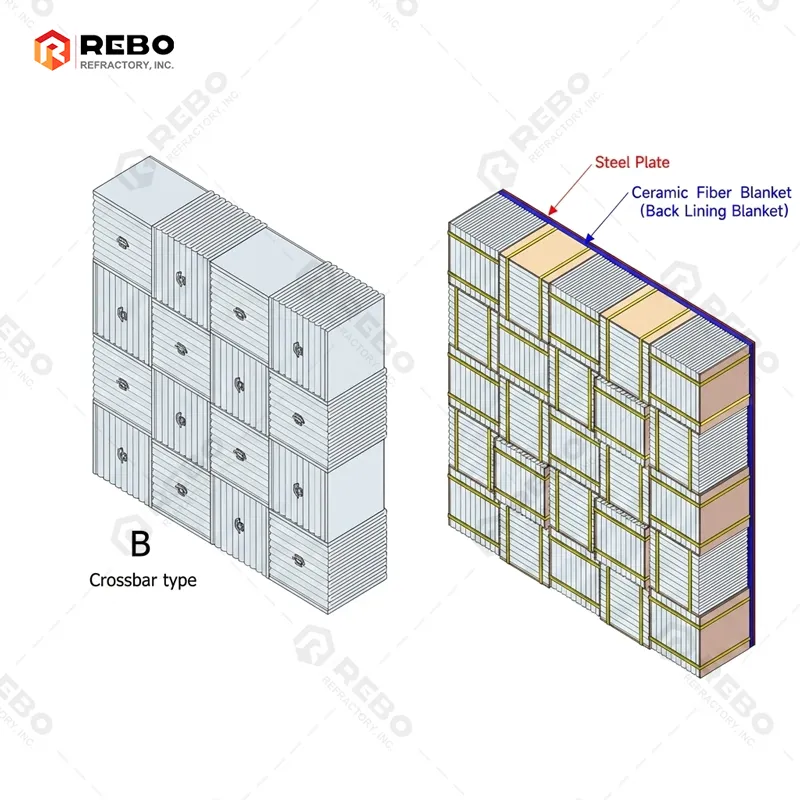
Classified by Internal Anchorage Structure
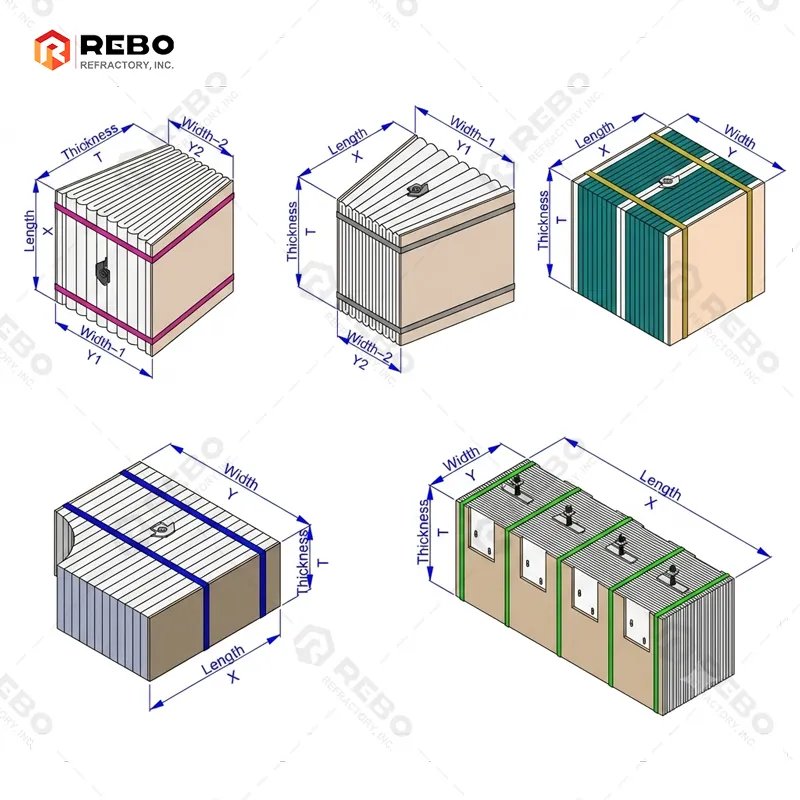
Advantages of REBO Ceramic Fiber Module
Ceramic fiber module price depends on the grade, density, size, and order quantity. HZ module with higher zirconia content carries a higher price than STD and HP grades. Larger orders receive better pricing.
REBO, as ceramic fiber module manufacturer, accepts sample orders for quality evaluation before bulk purchase. Minimum order quantity for bulk supply is negotiable based on project requirements. Contact the sales team for a detailed quotation and lead time.
Withstands 1260–1430°C; stable performance without deformation across different grades.
Low Thermal Conductivity
As low as 0.1 W/(m·K) at 400°C. It minimizes heat loss and energy consumption.
Thermal Shock Resistance
Handles repeated heating and cooling cycles without cracking or structural failure.
Direct anchoring to furnace shell; no complex cutting or layering required.
Lightweight Structure
Significantly lighter than brick or castable lining. It reduces structural load.
Long Service Life
Resists shrinkage and erosion. It maintains shape and density over long-term use.

Cost-Effective Alternatives to Other Modules
Looking for high-performance, cost-effective equivalents to Tier-1 global brands? REBO supplies fully customizable, high-density STD, HP, HA, and HZ ceramic fiber modules with integrated anchoring systems. Match your existing brand specification below and get a factory-direct quote today!
| REBO Products | Temperature Rating | Equivalent to International Brand Line | Brand Material Grade | Key Replacement Advantage |
|---|---|---|---|---|
| REBO STD/HP Module | 1260°C (2300°F) | Morgan Pyro-Bloc (Monolithic Type) |
R Grade (Kaowool) | 30–45% cost reduction with identical thermal insulation & density |
| REBO HZ Module | 1430°C (2600°F) | Morgan Pyro-Bloc (Monolithic Type) |
ZR Grade (Cerachem) | High-zirconia formula with less than 2% shrinkage at high temps |
| REBO HP Module | 1260°C (2300°F) | Unifrax Anchor-Loc (Folded/Z-Block Type) |
HP Grade | 100% Fit with existing anchor grids, zero furnace lining redesign needed |
| REBO HZ Module | 1430°C (2600°F) | Unifrax Anchor-Loc (Folded/Z-Block Type) |
ZR Grade | Enhanced thermal stability with custom density (190–240 kg/m³) |
| REBO HZ Module | 1430°C (2600°F) | Nutec MaxBlock (Folded Type) |
Maxwool 2600 | Direct drop-in replacement with faster factory lead times (7–10 Days) |
Ceramic Fiber Module Across Various Industries
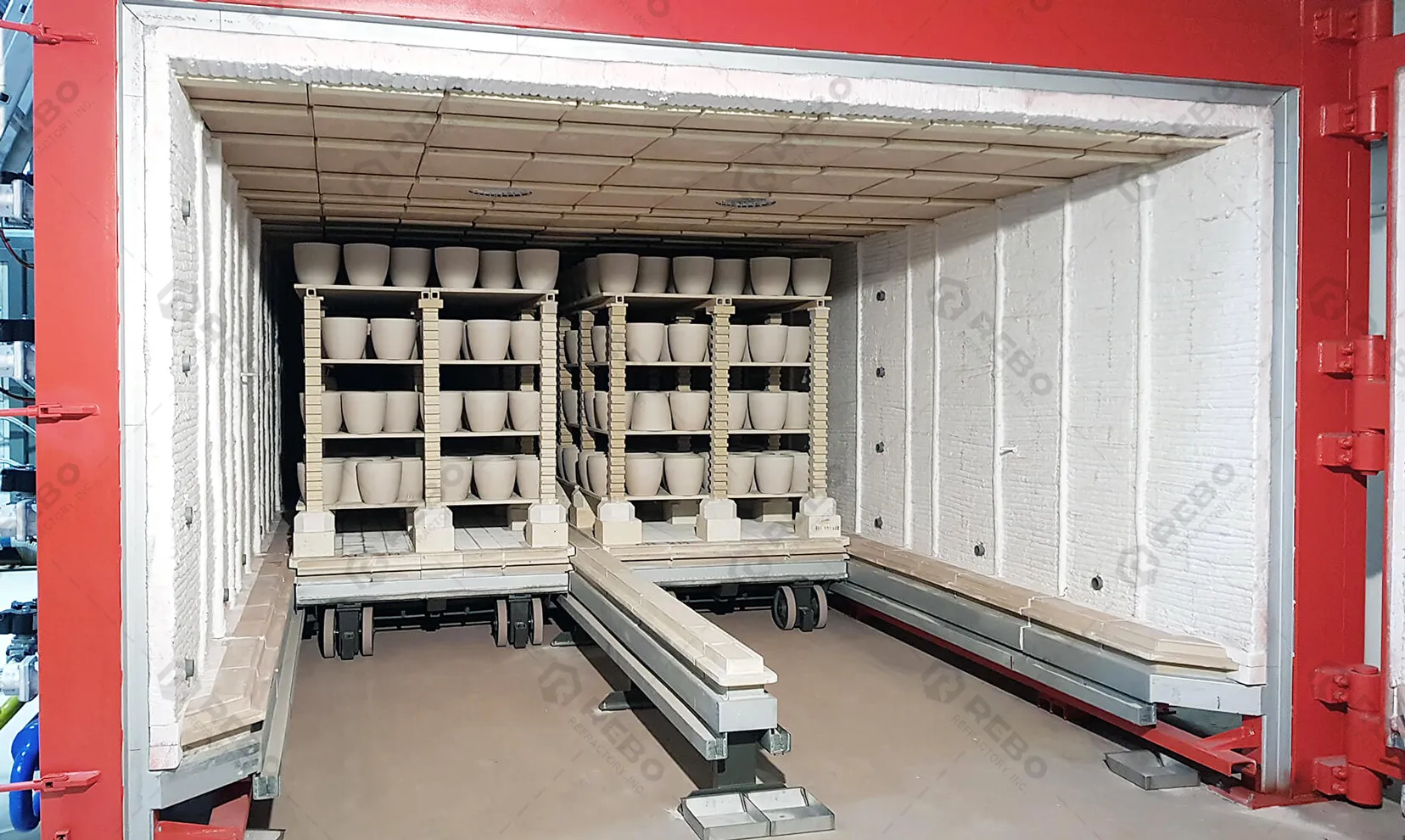
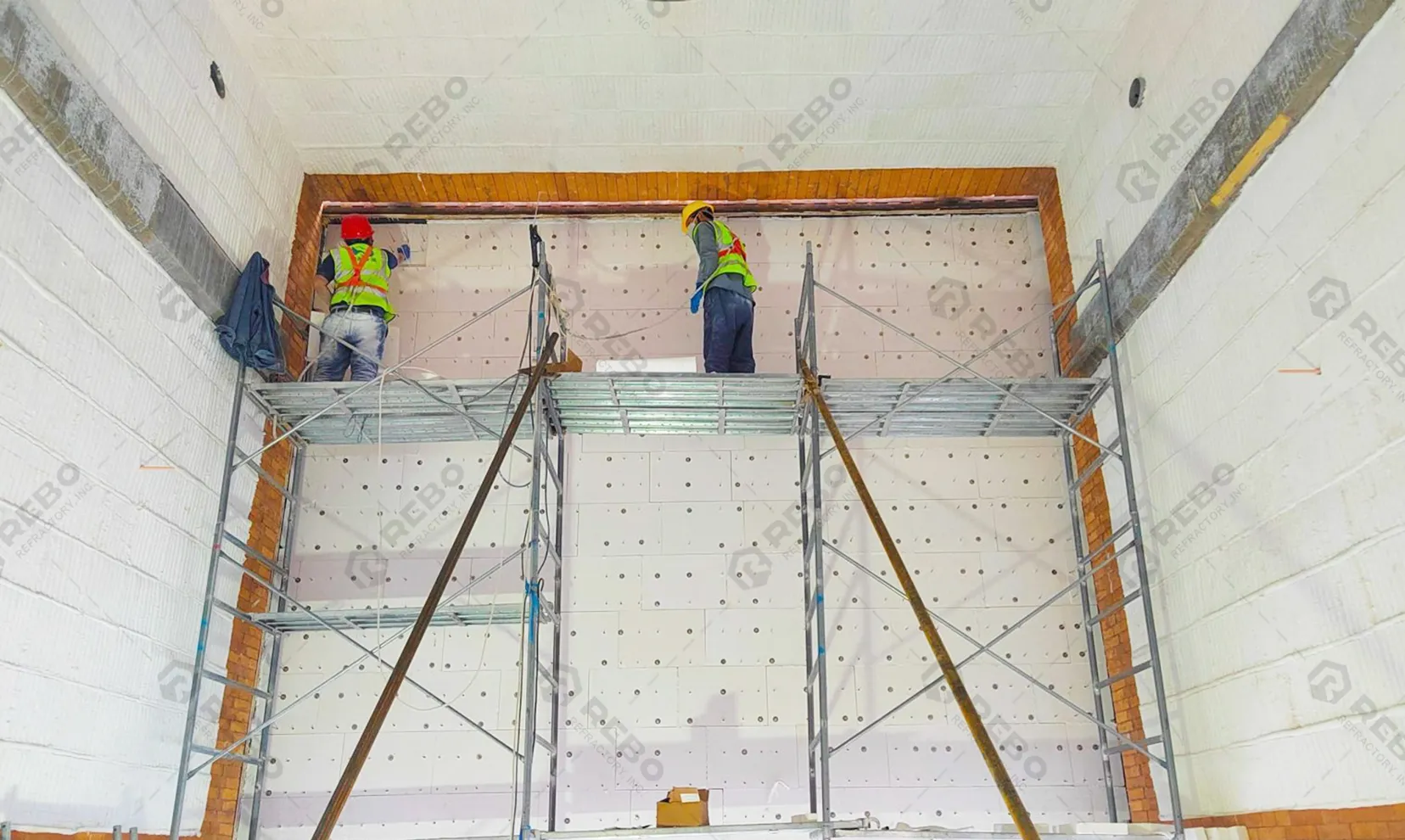
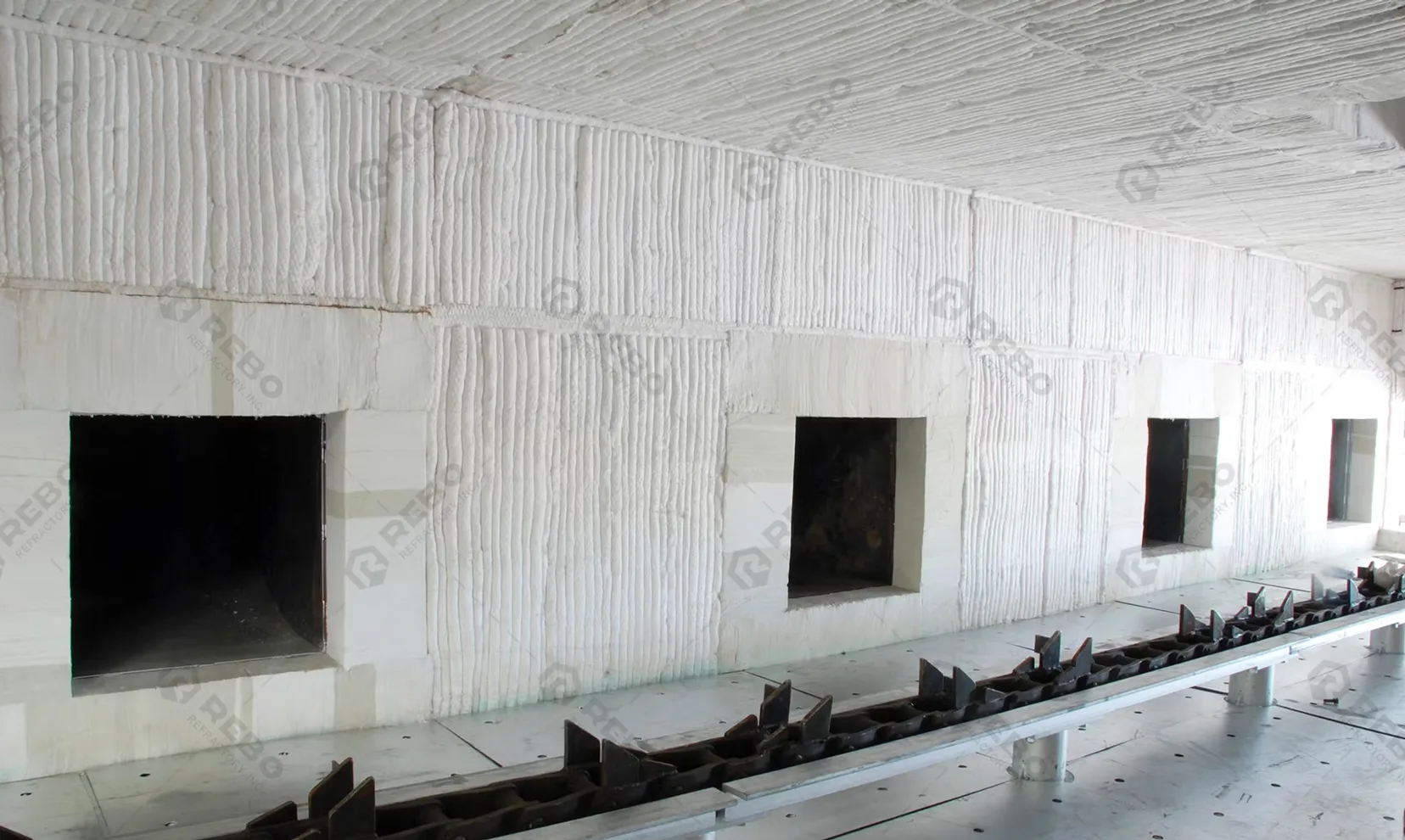
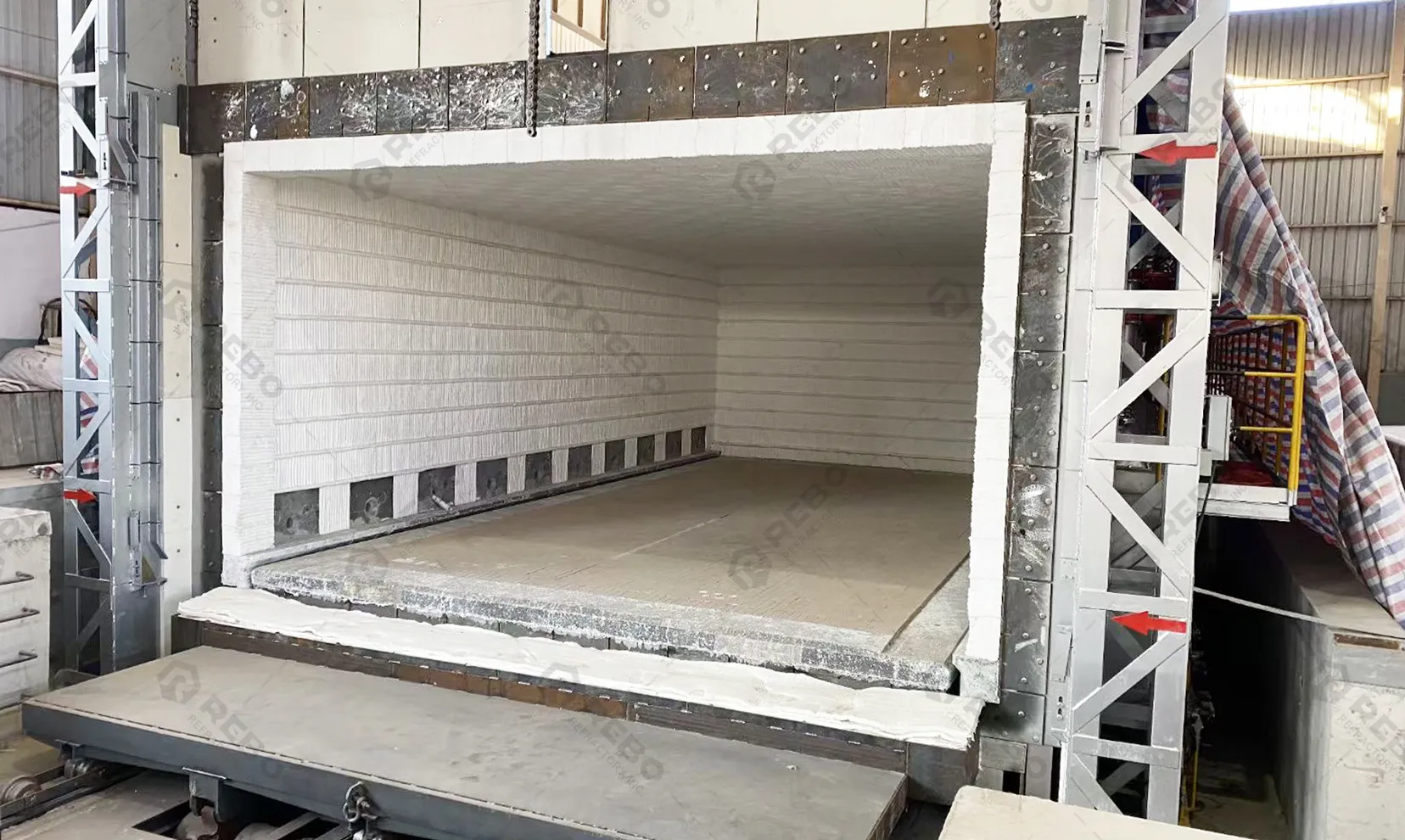
From steel reheat furnaces in Southeast Asia to petrochemical reactors in the Middle East, and from cement kilns in Africa to glass melting furnaces in Europe, REBO ceramic fiber modules have been installed in some of the world’s most demanding high-temperature environments. What sets REBO apart is not just the module itself it is the on-site installation support our team brings to every project. Our technical engineers work directly alongside customer maintenance crews, ensuring correct anchoring spacing, proper compression fitting, and seamless joint alignment from the first row to the last. The result speaks for itself.
A steel mill operator in Mexico said: “The modules held up through three full heating cycles without a single joint failure better than anything we had used before.” REBO delivers the product, the installation expertise, and the after-service follow-up that global industrial operators have come to rely on. That is exactly why our customers come back.
Where Ceramic Fiber Modules Deliver Their Best Performance
| Target Industry | Key Application Areas | Complementary Products |
|---|---|---|
| Steel & Metallurgy (Steel Mills, Copper/Aluminum Smelters) | Reheating furnaces, annealing furnaces, converter flues & roof covers | Ceramic Fiber Blankets, SS310 Anchors, Fiber Ropes |
| Petrochemical & Energy (Refineries, Boilers, Fireproofing) | Cracking furnaces, reformer walls, waste heat boilers & fire barriers | HZ Modules, Fiber Paper, Protective Coatings |
| Ceramics & Brick Kilns (Brick & Tile Plants, Pottery) | Tunnel kilns, shuttle kilns, kiln roofs & wall linings | Z-Block Modules, Insulating Firebricks, High-Temp Glue |
| Furnace Manufacturers (Muffle & Box Furnaces, Industrial Oven OEMs) | Laboratory furnaces, box furnace linings & burner port tiles | Monolithic Modules, Fiber Boards, Vacuum-Formed Shapes |
| Specialty Insulation (Irrigation Equipment, Thermal Systems) | Pipe insulation, valve heat shields, freeze protection covers | Fiber Jackets, Fiber Paper, Stainless Steel Clamps |
| R&D & Distribution (Research Labs, Insulation Traders) | Experimental high-heat testing, standard warehouse stock | STD/HP/HA/HZ Modules, Full Anchor Hardware Kits |
Core Manufacturing Advantages & Customer Value


Certifications and Quality Control
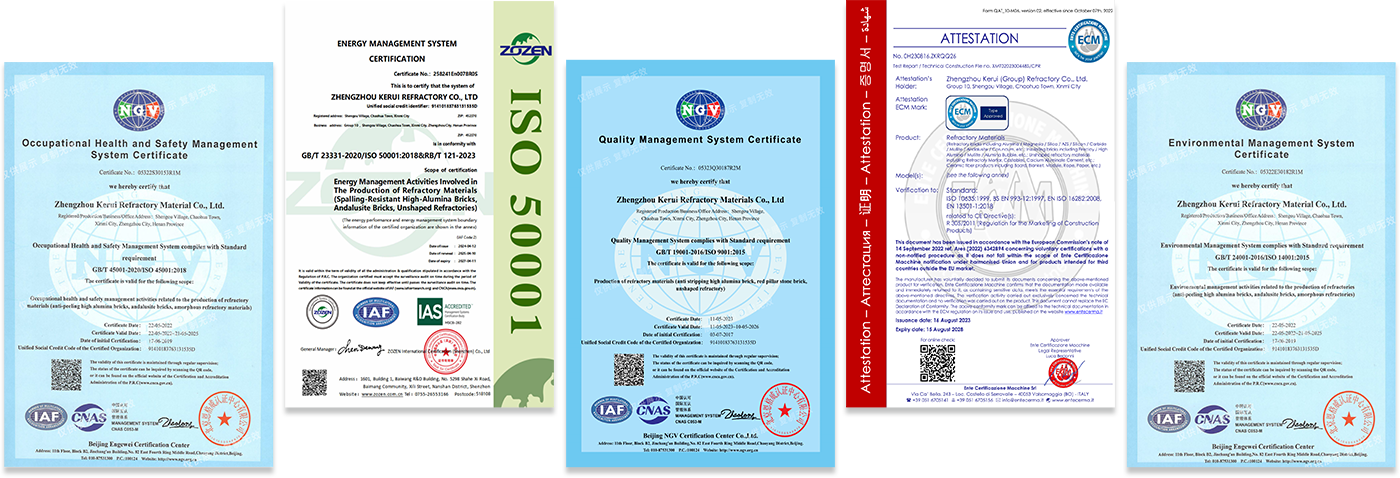
REBO ceramic fiber module is produced under strict quality management systems. The factory holds ISO 9001 certification. Each batch is tested for bulk density, permanent linear change, and thermal conductivity before shipment.
Third-party inspection is available upon request. Test reports and material certificates are provided with every order. Customers can also arrange factory visits for on-site quality verification.
Products Used Together with Ceramic Fiber Module
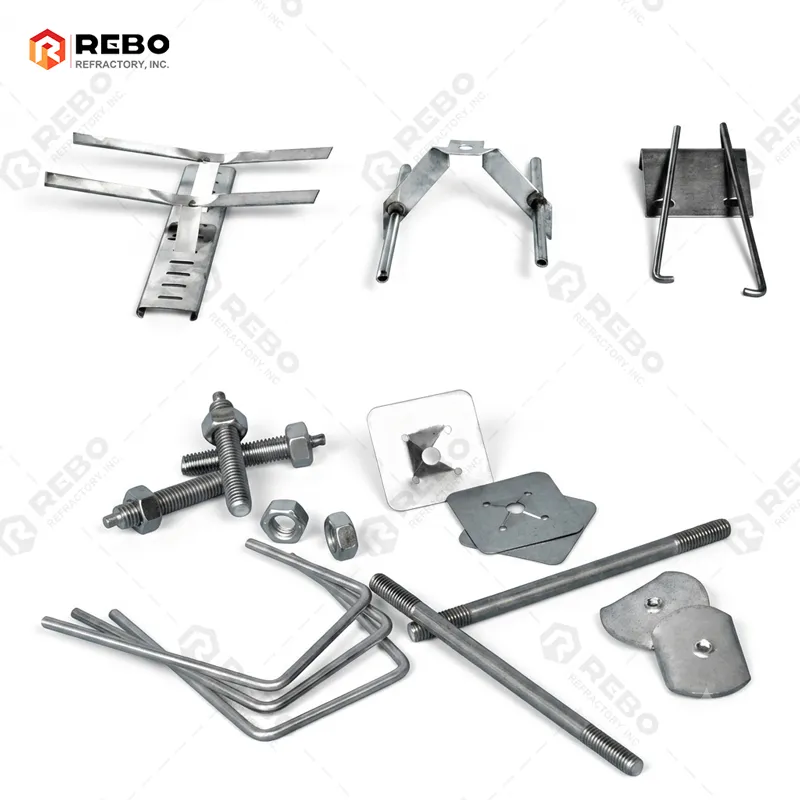
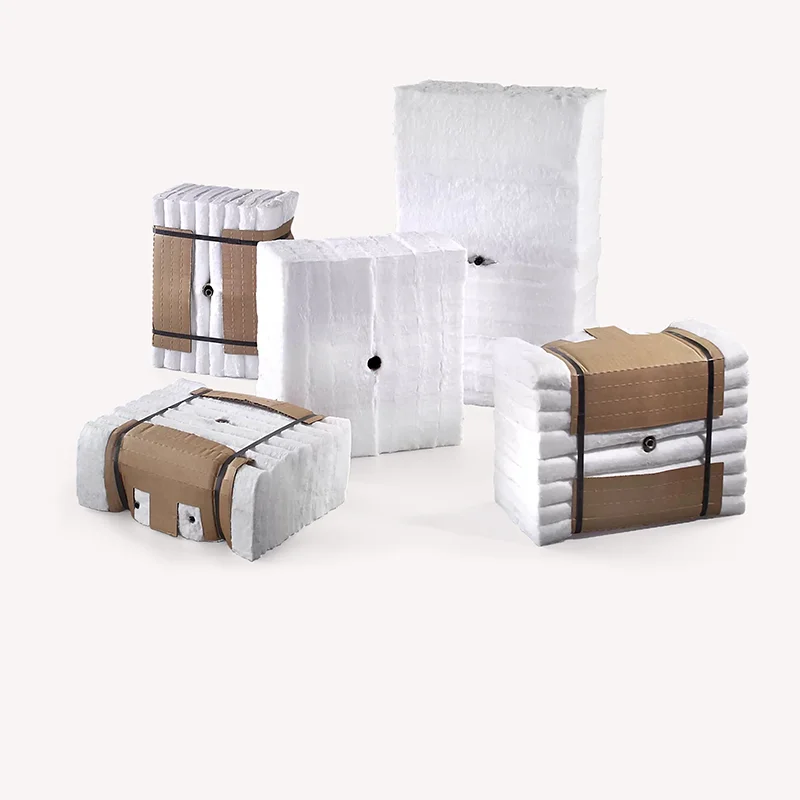
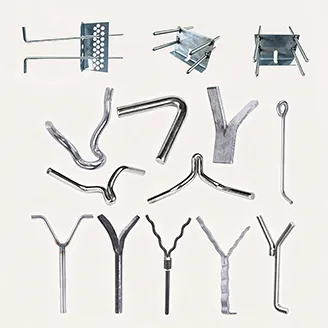
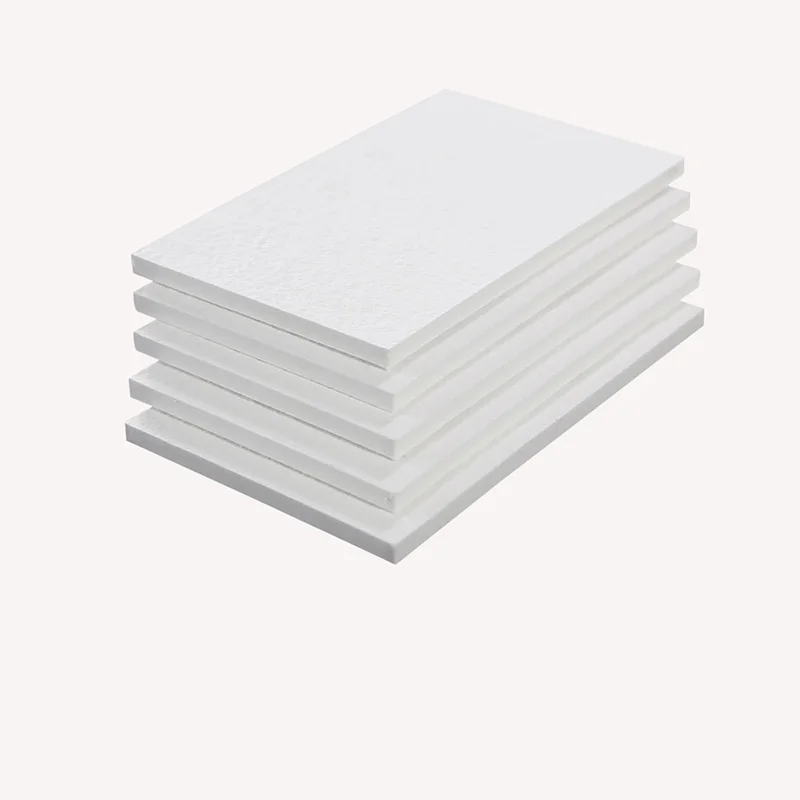
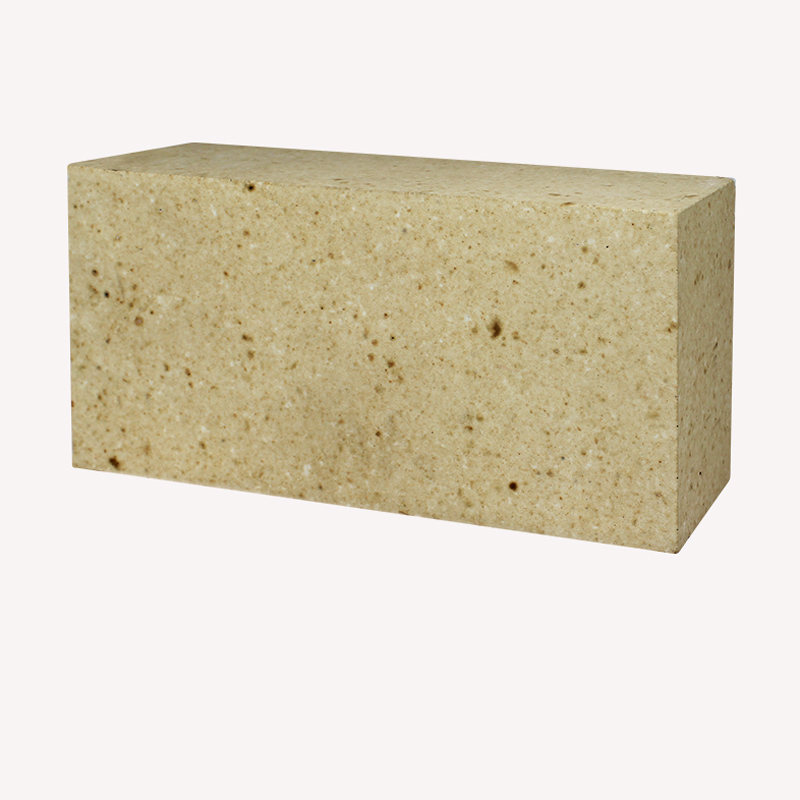
Ceramic fiber module works as the main lining material. The following products are used together with the module to build a complete furnace lining system. A combination our global customers have documented and reviewed firsthand. See installation cases on Facebook.
FAQs of Ceramic Fiber Module
Q: What is Ceramic Fiber Module?
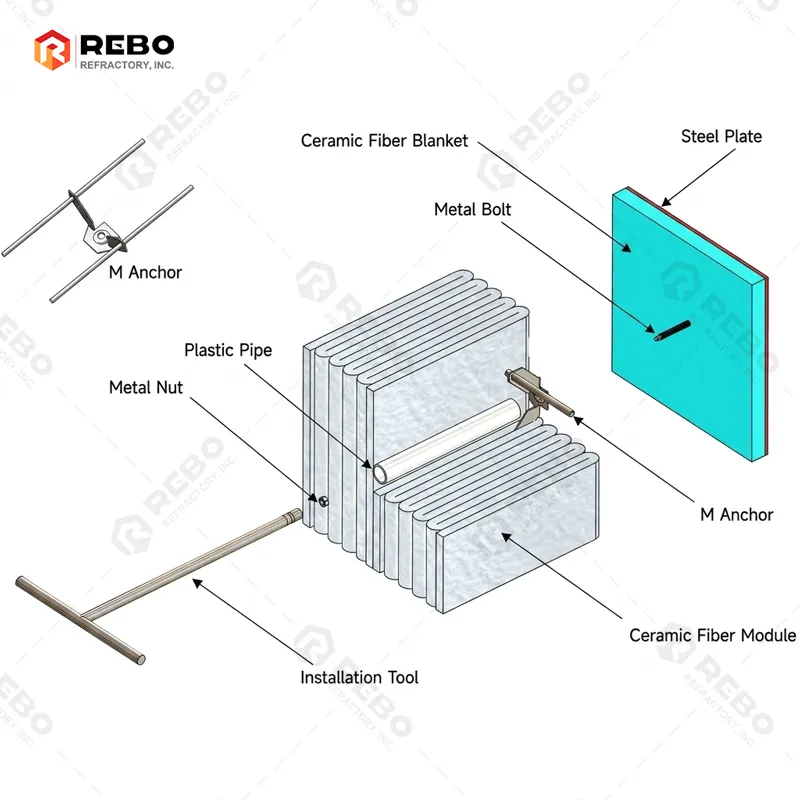
Q: How to Install Ceramic Fiber Module
Step 1. Prepare the Furnace Shell
Clean the surface. Remove dust, rust, and old lining. Ensure it is flat and dry.
Step 2. Install the Anchor System
Weld or bolt anchors per the layout drawing. Space anchors according to module size and temperature. Use stainless steel or heat-resistant alloy anchors.
Step 3. Mount the Modules
Push each module onto the anchor from the hot face side. Secure with a washer and nut on the cold face.
Step 4. Fill the Gaps
Fill joints between modules with ceramic fiber blanket strips or loose fiber to prevent heat leakage.
Step 5. Apply Hot Face Coating (Optional)
Apply a refractory coating to the hot face for added protection against high gas velocity or chemical exposure.