
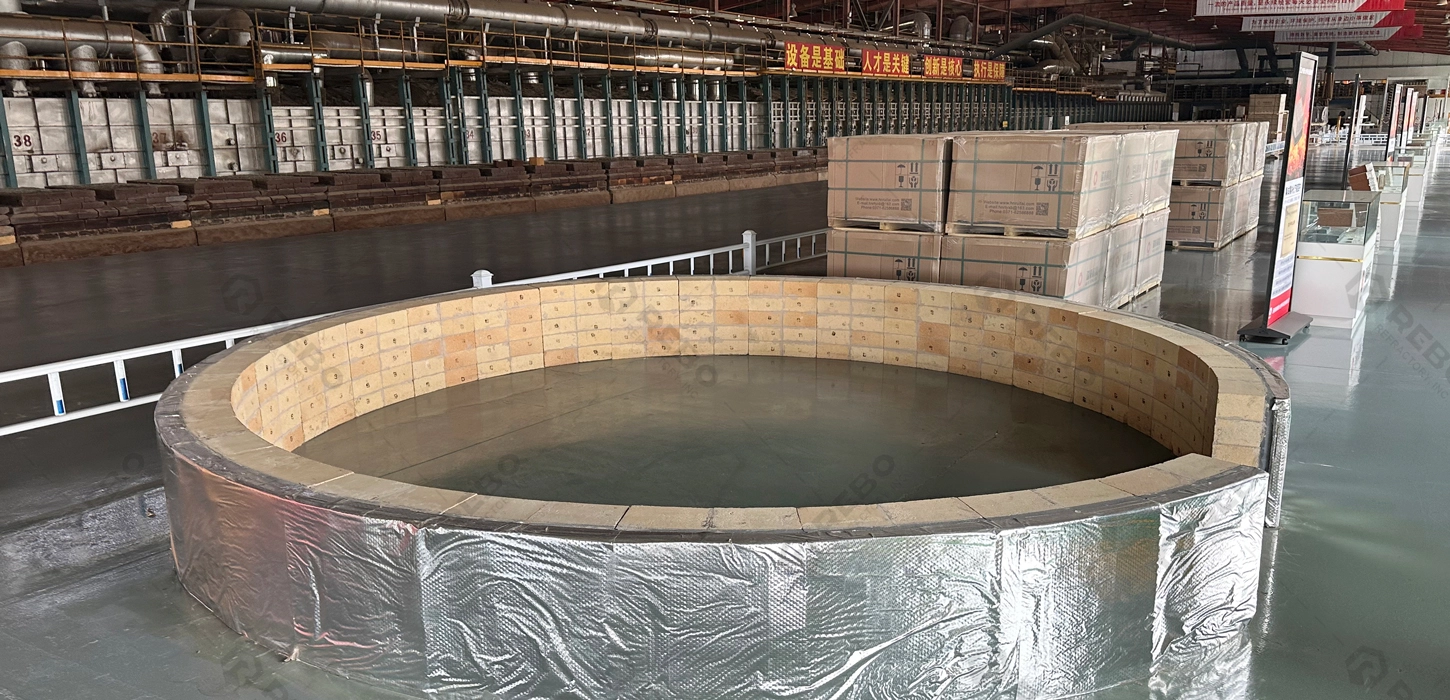
Guide of Differences Among 3 Types of Magnesia Bricks
This guide explains the main differences and provides a practical framework for selecting magnesia refractory bricks.
| Type | Characteristics | Main Strengths | Typical Applications |
| Sintered Magnesia Brick | Dense, Fired Structure | Balanced Performance and Cost | Steelmaking, Cement, Lime and Industrial Furnaces |
| Fused Magnesia Brick | Large, Well-developed MgO Crystals | High Corrosion Resistance and Structural Stability | Severe Slag and High-Temperature Environments |
| High-Purity Magnesia Brick | High MgO, Low Impurities | High Refractoriness and Good Resistance to Chemical Attack | High-Temperature Furnaces and Demanding Industrial Applications |
What Do Magnesia Brick Grades Mean?
A specification may identify a product using its MgO content together with physical-property requirements. However, there is no single universal grading system that applies to every manufacturer and every market. A buyer should therefore request the complete technical datasheet rather than comparing products only by a grade name. Therefore, magnesia refractory brick grades are commonly differentiated according to factors such as:
- MgO content
- Impurity levels
- Bulk density
- Apparent porosity
- Cold crushing strength
- Manufacturing process
- Raw material type
- Application requirements
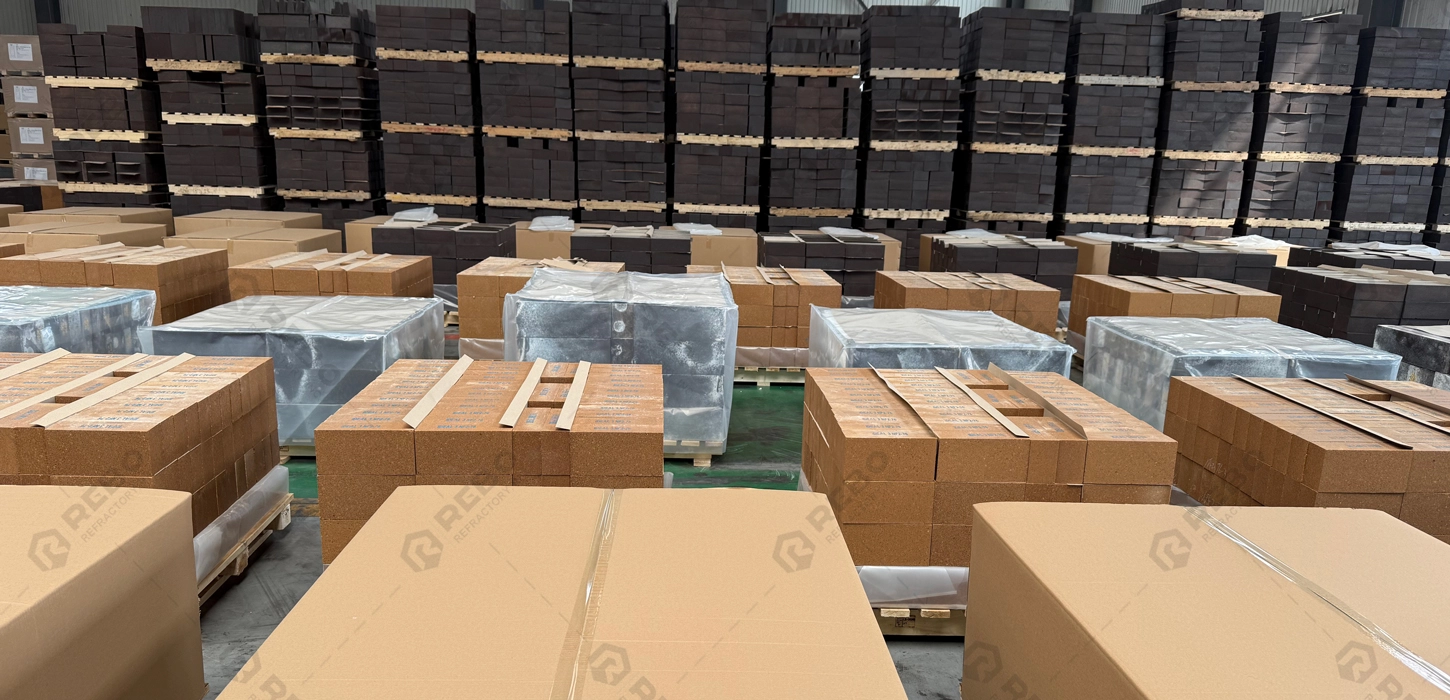
How to Choose the Right Magnesia Brick
Instead of asking which magnesia brick is the best, you can also start with the actual operating conditions.
Step1. Identify Your Furnace
First you need determine the equipment and working zone. Commonly customers use magnesia bricks in BOF, EAF furnace, Ladle, Cement rotary kiln, Lime kiln etc. Different zones within the same furnace can also require different refractory grades.
Step2. Understand the Slag
Slag chemistry is one of the most important factors. For steelmaking applications, you should evaluate Basicity, FeO content, CaO, SiO₂, MgO, Temperature, Slag/refractory interaction
The refractory should be selected according to the actual chemical environment rather than simply the nominal furnace type.
Step3. Check the Required MgO and Impurity Levels
Do not specify only with the content of MgO, a more useful purchasing specification should consider MgO with Fe₂O₃, Bulk density, Apparent porosity, CCS, RUL… These factors required values depend on the application. Moreover, that will benefit both you and magnesia brick supplier. You can save time and energy greatly!
Step4. Match the Brick to the Working Zone
A furnace is rarely exposed to one uniform condition. For example, different zones may experience different combinations of the below items. Therefore, refractory selection should be based on the specific working zone, not simply the furnace name.
- Temperature
- Slag contact
- Mechanical wear
- Thermal cycling
- Chemical corrosion
Final Guide for Sintered or Fused Magnesia Refractory Bricks
Share some tips about choosing right magesia refractory bricks. While the final specification should be confirmed through the actual operating conditions and technical data. If you’re still puzzled about the type of high temperature refractory bricks, welcome to let REBO know. You can get more profeesional guide from engineers and business manager with over 40 years of experience.