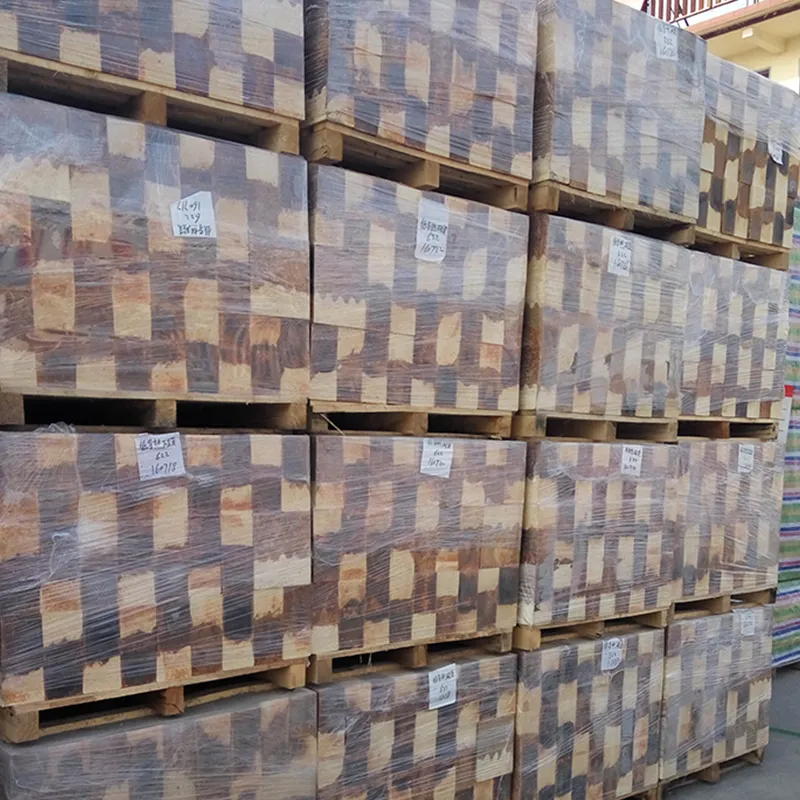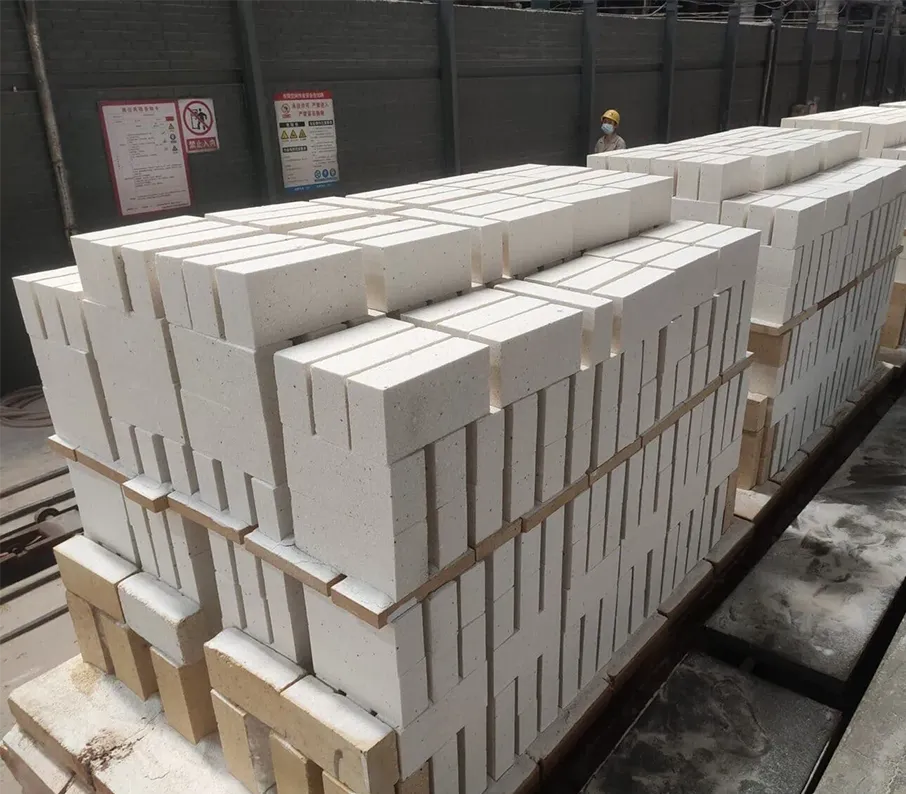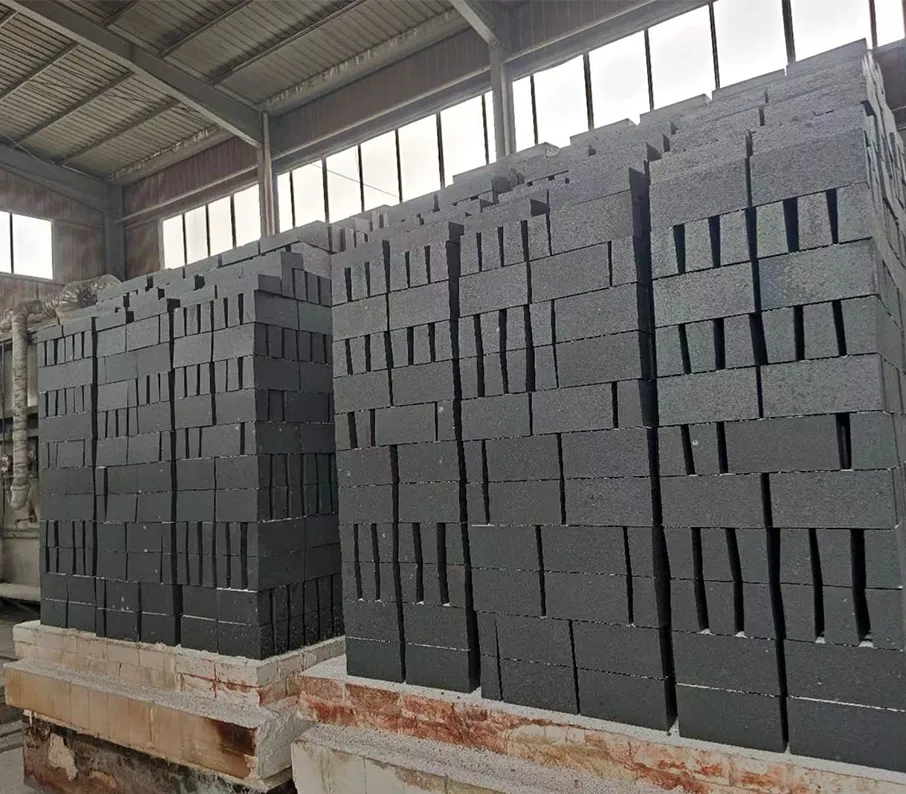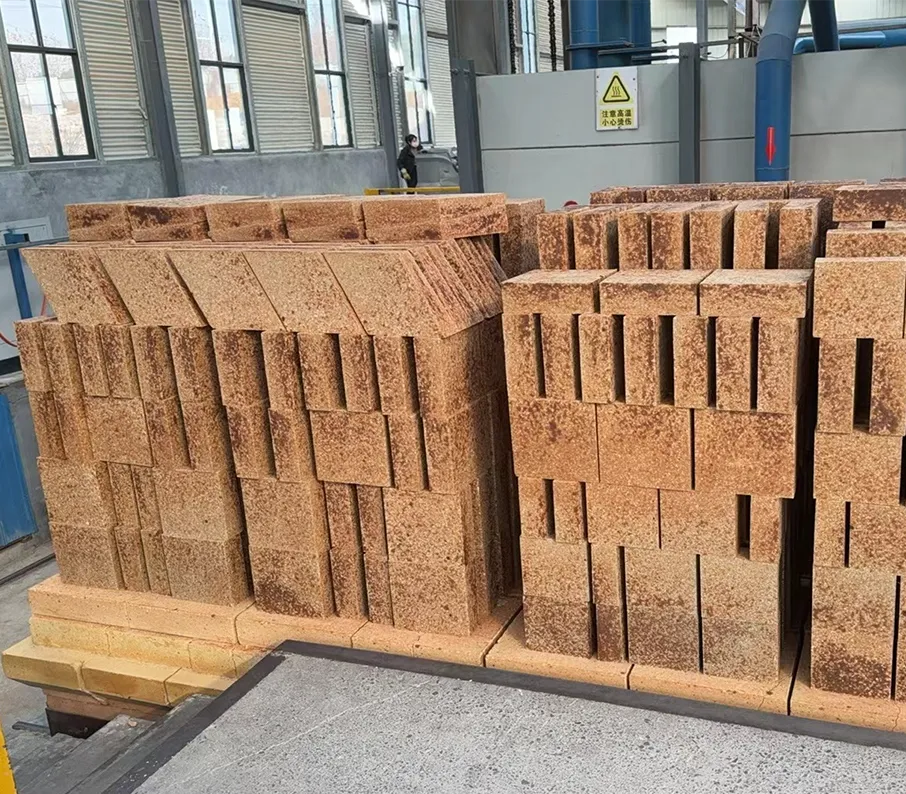
Silica Refractory Brick

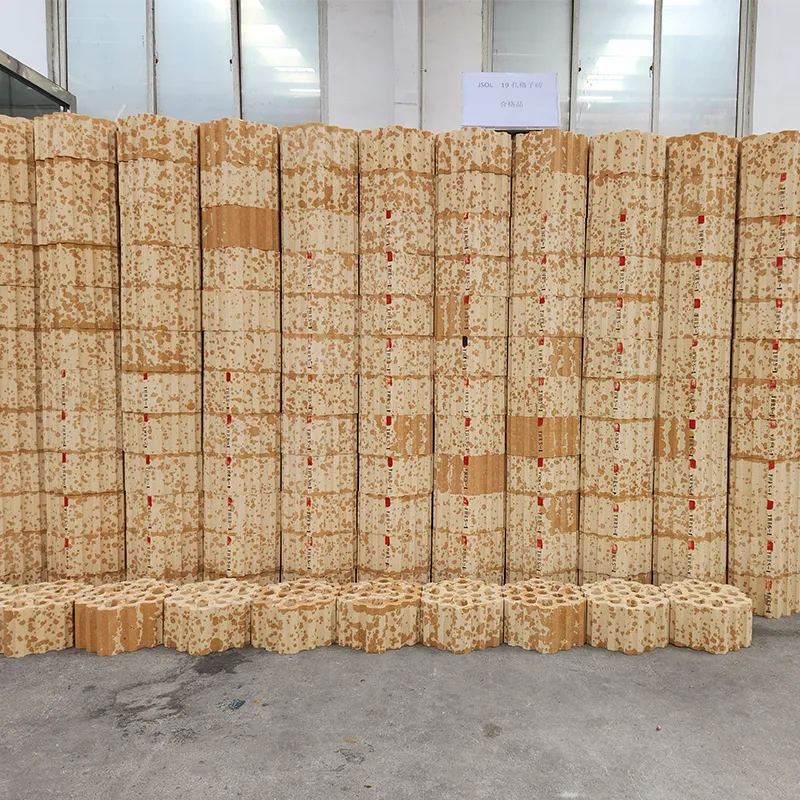
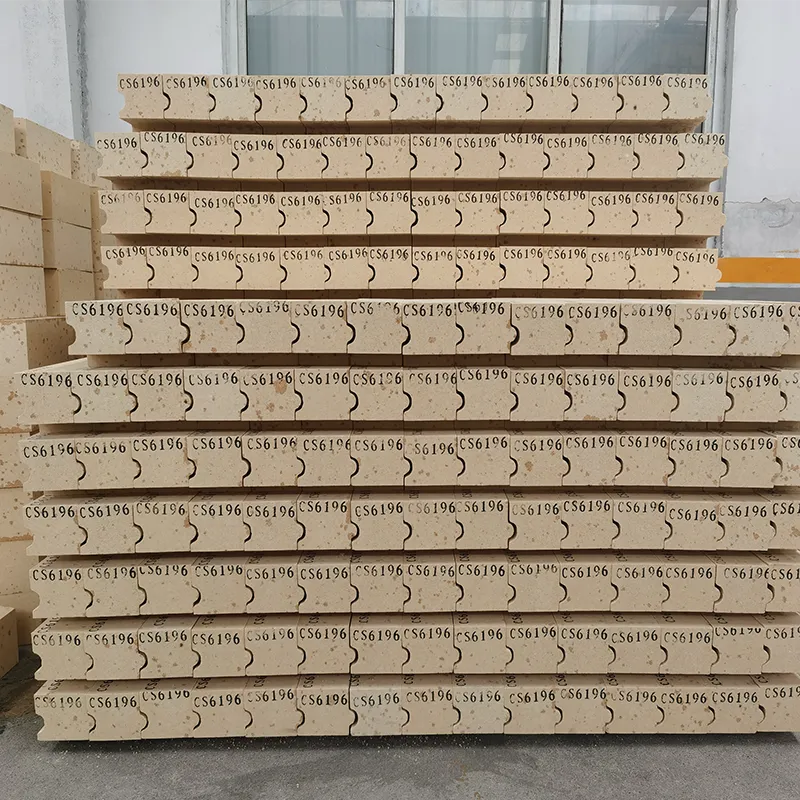
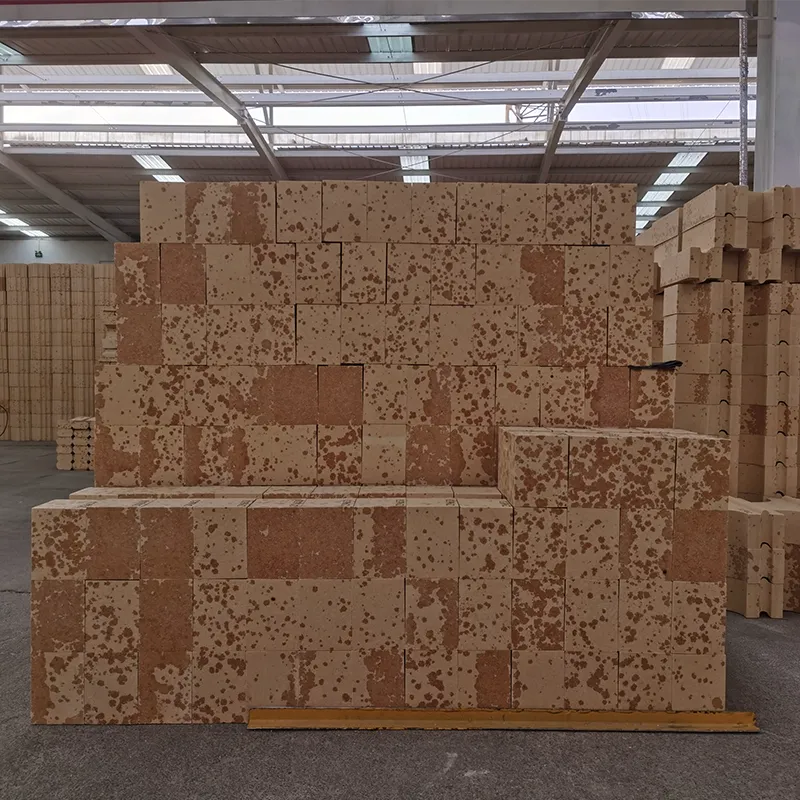
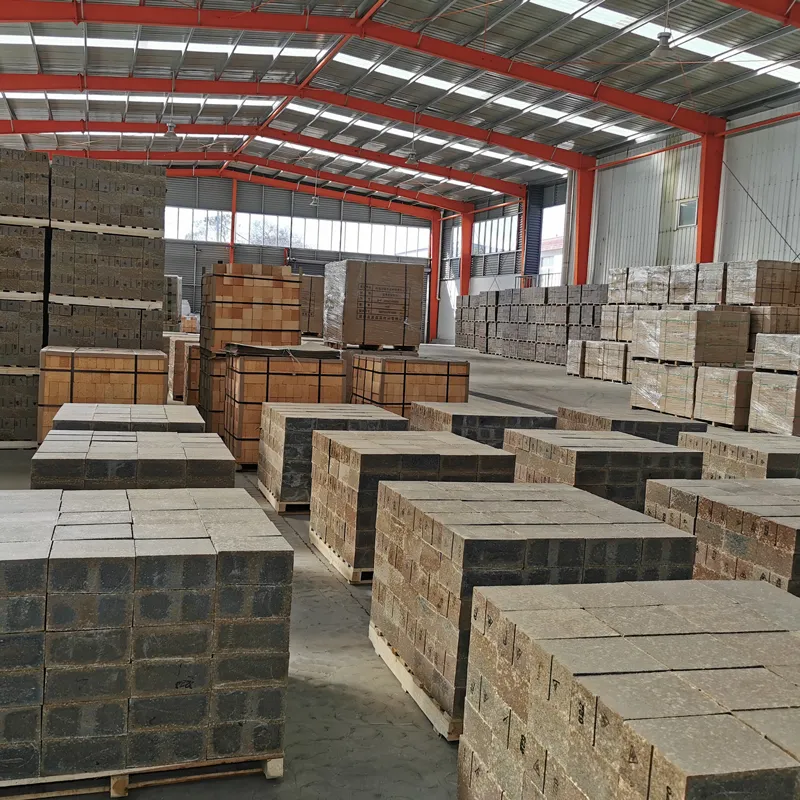
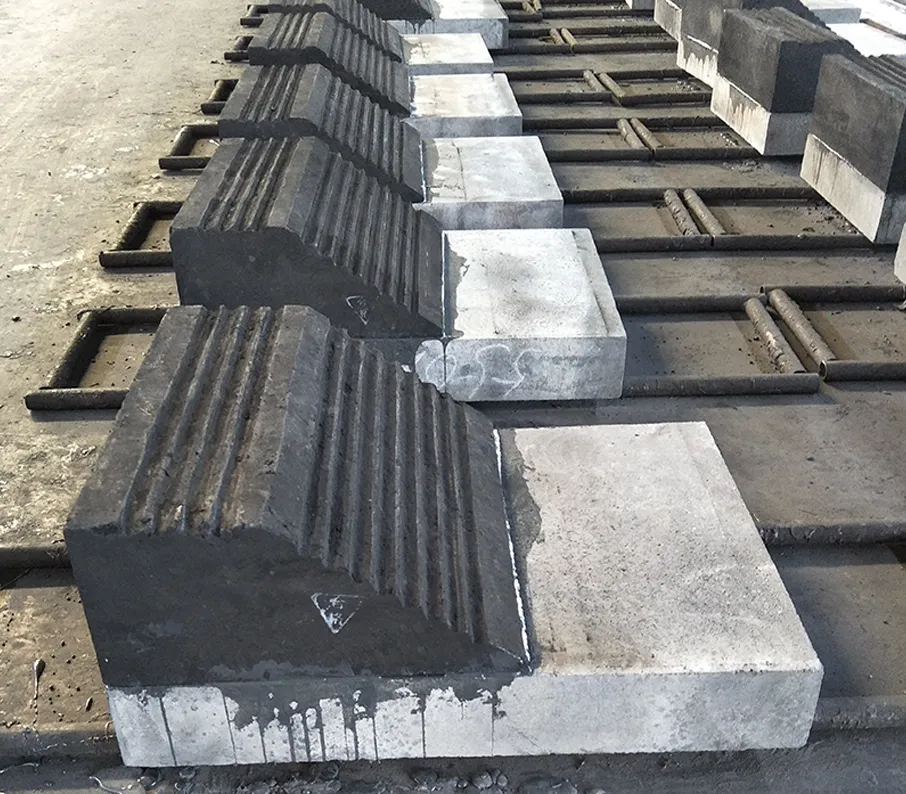
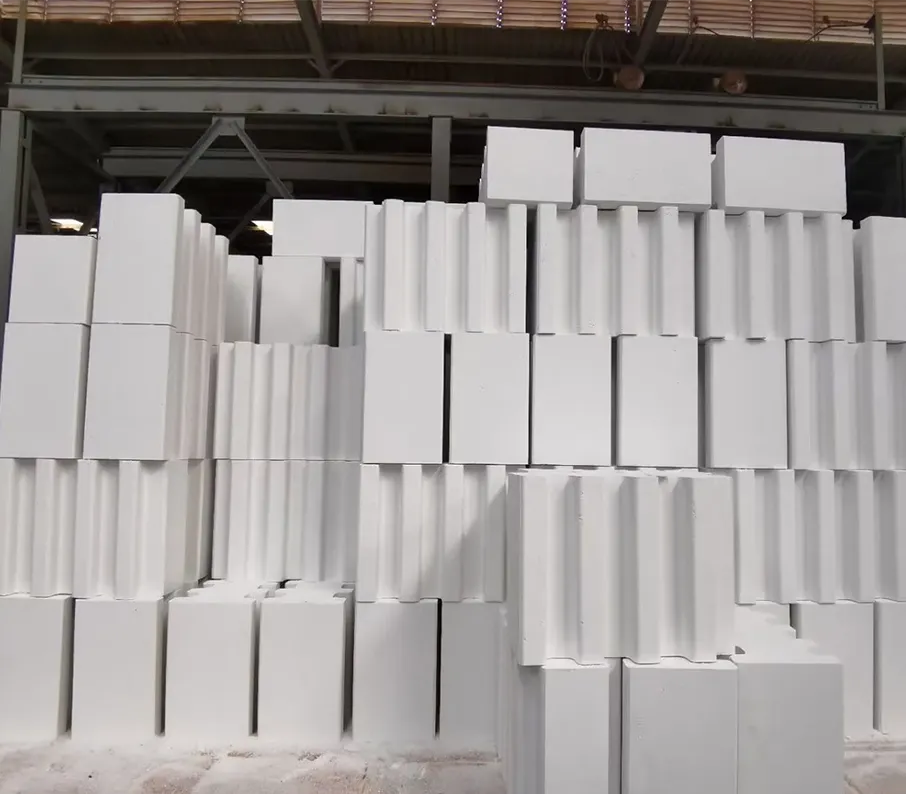
Silica refractory bricks offer high refractoriness under load and low bulk density. They are the natural choice for arches, crowns, and load-bearing structures in long-term furnace operations. For coke ovens, glass furnaces, or hot blast stoves, our GZ-96 brick brings no iron contamination risk to the glass melt. Factory-direct supply gives you consistent quality, fair prices, and no middlemen.

94-96%
SiO₂ Content

7-35
Days Delivery

ISO/CE/SGS
Certificates

1650-1670℃
Refractoriness Under Load

Silica Refractory Solutions Built for the Extreme

REBO silica bricks are engineered for the most demanding high-temperature environments. With SiO₂ content exceeding 94%, they deliver exceptional resistance to acidic atmospheres, outstanding load-bearing stability at elevated temperatures, and long service life across a range of industrial applications.

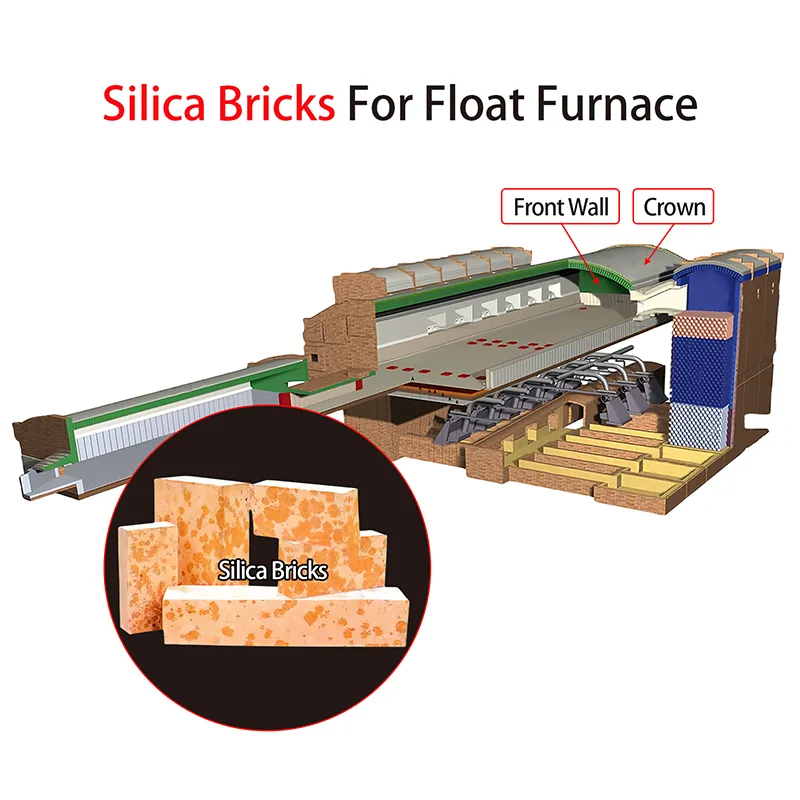
Silica Bricks for Glass Furnaces

Designed to withstand the intense, continuous heat of glass melting furnaces, our silica bricks maintain structural integrity at temperatures up to 1700 °C while resisting corrosion from molten glass and acidic flue gases. They are widely used in the crown, sidewalls, and port necks of melting tanks, as well as the regenerator checker chambers, where stable volume and resistance to glassmelt vapors are critical.

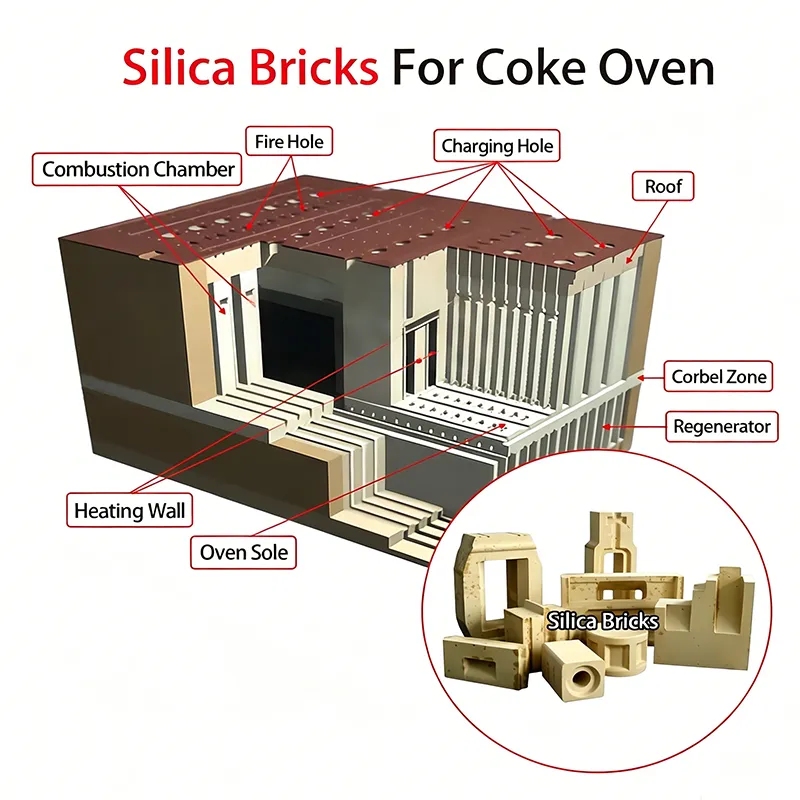
Silica Bricks for Coke Ovens

Optimized for the thermal cycling and mechanical stress of coke oven operation, these bricks offer superior volume stability and airtightness, ensuring efficient coking and extended furnace campaigns. Key application areas include the heating walls, oven roof, and combustion chambers, where precise dimensions and tight joints are essential to prevent gas leakage and maintain thermal efficiency across the entire battery.

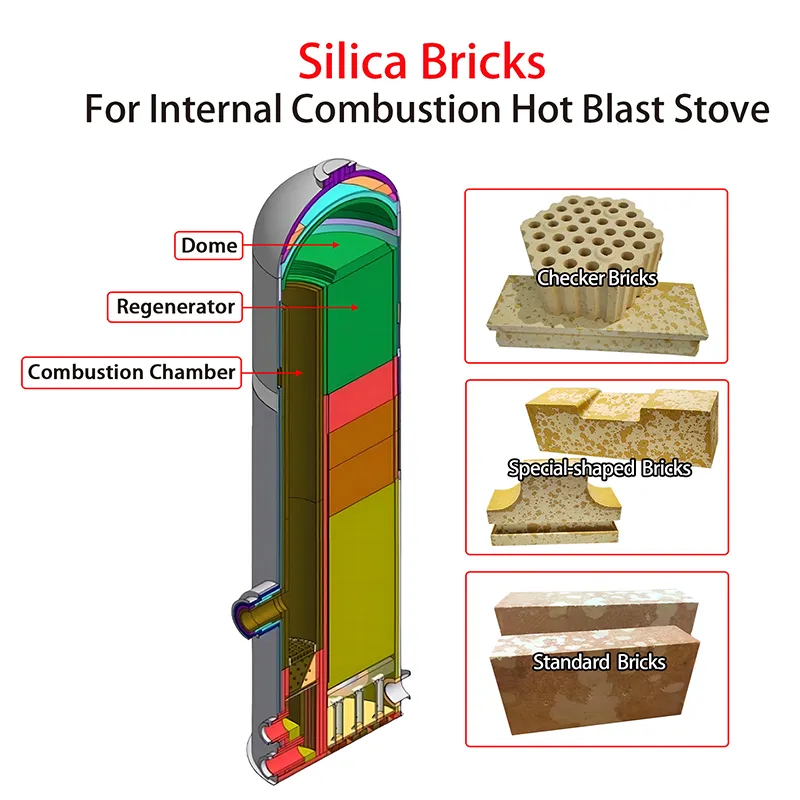
Silica Bricks for Hot Blast Stoves

Built for the repeated heating and cooling cycles of hot blast stove service, our silica bricks provide reliable performance at high dome temperatures, supporting consistent blast furnace productivity. They are primarily used in the dome, upper combustion chamber, and the upper section of the checker chamber — the zones subjected to the highest temperatures — where high refractoriness under load and minimal creep are indispensable.
Standard Silica Refractory Brick Specifications

Item GZ-94 GZ-96
SiO2, % 94 96
Fe2O3, % 1.4 1.0
Apparent Porosity, % 22 22
Bulk Density, g/cm³ 2.35 2.34
Cold Crushing Strength, MPa 30 40
0.2MPa Refractoriness Under Load, ℃ 1650 1670

Different Types of Silica Firebricks for Your Furnace
60-80% Al₂O₃ High Alumina Bricks

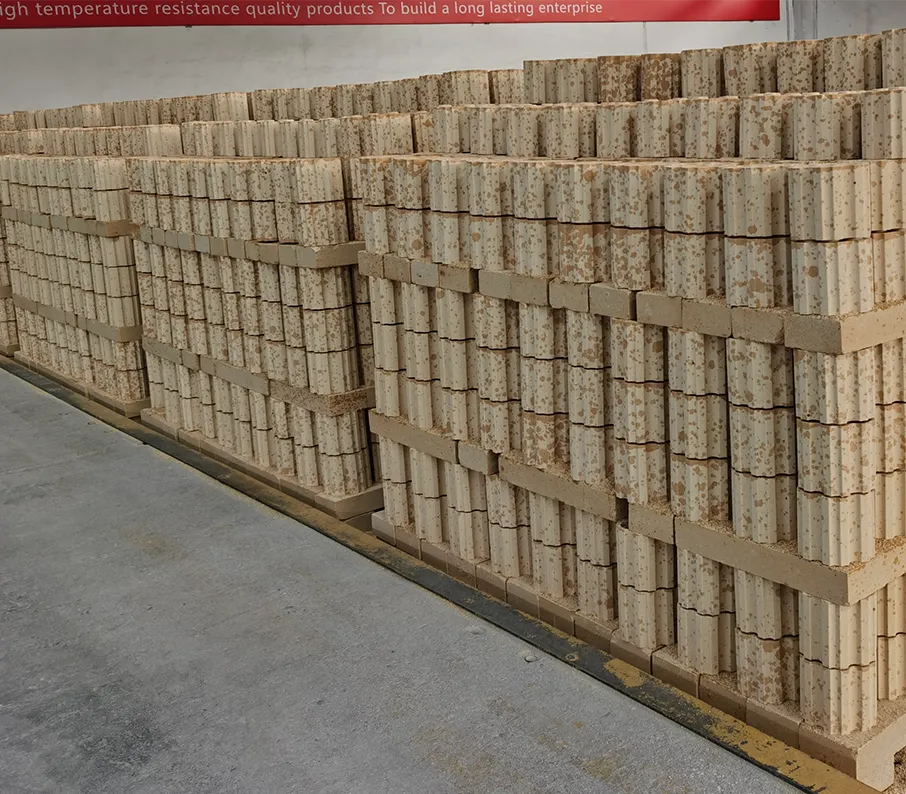
Standard Silica Refractory Bricks

Composition: SiO₂ ≥ 94%;
Bulk Density: 1.8–1.95 g/cm³;
High Refractoriness Under Load (RUL), Strong High-Temperature Creep Resistance;
Used for coke Oven Carbonization Chambers, Glass Furnace Crowns, Hot Blast Stove Roofs;

SK-Grade High Alumina Bricks

Lightweight Silica Brick

Composition: SiO₂;
Bulk Density: 1.0–1.2 g/cm³;
Low thermal conductivity;
Used for insulation layers/backup linings for various high-temperature kilns and furnaces;

Spalling-Resistant Bricks

Silicon Carbide Bricks

Silicon Carbide Brick;
Bulk Density: 2.5–2.7 g/cm³;
Excellent abrasion resistance and thermal conductivity; good thermal shock resistance;
Aluminum electrolytic cell linings, cyclone separators, waste incinerators.

Lightweight Insulating Bricks

Aluminum-Silicon Carbide Bricks

Composition: Al₂O₃ + SiC;
Bulk Density: 2.6–2.85 g/cm³;
Abrasion-resistant and resistant to alkali corrosion; good thermal shock stability;
Transition zones and decomposition zones in cement rotary kilns;

Phosphate-Bonded Bricks

Silicon Nitride Bonded Silicon Carbide Bricks

Composition: SiC + Si₃N₄;
Bulk Density: 2.6–2.7 g/cm³;
Extremely high strength; excellent thermal shock resistance;
Used for blast furnace belly and lower sections; kiln furniture for the ceramics industry;

Low Creep High Alumina Brick

Fused Silica Brick

Composition: SiO₂;
Bulk Density: 1.9–2.0 g/cm³;
Extremely low coefficient of thermal expansion; excellent thermal shock resistance;
Used for glass furnace crowns/roofs; non-ferrous metal melting furnaces;

Silica Bricks Properties

  • High Load Softening Temperature
    Reaches 1560–1670°C, resisting deformation under load.
  • Irreversible Thermal Expansion
  • Good Acid Slag Resistance
    Resists acidic slags (SiO₂, FeO) effectively.
  • High SiO₂ Purity
    SiO₂ content 94–96%; Al₂O₃ strictly limited.
  • Adequate Bulk Density
    Typically 1.8–1.95 g/cm³.
  • Controlled Fe₂O₃ Content
    Restricted to prevent contamination in glass furnaces.
  • Poor Alkaline Slag Resistance
    Degrades when exposed to CaO, MgO, or alkalis.
  • Poor Thermal Shock Resistance
    Prone to cracking under rapid temperature

Various Shapes of Silicon Bricks for High-temp Furnaces

Category Main Shapes Typical Features & Applications
General Standard Types Straight Shape / Standard Brick: 230×114×65 mm Used for building flat walls or furnace crowns. This type has the largest consumption volume.
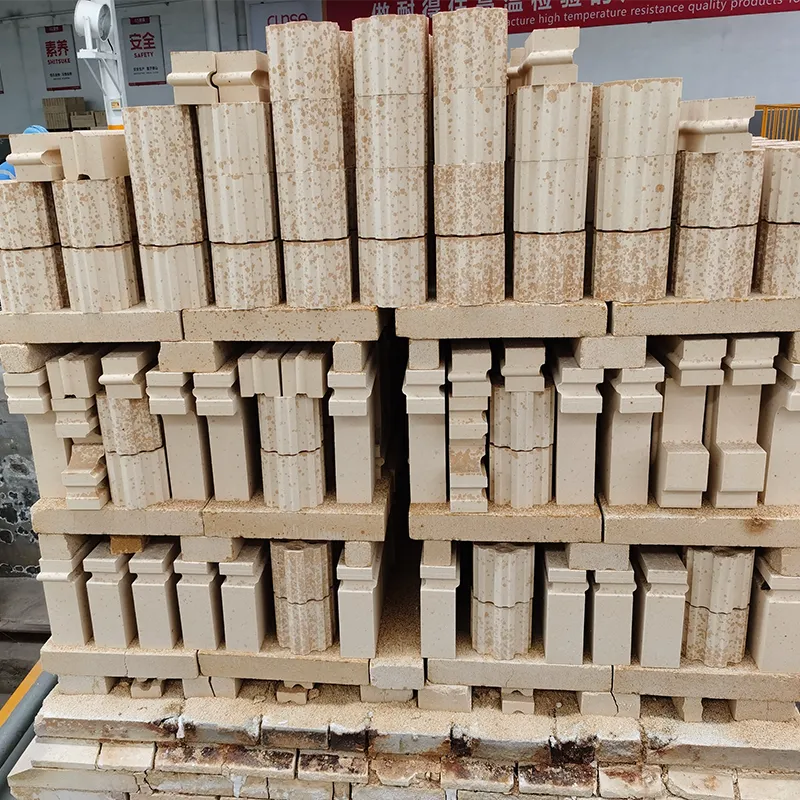
Furnace-Specific Types Silica Bricks for Glass Furnaces Includes Large Arch/Wedge Bricks, Cast Shape Bricks, Throat Bricks, etc.
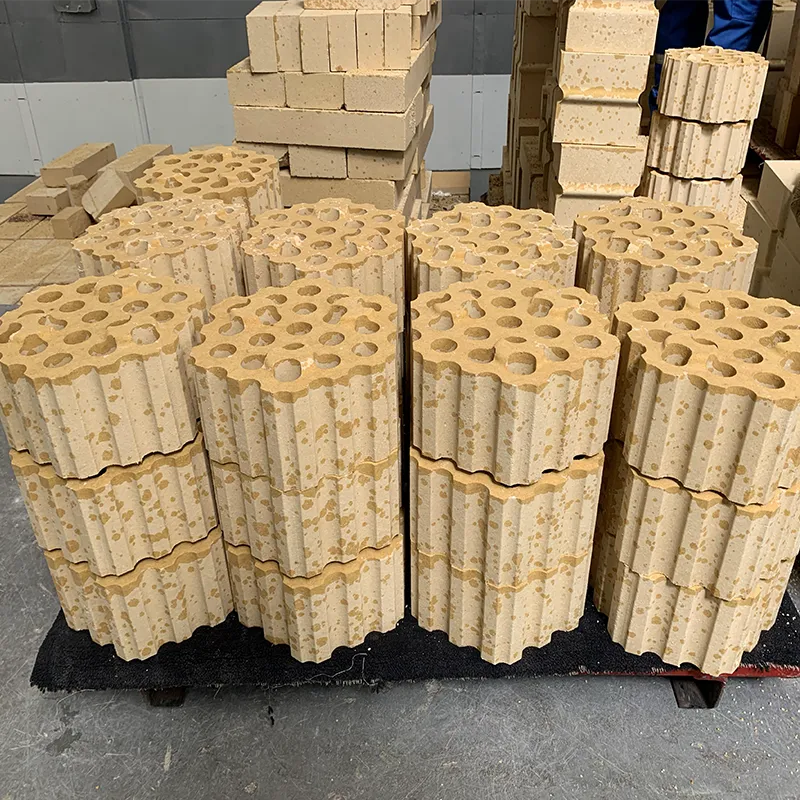
Silica Bricks for Coke Ovens Includes Door Frame Bricks, Peeper Brick, Checker Bricks for regenerators, and other complex shapes.
Silica Bricks for Hot Blast Stoves Includes Radial Wedge Bricks for the dome, Special-shaped Bricks for the wall, etc.
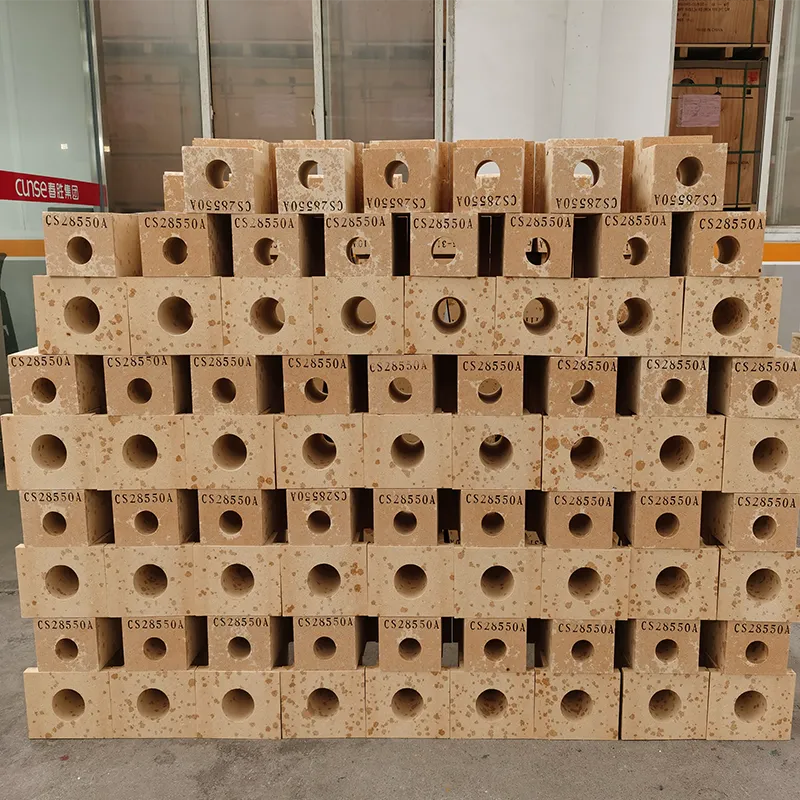
Custom Special Types Special-shaped Bricks Features recessed corners, grooves, or arcs. Used for special structural connections.
Extra-special-shaped Bricks Very complex shapes. May include multiple recessed corners or holes. Used for arch corners, openings, and other critical areas.

From Raw Material to Proven Performance
>1650°C
Refractoriness
94-96%
SiO₂ range
1500–1600°C
Firing temperature
400–1000T
Press capacity
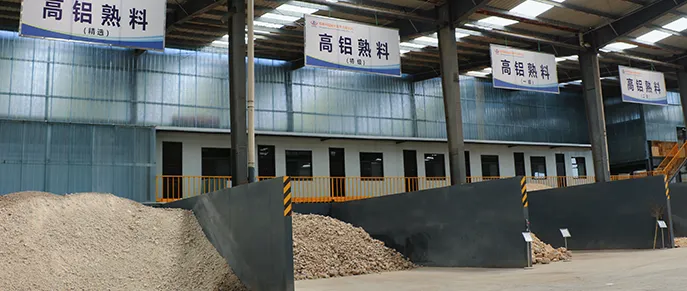
Premium Raw Materials

icon

Strict Silica Bricks Manufacturing Process

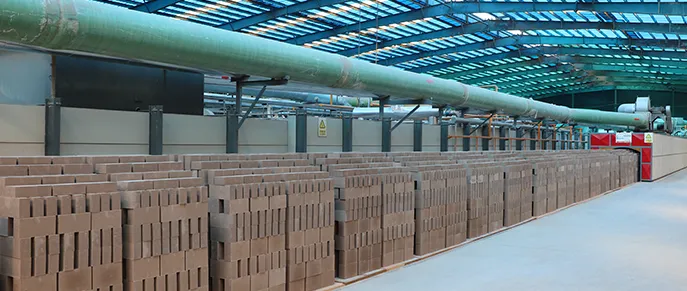
Every silica brick we produce begins with carefully selected high-purity quartzite, processed through precision batching, high-pressure forming, and controlled high-temperature firing at up to 1450 °C. Strict quality inspection at every stage from raw material analysis to dimensional tolerance checks and load-bearing tests. This ensures each brick meets the demands of your specific application before it ever leaves our facility.

Our 60,000 m² manufacturing base houses eight tunnel kilns and four friction press lines, with an annual output exceeding 80,000 metric tons. Advanced thermal analysis equipment allows us to monitor cristobalite and tridymite phase conversion in real time, giving us precise control over the properties that matter most: volume stability, creep resistance, and refractoriness under load. The direct factory silica bricks price is great for you.
High-Temperature Sintering

icon

Proven Performance

This manufacturing discipline translates directly into field performance. Our silica bricks have been successfully installed in over 300 projects across 30 countries, including the crown and sidewalls of a 600 t/d float glass furnace in Germany, the full heating wall lining of a 65-oven coke battery in India, and the dome and upper combustion chamber of hot blast stoves supporting a 4,500 m³ blast furnace in China. Campaign lives of 10–15 years in glass furnace service and 25+ years in coke oven applications stand as a testament to the consistency of our process and the reliability of our product.

Whether you are lining a new furnace or planning a major repair, our engineering team works with you from specification through installation backed by a manufacturing process refined over more than 30 years of refractory production.

High Alumina Bricks Across Various Industries

REBO bricks are installed in kilns, furnaces, and ladles worldwide. Below are the key application scenes and real-world results from our customers. The application examples below represent real installations and feedback from our global customers engineers and procurement teams who chose REBO for both technical reliability and competitive factory high alumina bricks price.

Brick installation
Steel industry 1Steel industry 2Steel industry 3Steel industry 4

Steel & Metallurgy
Electric arc furnace for side wall & roof lining

Requires bricks with high slag resistance and thermal shock stability under rapid temperature swings.

SK38 / SK40
Spalling-resistant
Steel ladle working lining & well block

Direct contact with molten steel. Demands high density, low porosity, and erosion resistance.

Ladle brick
Well blockt
Ladle brick

Learn More

Brick installation
Steel industry 1Steel industry 2Steel industry 3Steel industry 4

Cement Materials
Cement rotary kiln for transition zone & burning zone

Subject to mechanical stress, alkali attack, and continuous rotation. Spalling resistance is critical.

Spalling-resistant
SK36 / SK38
Cyclone preheater & clinker cooler

High dust erosion and abrupt temperature changes demand abrasion-resistant, thermally stable bricks.

SK34/SK36
1300-1450℃

Learn More

Brick installation
Steel industry 1Steel industry 2Steel industry 3Steel industry 4

Glass & Ceramics
Float glass tank furnace for regenerator packing

Checker bricks must resist alkali vapour, thermal cycling, and maintain heat exchange efficiency over 5–8 year campaigns.

Checker brick
Phosphate-bonded
Ceramic tunnel kiln for car & side wall lining

Long continuous operation at 1300–1400°C. Dimensional precision matters for tight stacking and kiln car flatness.

SK36/SK38
Tight tolerance

Learn More

Brick installation
Steel industry 1Steel industry 2Steel industry 3Steel industry 4

Non-ferrous Metals
Aluminum melting & holding furnace working lining

Must resist aluminum penetration and molten metal corrosion. Phosphate-bonded grades preferred.

Phosphate-bonded
Low Fe₂O₃
Copper smelting reverberatory furnace for arch & side wall

High-temperature oxidizing atmosphere combined with slag attack demands high Al₂O₃ content and dense structure.

Al₂O₃ 75–80%
Arch brick
High density

Learn More

Brick installation
Steel industry 1Steel industry 2Steel industry 3Steel industry 4

Lime Industry
Lime shaft kiln for burning zone lining

Continuous operation under mechanical load and CO₂-rich atmosphere. Abrasion and thermal stability are paramount.

Al₂O₃ 70–80%
Rotary lime kiln for transition & burning zone

Similar demands to cement kilns but with stronger abrasive wear from lime particles.

Spalling-resistant
Al₂O₃ 60–70%
SK38

Learn More

REBO Certificates

REBO is certified to ISO 9001, ISO 14001, and CE standards, with comprehensive third-party test reports accompanying every order. Our quality management system is designed to satisfy the supplier qualification requirements of demanding industrial buyers worldwide giving your procurement team complete documentation and confidence from the very first purchase.

Certificates

How Silica Brick Compares Acid Resistance & Service Temperature

Brick type Resistant to Not resistant to Service temp.
Silica brick Most inorganic acids HF · hot H₃PO₄ · alkalis RT 1700 °C
SiC brick Weak & organic acids Strong oxidizing acids · alkalis RT 1600 °C
Si₃N₄-bonded SiC brick Acids + thermal shock Strong oxidizing acids · strong alkalis RT 1650 °C
Acid-resistant brick Nearly all inorganic acids HF · hot strong alkalis RT 300 °C
Carbon brick Broadest acid coverage Oxidizing acids · oxidizing atmosphere RT 2000 °C

FAQs About Silica Refractory Bricks

Q: What is the maximum service temperature for silica bricks?
A: Silica bricks can withstand temperatures up to 1700°C, making them suitable for high-temperature industrial applications such as coke ovens, glass furnaces, and hot blast stoves.

Q: Can silica bricks be used in contact with alkaline materials?
A: No. Silica bricks are acid refractory materials and will degrade rapidly when exposed to alkaline substances such as CaO or MgO. They should only be used in acidic or neutral environments.

Q: How should silica bricks be heated during initial oven start-up?
A: A strict, gradual heating curve must be followed during start-up. Rapid temperature increases can cause cracking due to the irreversible volume expansion that occurs at specific temperature ranges.

Q: What SiO₂ content should I expect in high-quality silica bricks?
A: High-quality silica bricks contain 94–96% SiO₂, with strictly controlled impurity levels. For glass furnace applications, Fe₂O₃ content is additionally restricted to prevent product contamination.

Q: Are silica bricks suitable for environments with frequent temperature fluctuations?
A: No. Silica bricks have poor thermal shock resistance and are prone to cracking under rapid or repeated temperature changes. They perform best in applications with stable, continuous high-temperature conditions.

Ready When You Are
Whether you need quote, technical solution, or want to understand whether REBO is the right fit for your project — fill in the form and a real person will respond.
You Can Reach REBO Here

Whatsapp

WeChat

Let REBO Connect You