

Types of Furan Resin Mortar for Sale
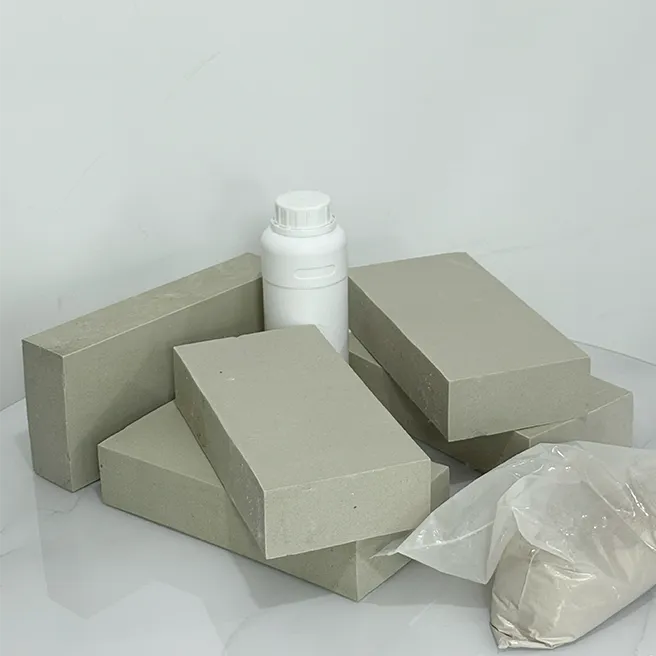
REBO premium furan resin mortar is a high-performance, two-component corrosion-resistant system. It is scientifically formulated from a blend of furfuryl alcohol, advanced furfural-type resins, and meticulously graded functional powders. To achieve maximum physical and chemical properties, the product is supplied and applied as a structured two-component system: furan liquid and furan powder.
Standard mixing ratio for optimal application and structural integrity: the standard weight ratio for site mixing is: Furan Liquid: Furan Powder = 1KG: 3KG
| Feature | Furan Powder (Filler) | Furan Liquid (Binder) |
|---|---|---|
| Material Type | Acid resistant aggregates + hardener | Furfuryl alcohol-based resin |
| Primary Role | Controls shrinkage & triggers curing | Provides adhesion & chemical resistance |
| Main Ingredients | Silica or Carbon powder + catalyst | High-purity furfuryl alcohol & furfural |
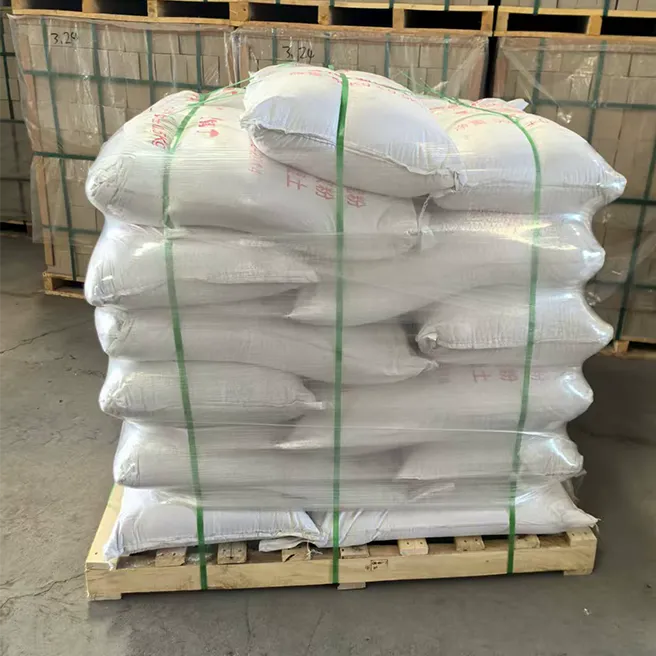
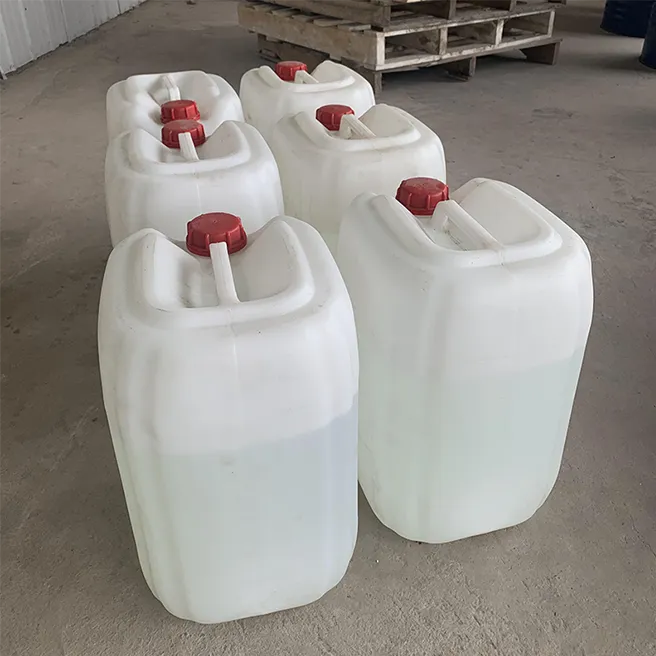
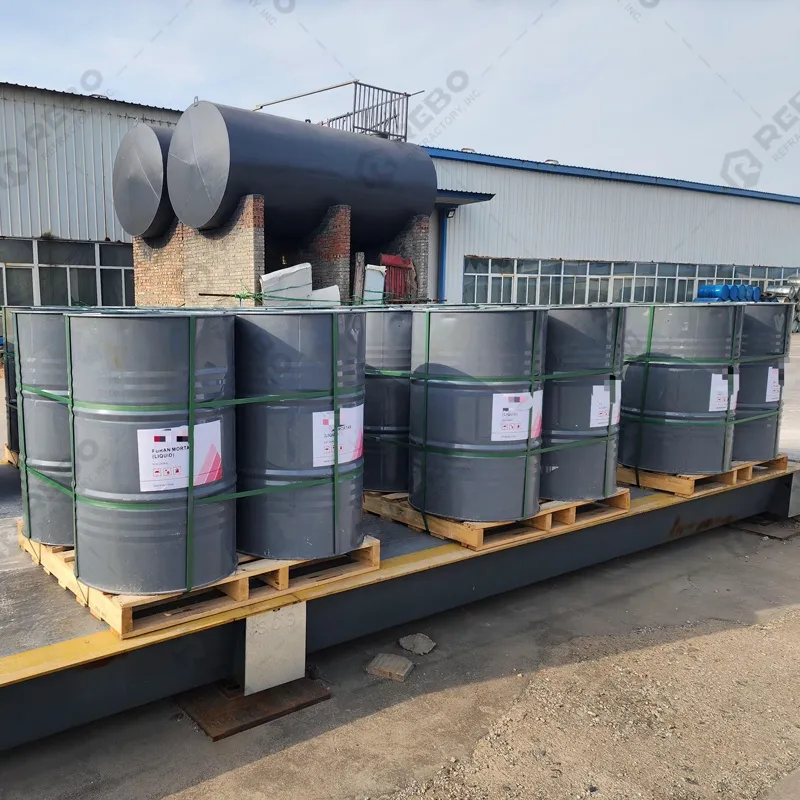
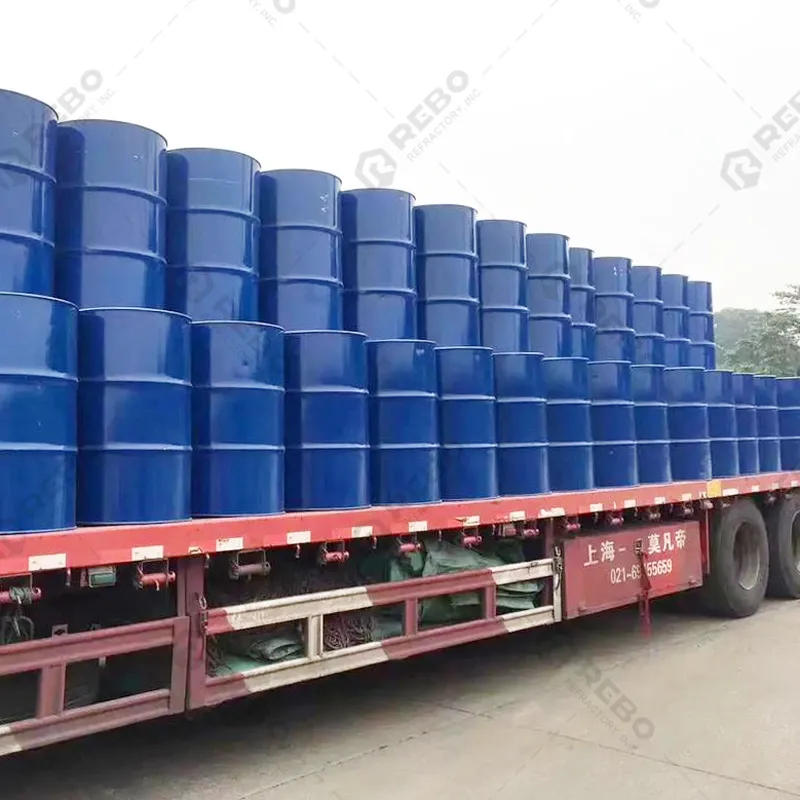
| Packaging | 25 kg kg double-layer woven Bags | 250 kg Drums |
| Shelf Life | 6 Months (Strictly sensitive to moisture) | 12 Months (Keep cool & dry) |
| Application | Mixed with liquid for brick bedding & jointing | Mixing mortar or making Furan FRP linings |
Note: Store in a cool and ventilated place. Avoid direct sunlight and heat sources.
The storage period of the resin is one year. If it exceeds one year, check the viscosity. If it is a flowing liquid, it can be used.
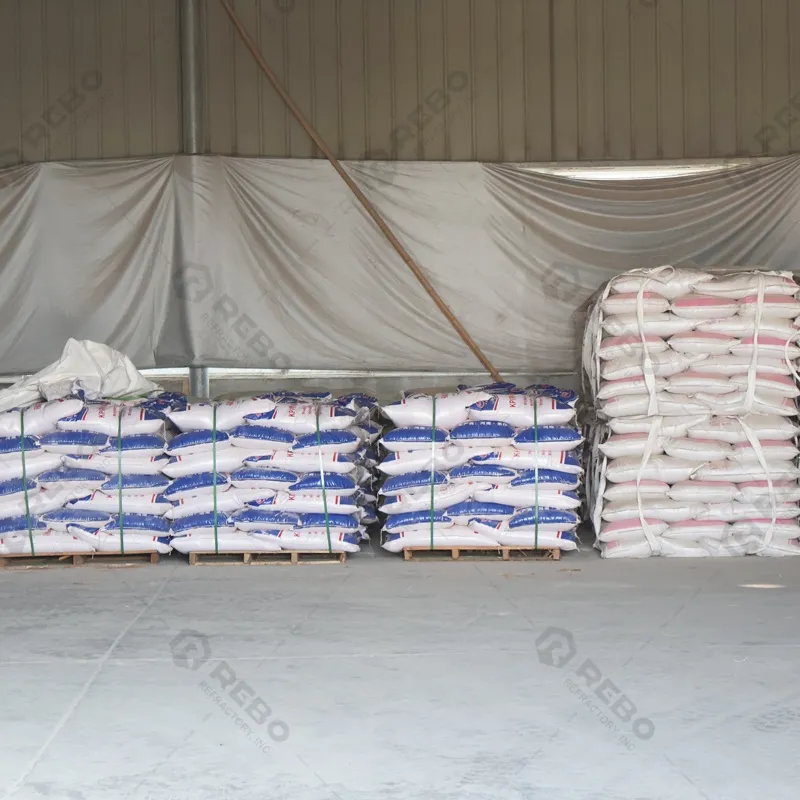
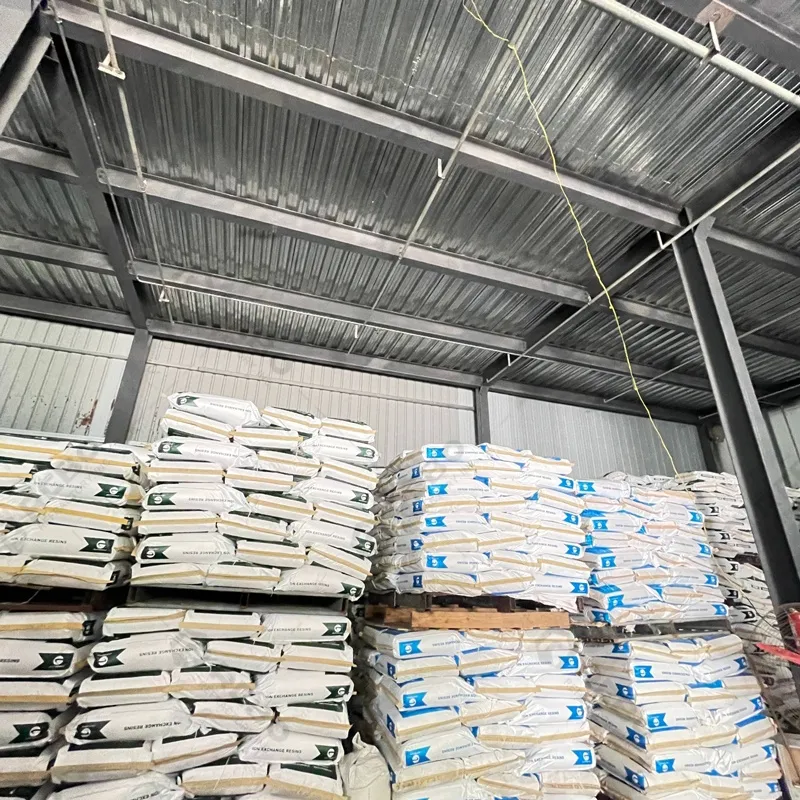
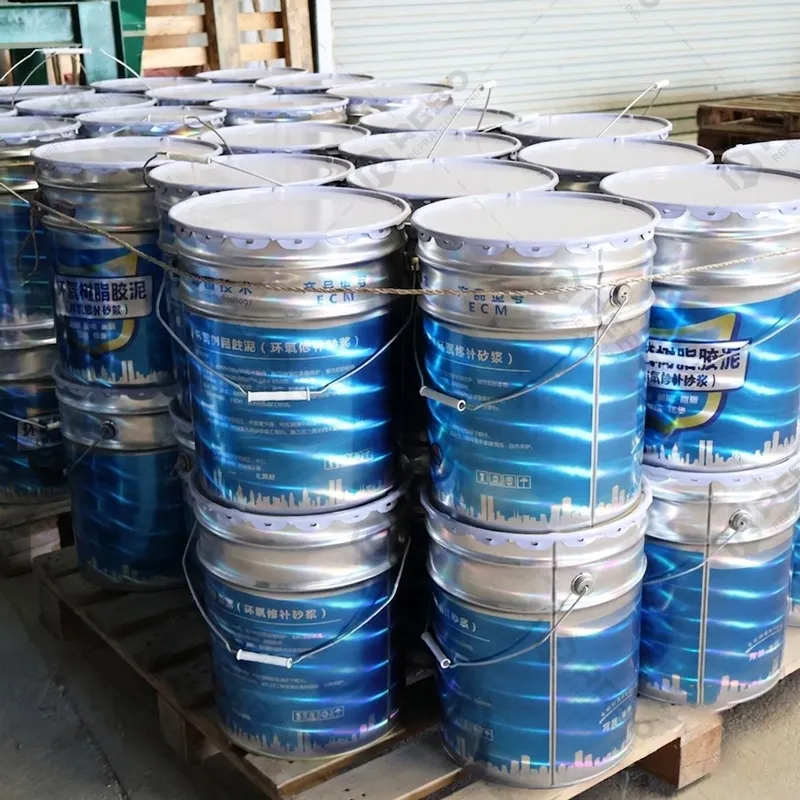
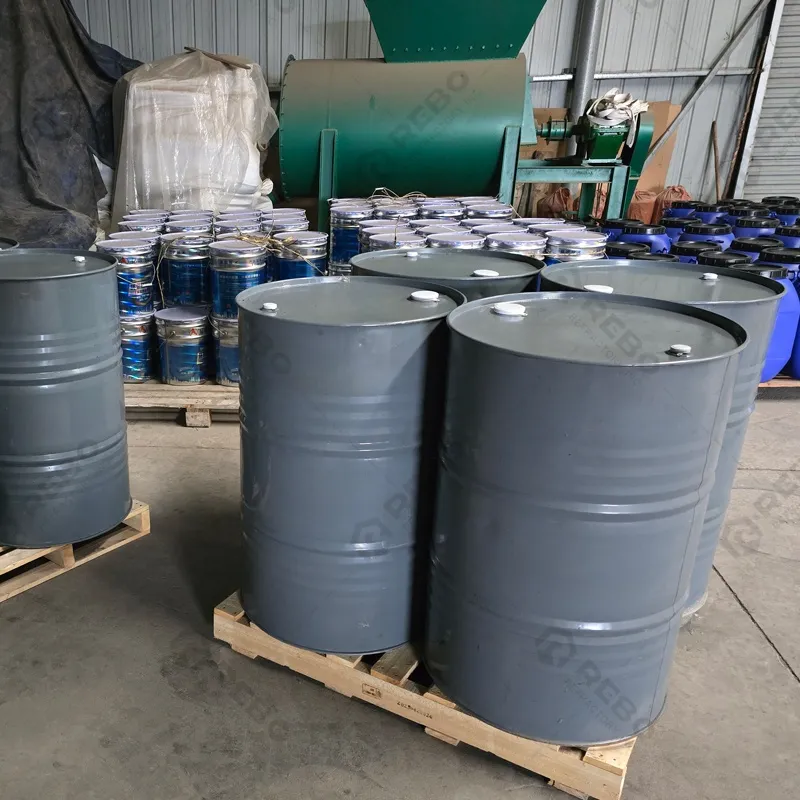

REBO Furan Mortar and Grout Specifications
Furan Mortar Specification:
| Item | Values |
|---|---|
| Density(kg/m³) | 2000 |
| Compressive Strength(MPa)≥ | 70.0 |
| Tensile Strength(MPa)≥ | 6.0 |
| Bonding Strength (MPa)≥ | 2.5 |
| Working Temperature(℃)≤ | 140 |
| Hardening Time(hours)≤ | 12 |
| Anti-penetrability (MPa)≤ | 2.5 |
REBO Furan Resin Grout Specification
| Item | Values |
|---|---|
| Bulk Density | 1.7 g/cm3 |
| Compressive strength | 50 MPa |
| Tensile strength | 5.0 MPa |
| Adhesive strength to carbon bricks | 3.0 MPa |
| Maximum temperature | 180 °C |

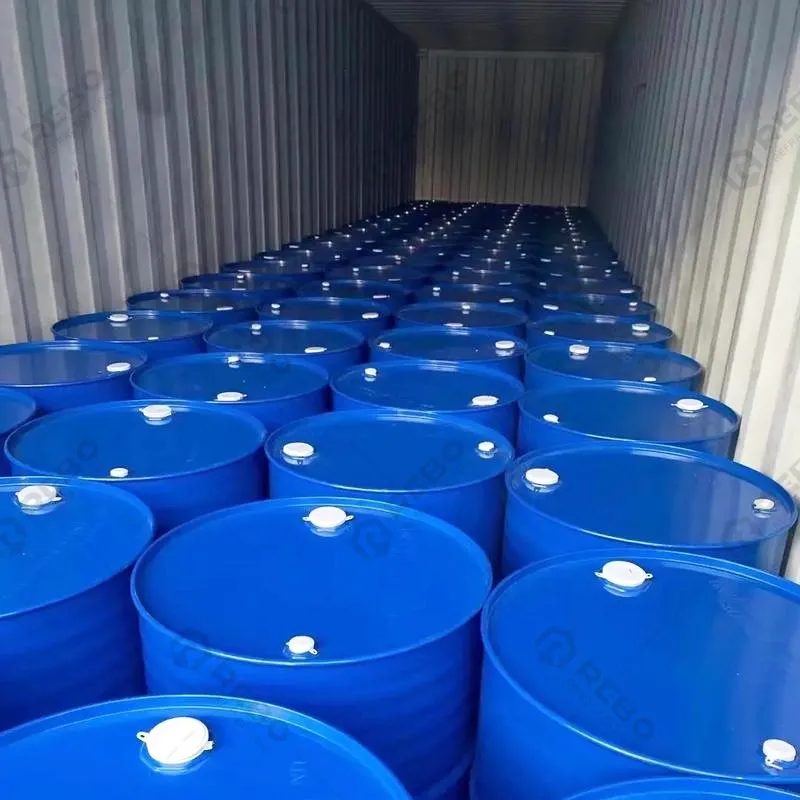
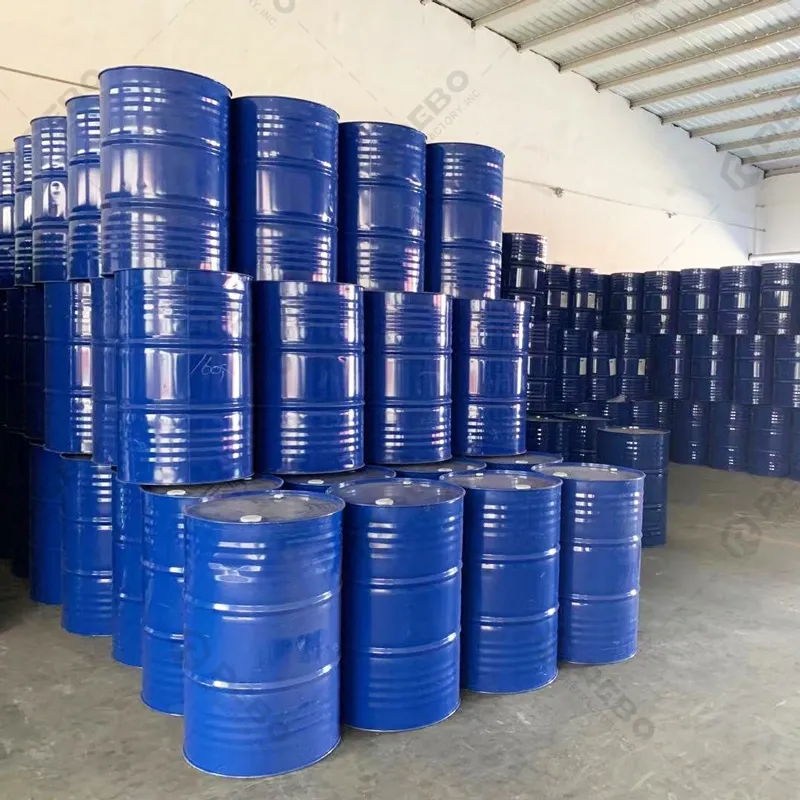
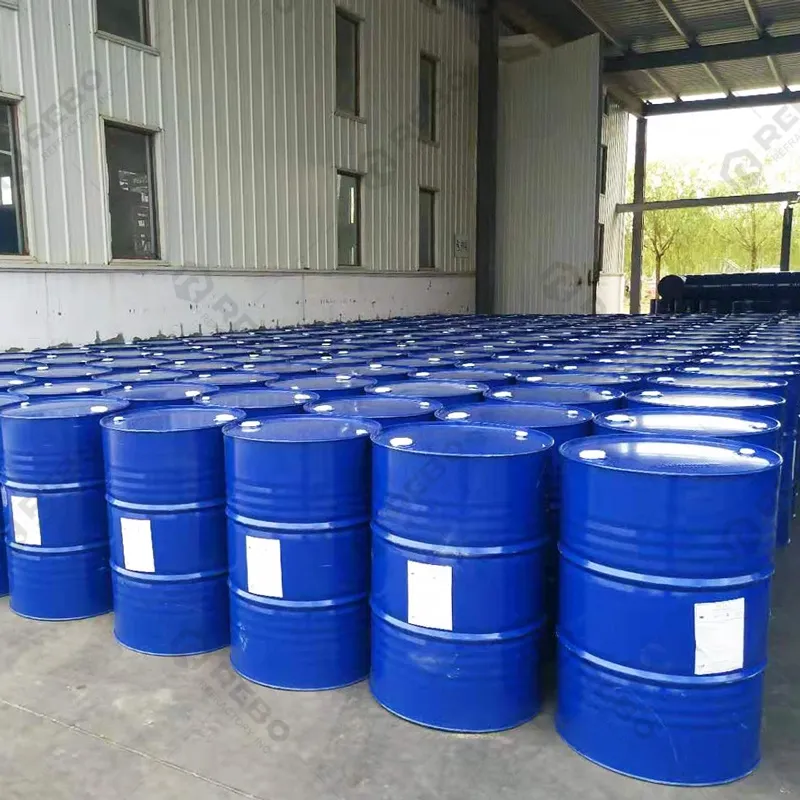

Furan Mortar VS Epoxy Resin VS KP1 Mortar
| Material | Furan Mortar | Epoxy Resin | KP1 Mortar/Water Glass Mortar |
|---|---|---|---|
| Key Strengths | • Resists both strong acids & alkalis. • Excellent organic solvent resistance. • Fast curing speed. |
• Strongest adhesion (prevents brick debonding). • Outstanding mechanical strength & impact resistance. • Excellent resistance to alkalis & dilute acids. |
• Ultra-high temperature resistance (up to 1000°C).• Superior resistance to concentrated sulfuric/nitric acid & aqua regia. |
| Limitations / Do Not Use In | • Limited temperature resistance (140°C). • Vulnerable to concentrated nitric/sulfuric acid. • Strong odor during application. |
• Lowest temperature limit (~80°C). • Poor resistance to concentrated/oxidizing acids. • Requires a strictly dry application surface. |
• Hydrolyzes/fails easily when exposed to alkalis or water.• Brittle texture with lower binding strength.• Slower curing process. |
| Typical Applications | Acid brick lining and joint grouting for chemical tanks, neutralizing pits, acid trenches, and reactors. | Heavy-duty industrial flooring, concrete primers, high-strength base coatings, and Epoxy FRP linings. | Linings for high-temperature industrial kilns, chimneys, exhaust flues, and hot concentrated acid storage tanks. |

Proven Performance Worldwide
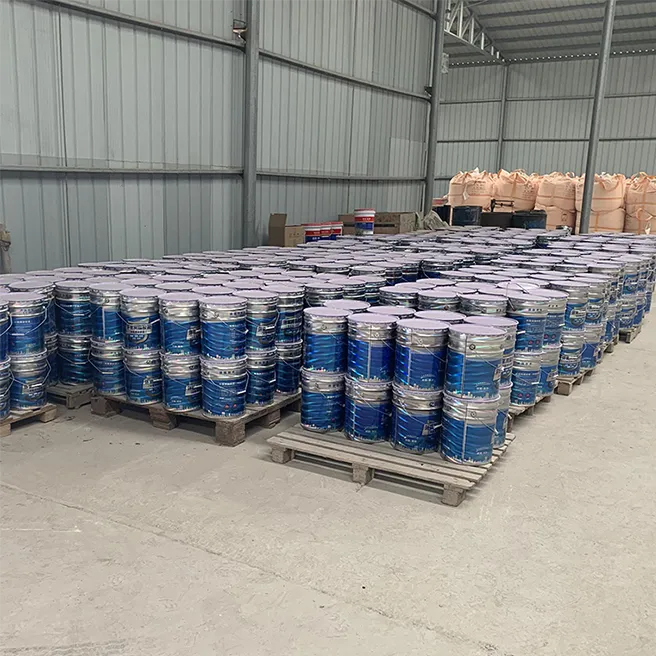
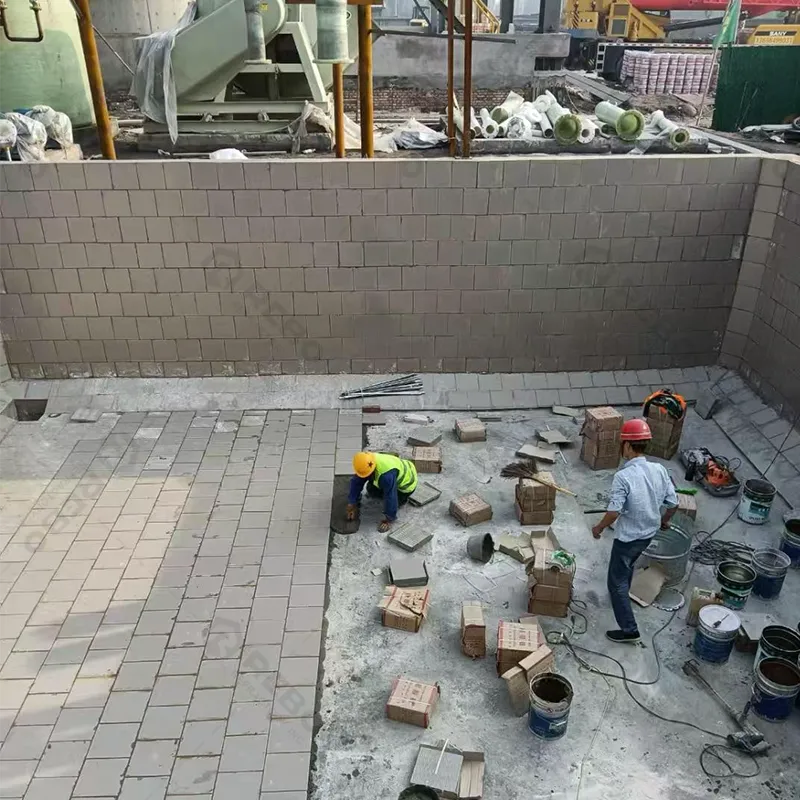
REBO doesn’t just export products. REBO exports textbook-standard reliability. This unwavering commitment to quality has made our advanced furan systems the trusted choice across a vast international network, with robust shipping data and recurring orders from industrial powerhouses in Colombia, Algeria, Morocco, Saudi Arabia, Qatar, South Korea, and Vietnam. In these demanding global markets, heavy-industry operators consistently pair our furan resin mortar with acid resistant bricks and tiles. This perfect material synergy has delivered flawless, leak-proof results, outstanding thermal stability, and maximum wear resistance in critical pickling tanks, chemical flooring, and high-temperature chimneys worldwide.

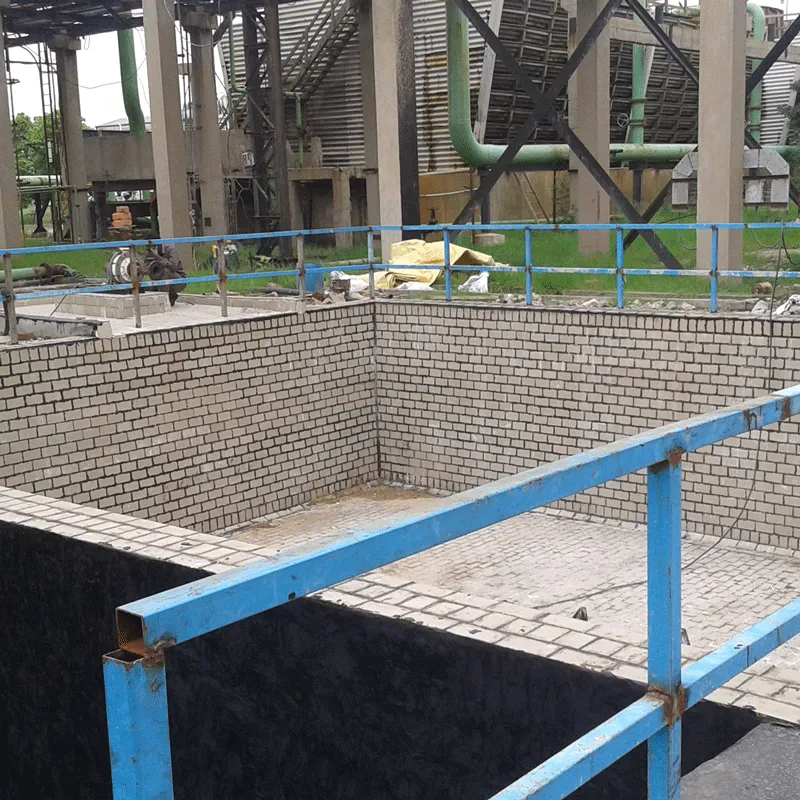

Key Features of Furan Resin Cement
It successfully withstands both highly concentrated acids and strong alkaline mediums.
Excellent Solvent Resistance
It remains completely immune to aggressive organic solvents, alcohols, and ketones.
High Thermal Stability
It maintains robust structural integrity in continuous heat environments up to 140°C.
It achieves full operational mechanical strength quickly under standard field conditions.
Low Hardening Shrinkage
It ensures excellent dimensional stability and prevents cracking when mixed properly.
Superb Bonding Strength
It provides unyielding adhesion when anchoring heavy-duty acid bricks and tiles.
Where Furan Resin Grout Works Best
In global anti-corrosion engineering, quality relies on hard data, not spoken promises. REBO acid resistant tiles are trusted by over a hundred major enterprises worldwide because REBO strict quality control is fully backed by world-class certifications.
Metallurgical & Steel
Where it works: Pickling lines, acid recovery tanks, wastewater treatment pools, storage tank foundations, and plant floor drainage trenches.
How to pair it: Combine it with acid-resistant tiles or granite slabs for heavy-duty brick bedding, and use an epoxy primer underneath to shield the concrete base.
Petrochemical & Chemical
Where it works: Chemical reactor linings, acid recovery tanks, wastewater treatment pools, storage tank bases, neutralizing pits, and chemical floor trenches.
How to pair it: Mix it with fiberglass cloth to build durable Furan FRP linings, or use it directly to bond high-alumina acid bricks and various masonry blocks.
Power Plant & Fertilizer
Where it works: Desulfurization flues, chimney internal linings, coal trenches, and chemical fertilizer workshop flooring exposed to harsh chemical leaks.
How to pair it: Pair it with lightweight acid bricks or ceramic pipes in hot flue gas areas to handle aggressive acid-alkali thermal cycling.
Non-Ferrous Smelting
Where it works: Thickeners, purification tanks, leaching tanks, slurry tanks, electrolysis cells (copper/nickel/zinc), and gas purification systems.
How to pair it: Pair it with thick granite slabs or heavy-duty acid tiles to withstand the dual impact of heavy industrial loads and strong chemical flush.
Hydrometallurgy & HF
Where it works: Hydrofluoric acid (HF) extraction tanks, industrial pickling equipment, and cyclic acid-alkali neutralizing reactors under harsh conditions.
How to pair it: Combine it specifically with carbon or graphite powder instead of silica powder to prevent HF from dissolving the mortar matrix.
Pharmaceutical & Fine Chemical
Where it works: Clean anti-corrosion floors, solvent storage areas, specialized sulfuric acid workshop flooring, and highly regulated drainage lines.
How to pair it: Layer it with vinyl ester or epoxy mortars to create a multi-layer barrier, using furan grout as the top joint-grout face to resist harsh solvents.
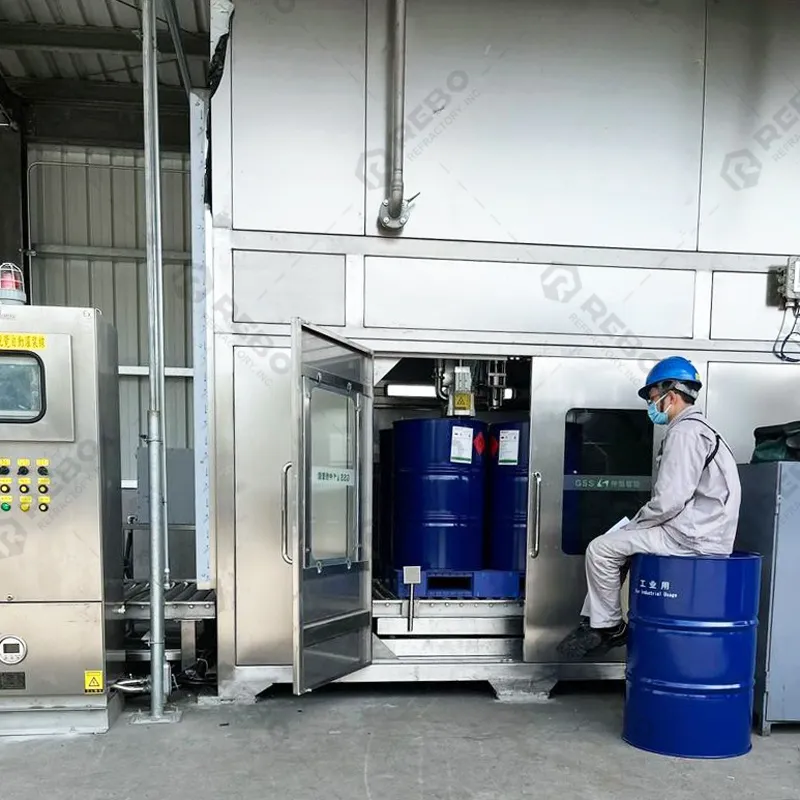
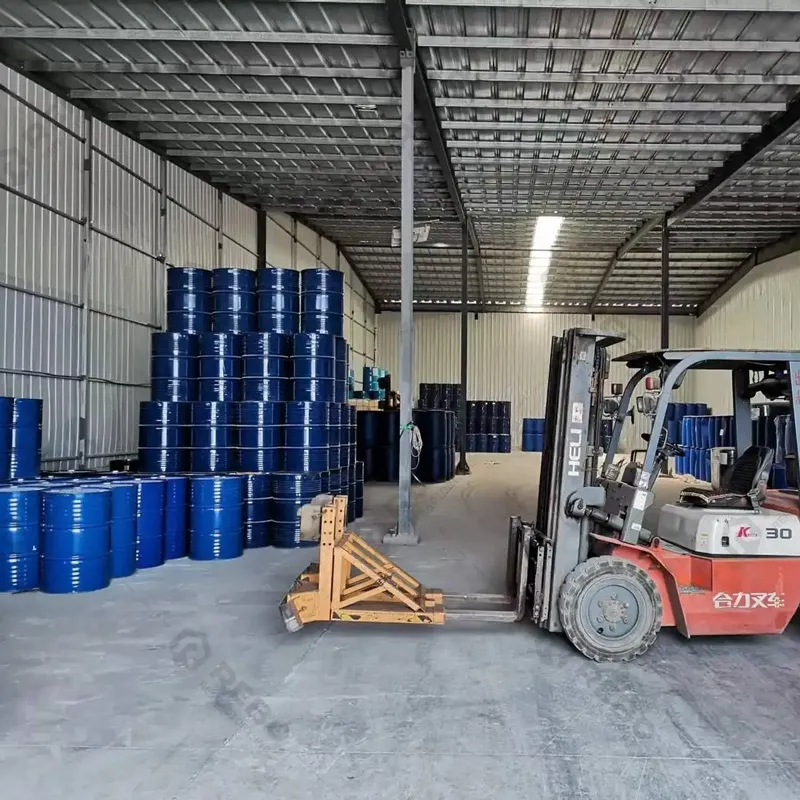
Strong Supply Capabilities of Furan Resin Mortar
REBO Service Commitment
Pre-Sales Services
Advanced Formulation Customization
REBO avoids generic formulas by fine-tuning mortar mixtures for your project’s climate and media. We engineer slow-setting formulas for hot climates like the Middle East, fast-curing types for cold European sites, and substitute standard silica fillers with custom carbon powder to resist harsh hydrofluoric acid (HF).
Pre-Proportioned Sampling & Testing
REBO delivers standard resin liquids and functional aggregates to overseas prospective buyers before any bulk contract is signed. Every sample kit includes our professional 1:3 weight ratio mixing guidebook, allowing your engineering staff to run accurate curing, bonding, and compression tests inside your local laboratory or job site.
In-Sales Services
One-Stop Anti-Corrosion System Matching
REBO streamlines complex procurement by combining our furan liquids and pre-mixed mortars into one comprehensive delivery package. Utilizing our industrial supply chain strength, we supply matching heavy-duty acid bricks, natural granite slabs, and underlying epoxy or vinyl ester primers, enabling complete Full Container Load (FCL) shipping.
Comprehensive Global Trade Compliance
REBO prepares specialized logistics paperwork that matches strict international hazardous and non-hazardous shipping regulations. Every single cargo export includes updated, standard English MSDS/SDS sheets, Technical Data Sheets (TDS), official maritime transport certificates, and third-party validation reports certified by recognized institutions like SGS.
After-Sales Services
24/7 Technical Support & Field Guidance
REBO provides detailed English training videos, on-site mixing charts, and troubleshooting manuals to prevent job site installation errors. For massive infrastructure projects, our senior chemical engineers offer around-the-clock video consultations to guide your crews through proper mixing, brick bedding, and joint-grouting processes.
Flexible OEM Production & Custom Branding
REBO supports global distributors and regional chemical brands by providing tailored private-label manufacturing solutions. We print your custom logos, specific colors, and regional languages onto aggregate bags and liquid steel drums, finishing every shipment with reinforced export pallets and moisture-proof stretch wrapping.
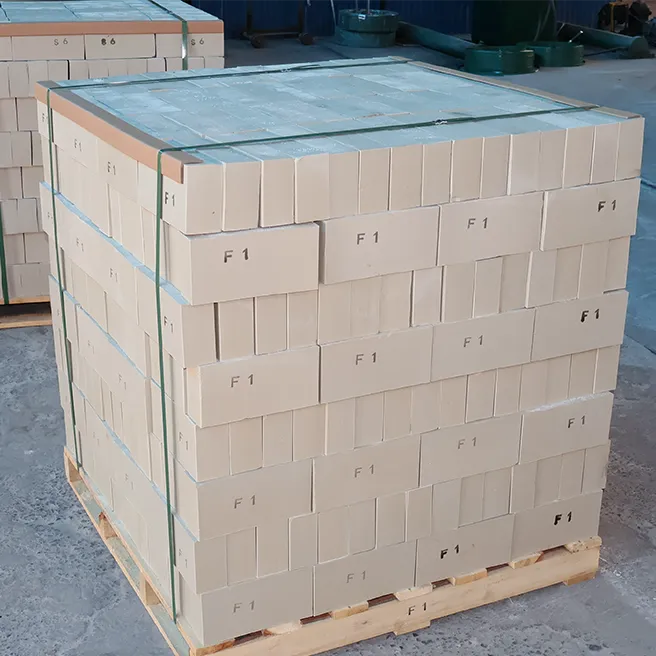
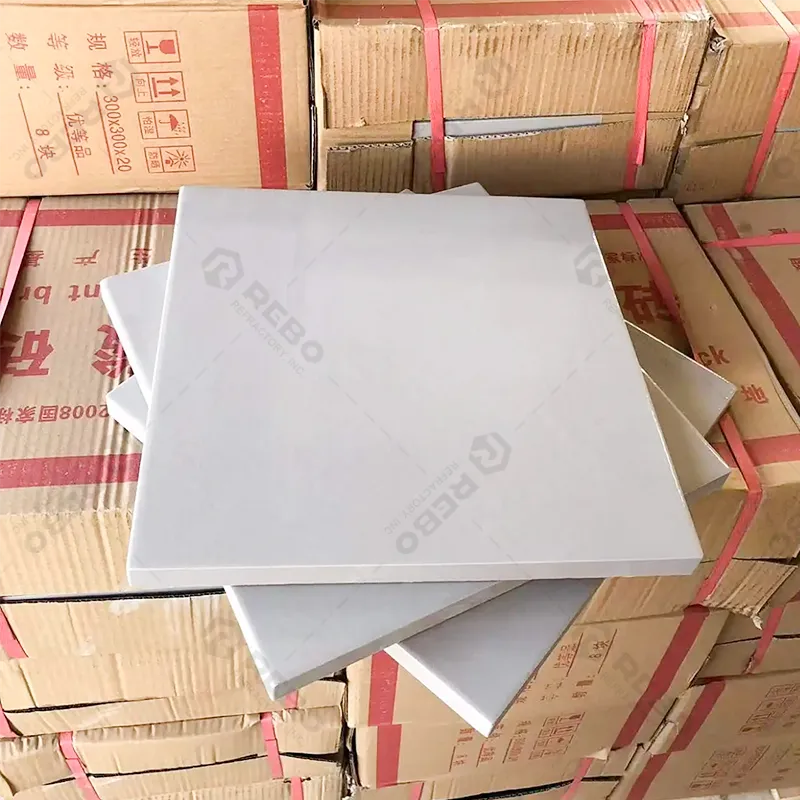
Products Frequently Paired With Acid Resistant Tiles


FAQs of Furan Resin Mortar
Q: What Is Preparation of Installing Furan Resin Mortar?
Control the Environment: Maintain a clean, dry work area between 15°C and 30°C with relative humidity below 80%.
Mix in Small Batches: Stir the furan liquid and powder evenly. Prepare only 2–3 kg per batch to prevent early hardening.
Observe the Time Limit: Use all mixed mortar within 40 minutes. Reduce the batch size if temperatures exceed 30°C.
Never Remix or Add Additives: Do not add extra curing agents or add more liquid to remix once the mortar begins to stiffen.
Q: How Do I Install Acid-Resistant Bricks with Furan Mortar?
Inspect Material Quality: Use clean, dry acid bricks that strictly match your project specifications and meet official quality standards (such as GB T/8488-2008).
Prepare the Environment: Maintain an installation area between 15°C and 30°C with humidity under 80%. Use indirect heating if the temperature drops below 10°C.
Execute Precise Masonry: Stagger all brick joints by at least 1/3 to 1/2 of the brick width, keeping the surface height alignment variance below 1mm.
Apply Dense Mortar: Keep your mixing tools perfectly clean, apply the furan mortar firmly to ensure zero voids, and use all mixed batches within 30 minutes.
View some YouTube videos to see the process.
Q: What safety measures are required during installation?
Worker Training & PPE: All personnel must pass safety training before entering the site. Workers must wear mandatory safety helmets and appropriate footwear, and utilize full gas masks when working in hazardous gas environments.
Fire & Explosion Prevention: Smoking and open flames are strictly prohibited anywhere near the construction area. All flammable materials must be stored in designated zones, and proper fire-fighting equipment must be kept nearby.
Site Ventilation & Weather: Ensure the work site remains continuously well-ventilated to control organic solvent vapors. Stop all installation immediately if ambient wind speeds exceed Level 5 (fresh breeze).
Equipment & Electrical Safety: Assign certified operators to heavy machinery and keep precise inspection records. Ensure all electrical lines are safely grounded, properly illuminated at night, and fully compliant with national safety codes.
Q: What Tools and Equipment Are Required for Installation?
Power & Lighting: Distribution boxes, electrical cables, and high-intensity site lighting tools.
Heavy Equipment: Industrial mixers (for uniform mortar blending) and electric hoists (for material lifting).
Cutting & Grinding: Masonry cutting machines, heavy-duty angle grinders, and replacement blades.
Hand Tools & Clean-up: Traditional brick knives, mixing buckets, and water sprinklers for site preparation.
Q: What Types of Acids Can Furan Cement Resist?
Inorganic Acids: Highly effective against hydrochloric acid, sulfuric acid, and phosphoric acid.
Organic Acids: Excellent resistance to acetic acid and the vast majority of corrosive organic acids.
Alkalis & Solvents: Highly stable when exposed to aggressive alkaline solutions and industrial solvents.