Solutions for REBO Magnesia Refractory Bricks
Application-specific Expertise
Solutions are tailored to each use case (converters, ladles, rotary kilns), accounting for slag composition, tapping frequency, and thermal load.
End-to-end Technical Support
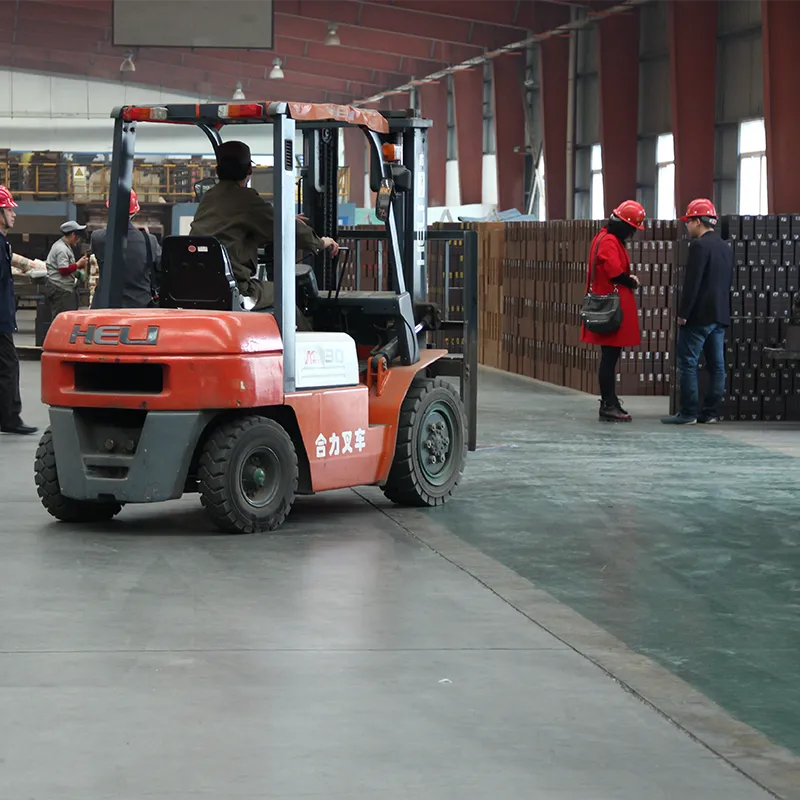
From initial specification to on-site guidance, backed by direct factory supply and rigorous batch-level quality control.
Measurable Operational Value
Engineered lining strategies deliver longer campaigns, reduced downtime, and lower total refractory costs per heat.
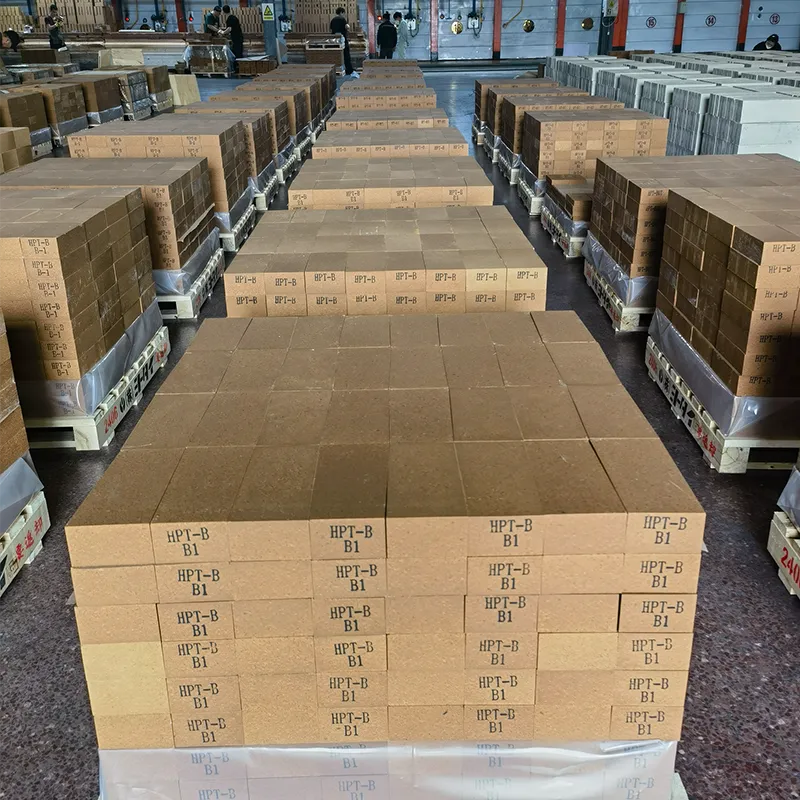
Specification of Magnesia Refractory Bricks
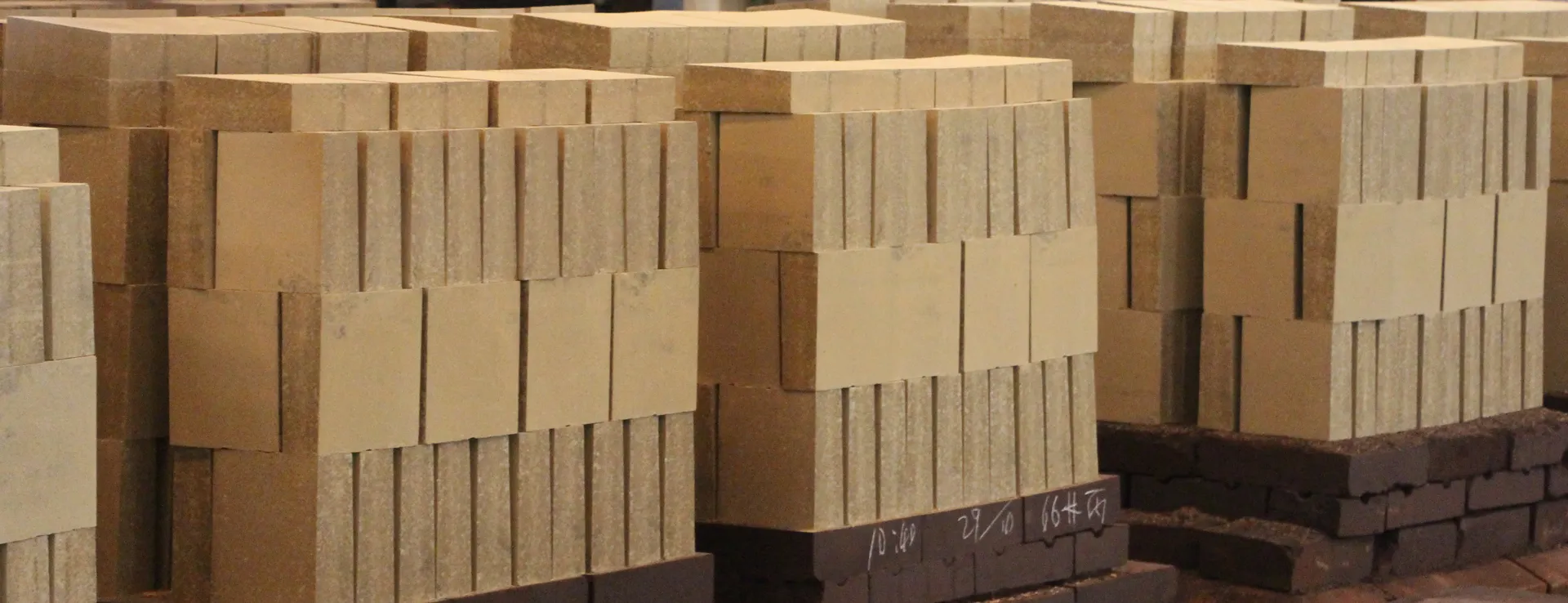
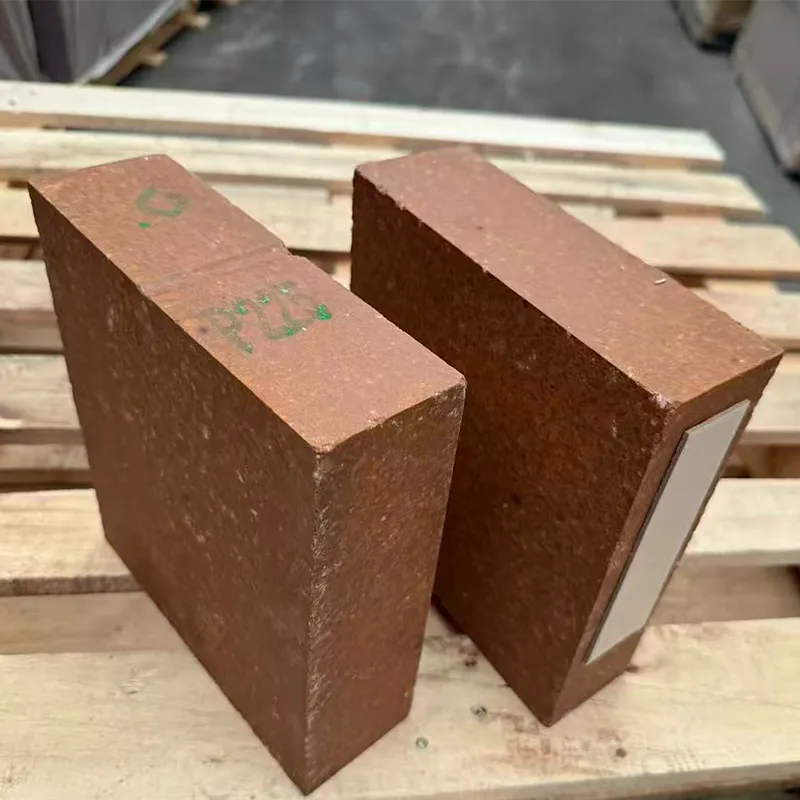
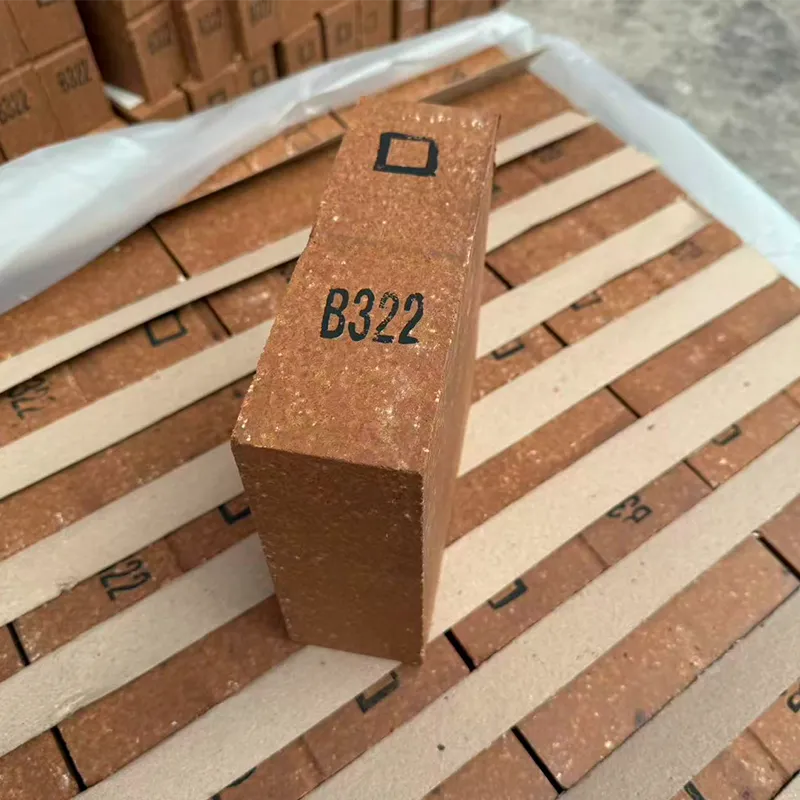
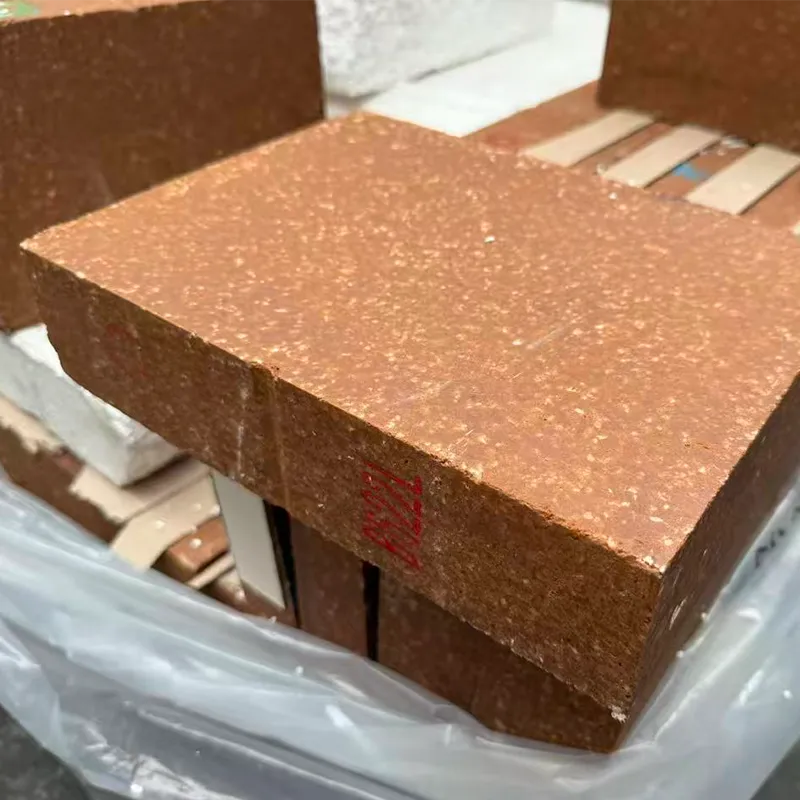
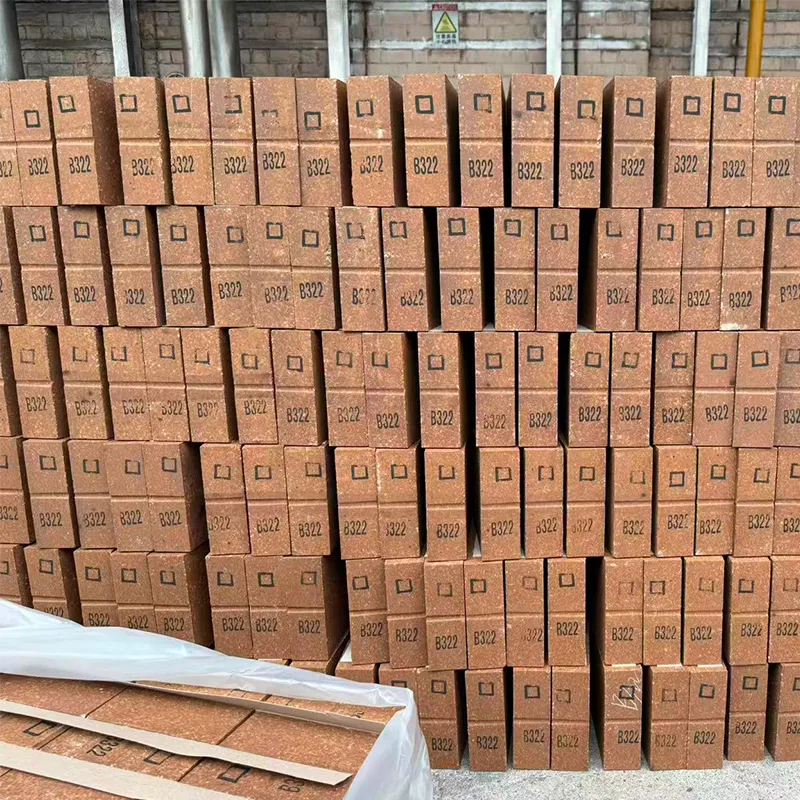
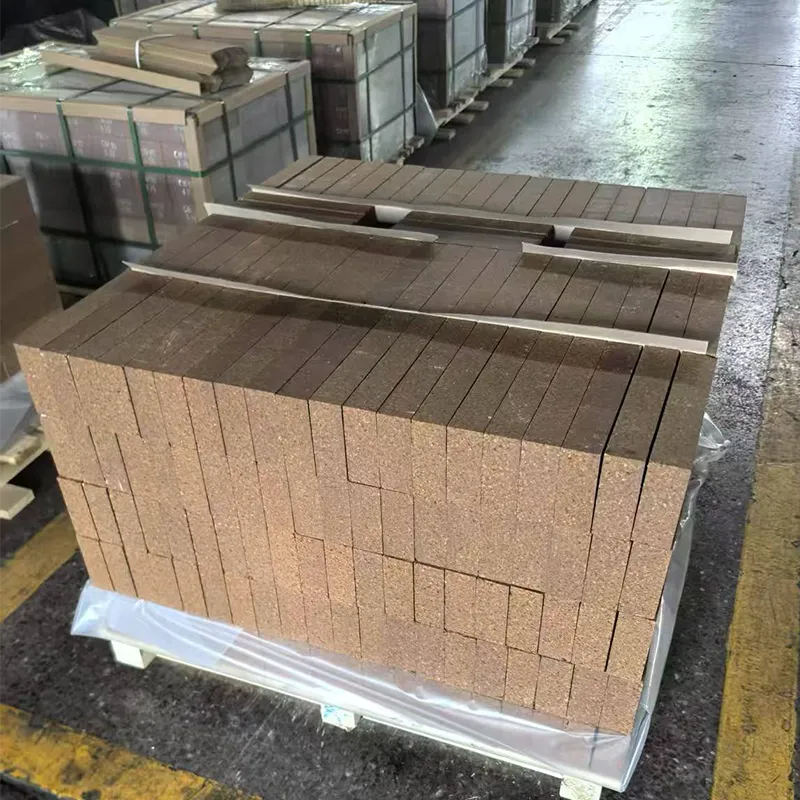
Ordinary magnesia bricks are produced by crushing and grading high-purity sintered magnesia clinker, mixing and pressing into shape under high pressure, then firing at temperatures between 1550°C and 1650°C in a tunnel kiln to form a dense, direct-bonded periclase structure. Please see the following chemical and physical specifications of refractory fire bricks.
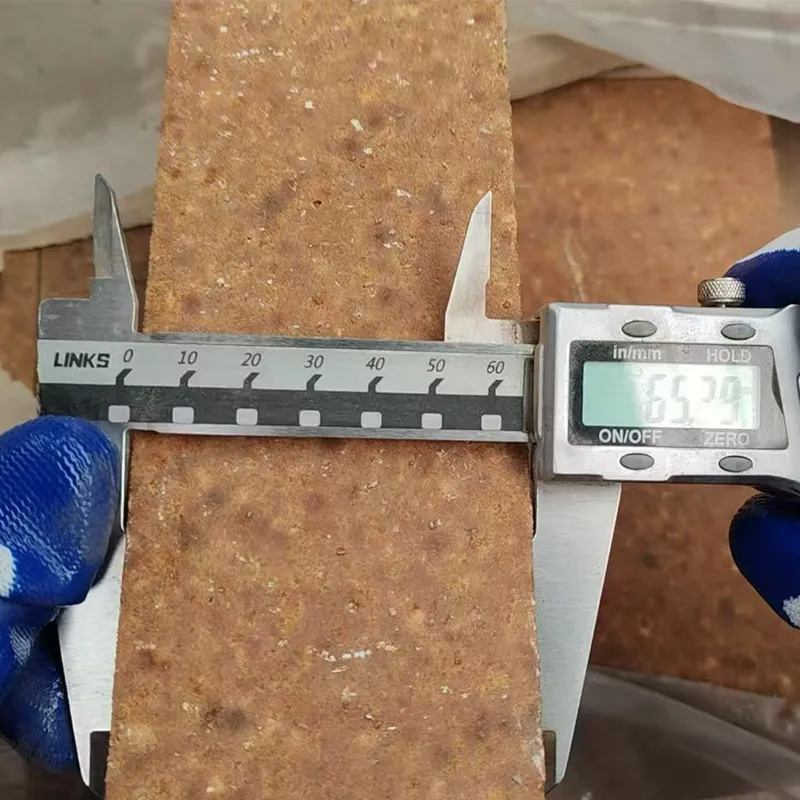
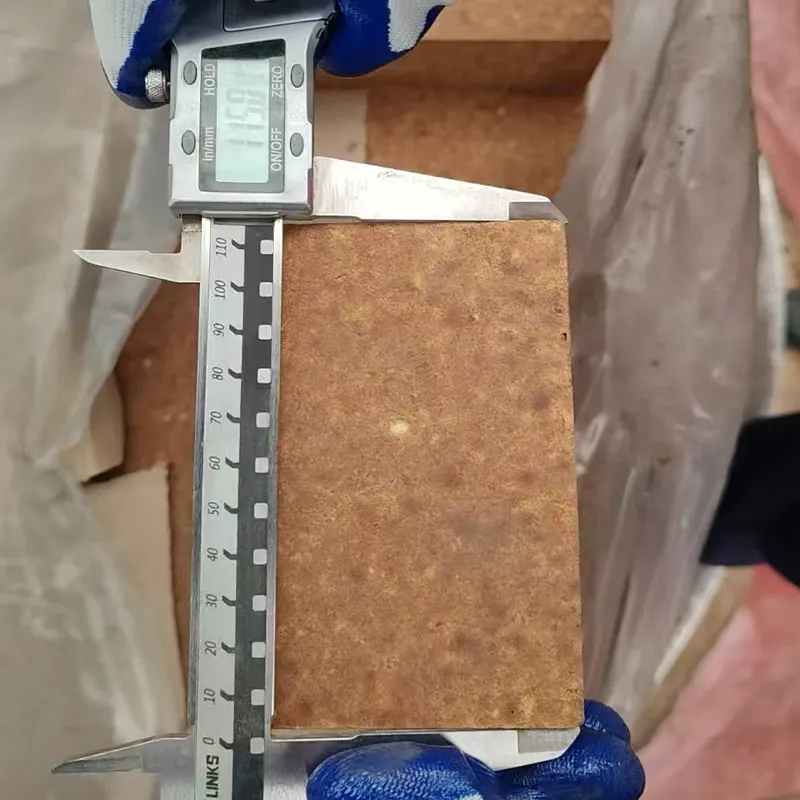
Besides, the standard size is 230*114*65mm. T series are also popular shapes for customers to choose.
| Item | M-98 | M-97A | M-97B | M-95 | M-91 | |
|---|---|---|---|---|---|---|
| MgO, % | ≥ | 97.5 | 97.0 | 96.5 | 95.0 | 91.0 |
| SiO2, % | ≤ | 1.00 | 1.20 | 1.50 | 2.00 | / |
| CaO, % | ≤ | / | / | / | 2.00 | 3.00 |
| Apparent Porosity, % | ≤ | 16 | 16 | 18 | 16 | 18 |
| Bulk Density, g/cm³ | ≥ | 3.00 | 3.00 | 2.95 | 2.90 | |
| Cold Crushing Strength, MPa | ≥ | 60 | 60 | 60 | 60 | |
| 0.2MPa Refractoriness Under Load, ℃ | ≥ | 1700 | 1700 | 1650 | 1560 | |
| Permanent Linear Change, % | 1650℃*2h -0.2~0 |
1650℃*2h -0.3~0 |
1600℃*2h -0.5~0 |
|||

Mgo Bricks Types for High-temp Solutions
By Chemical Composition

Magnesia Carbon Brick

Magnesia Chrome Brick
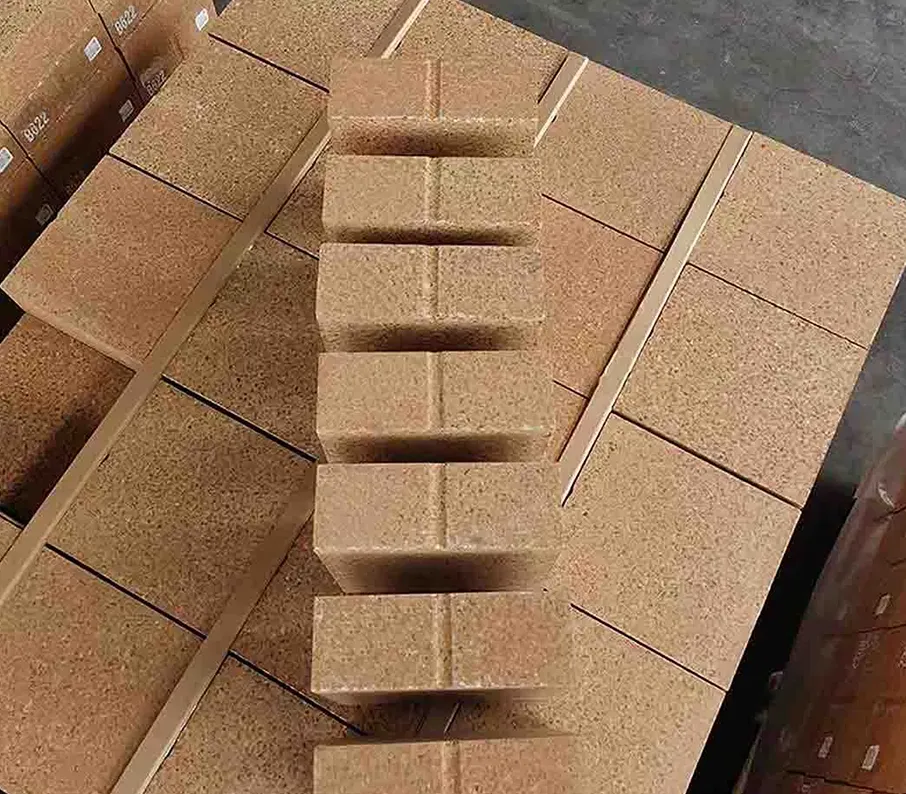
Magnesia Alumina Brick
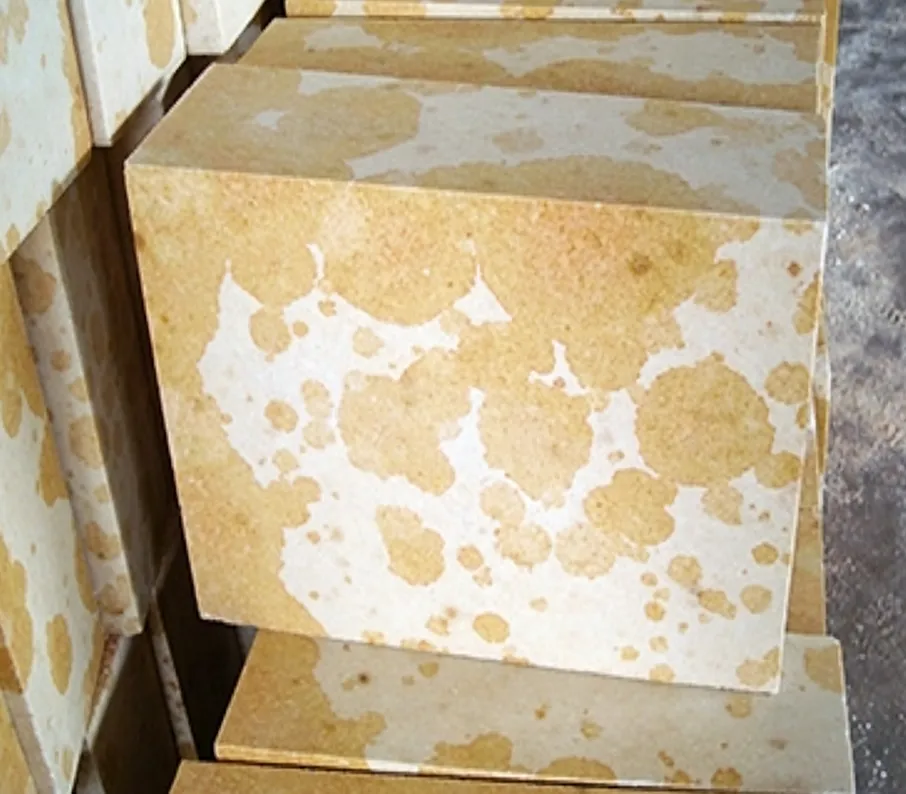
Magnesia Silica Brick

Alumina Magnesia-Carbon Bricks
By MgO Content
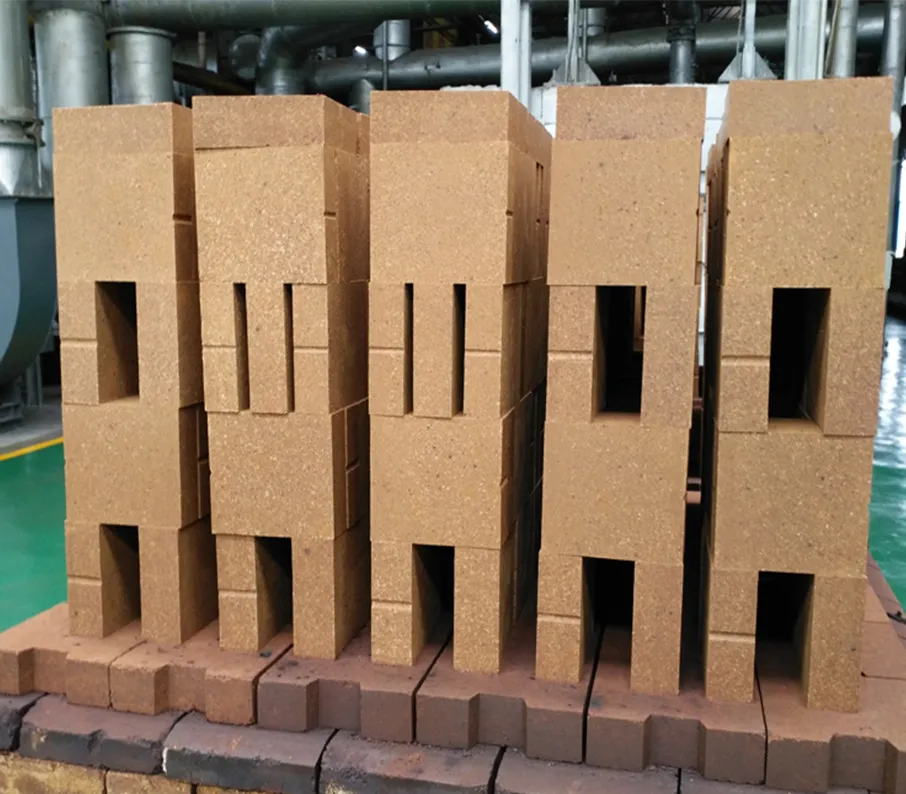
Standard Magnesium Bricks
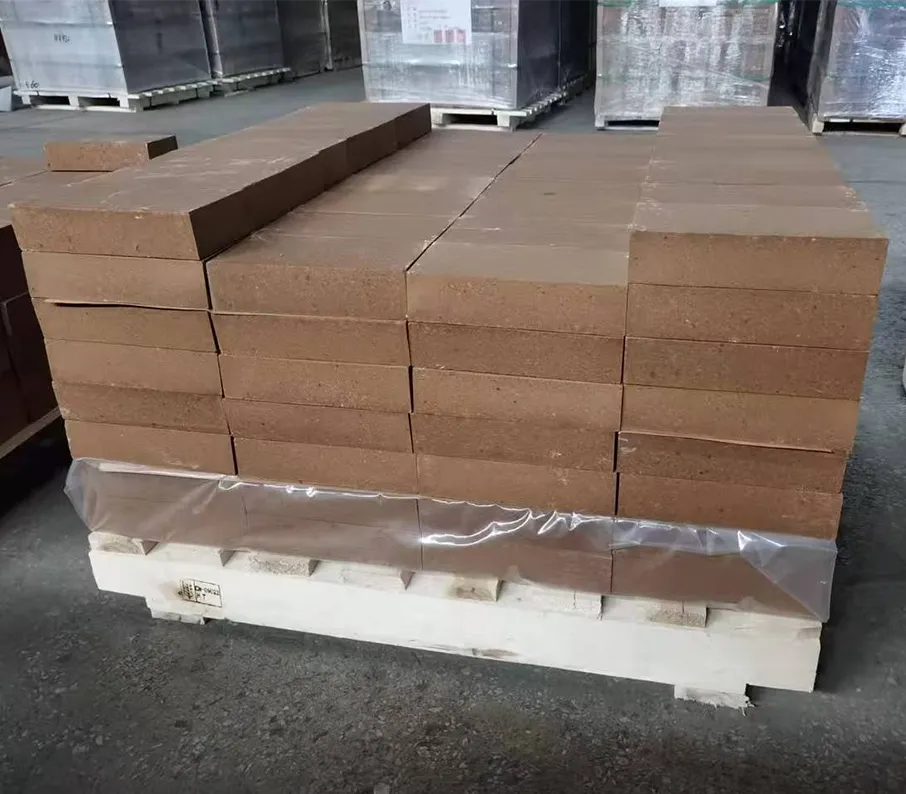
High-Purity Magnesium Oxide Bricks
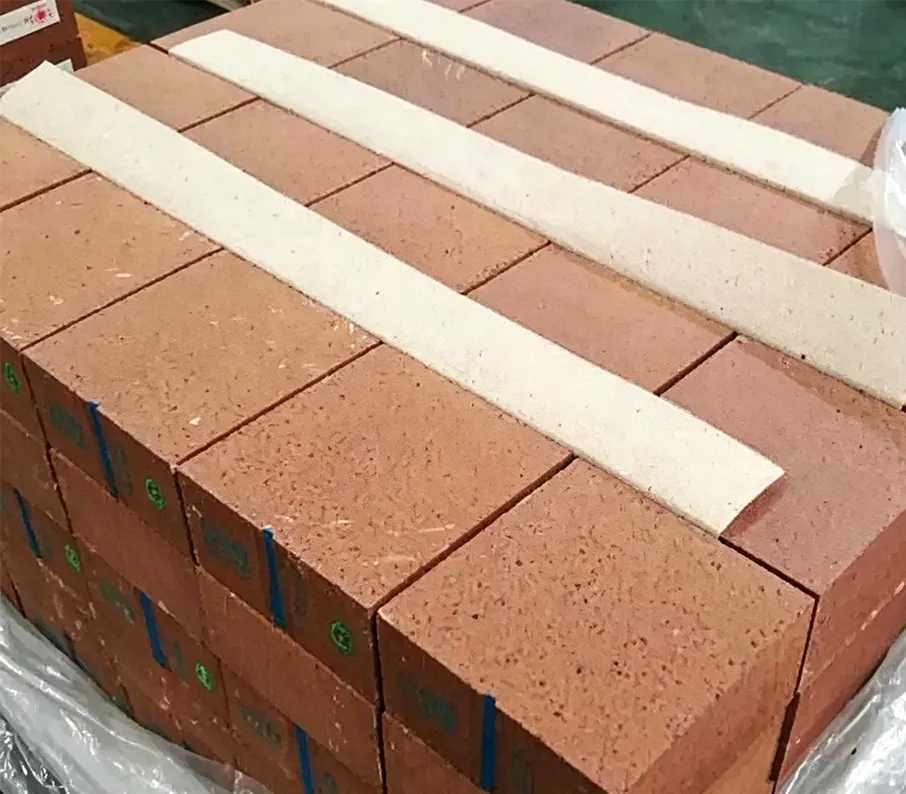
Fused Magnesite Refractory Bricks
Magnesia Bricks Properties
With a melting point exceeding 2800°C, magnesia bricks maintain structural integrity under continuous extreme heat, no deformation, no softening, no failure.
Outstanding Resistance to Basic Slag
Magnesia can absorb large quantities of divalent iron oxide in solid solution at 1700°C without melting, making magnesia brick the material of choice wherever basic slags and iron-rich environments are present.
High Mechanical Strength at High Temp
Hard-fired magnesia bricks form direct solid-solid bonding within their microstructure, delivering high strength at elevated temperatures, capable of withstanding molten metal scouring, mechanical loads, and gas flow erosion.
High Thermal Conductivity
Magnesia brick ranks among the highest in thermal conductivity of all refractory materials, second only to carbon and silicon carbide bricks. This promotes even heat distribution and reduces the risk of localized hot spots.
Low linear change rate at high temperatures means minimal expansion or contraction over long service cycles to maintain size accuracy and structural integrity.
Excellent Alkaline Resistance
As an alkaline refractory material, magnesia brick is fully compatible with basic slag environments and will not undergo the accelerated chemical dissolution that affects acidic or neutral refractories under the same conditions.
Relatively Poor Thermal Shock Resistance
Thermal shock resistance is a known weakness of standard magnesia brick when a liquid phase forms at high temperature, sudden shrinkage can occur. This is typically addressed by introducing composite phases such as graphite or spinel.
Moisture Sensitive
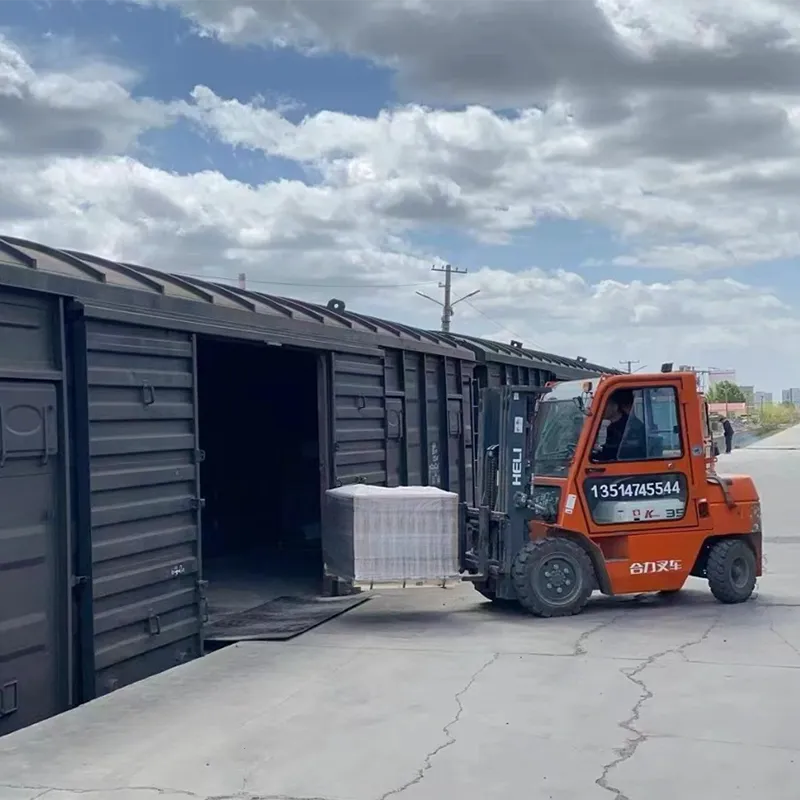
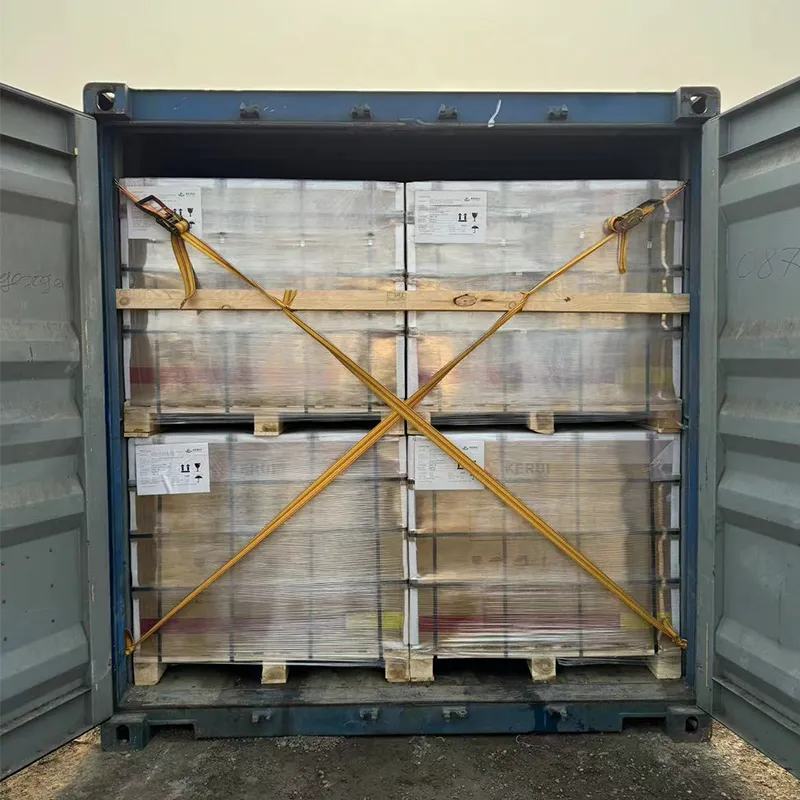
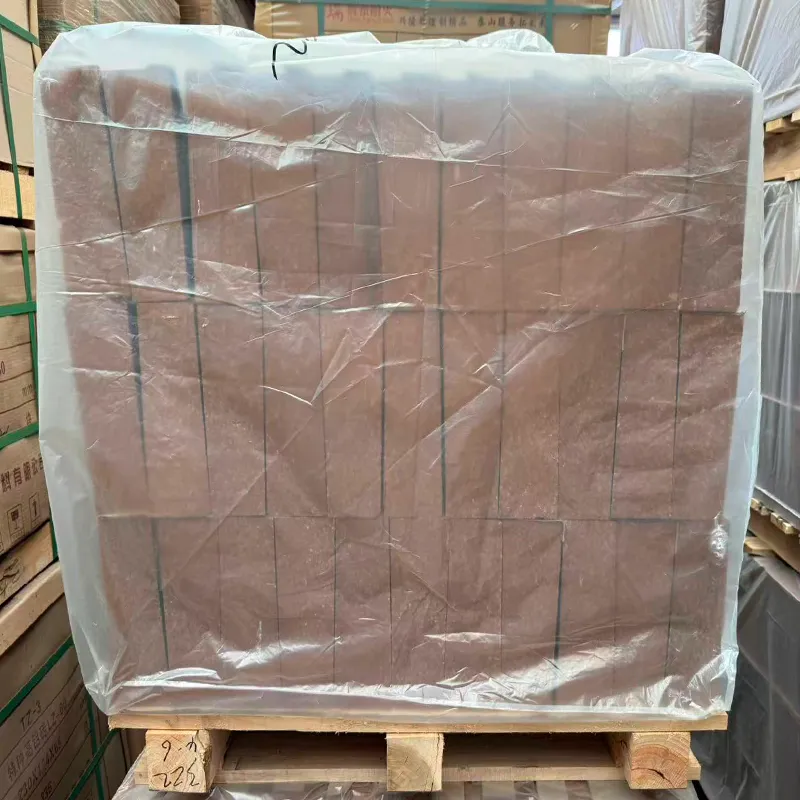
Despite being fired at high temperatures, magnesia bricks retain a degree of hydration susceptibility. Waterproof storage and careful handling during transport are essential to preserve product integrity before installation.
Magnesite Bricks Applications Across Industries

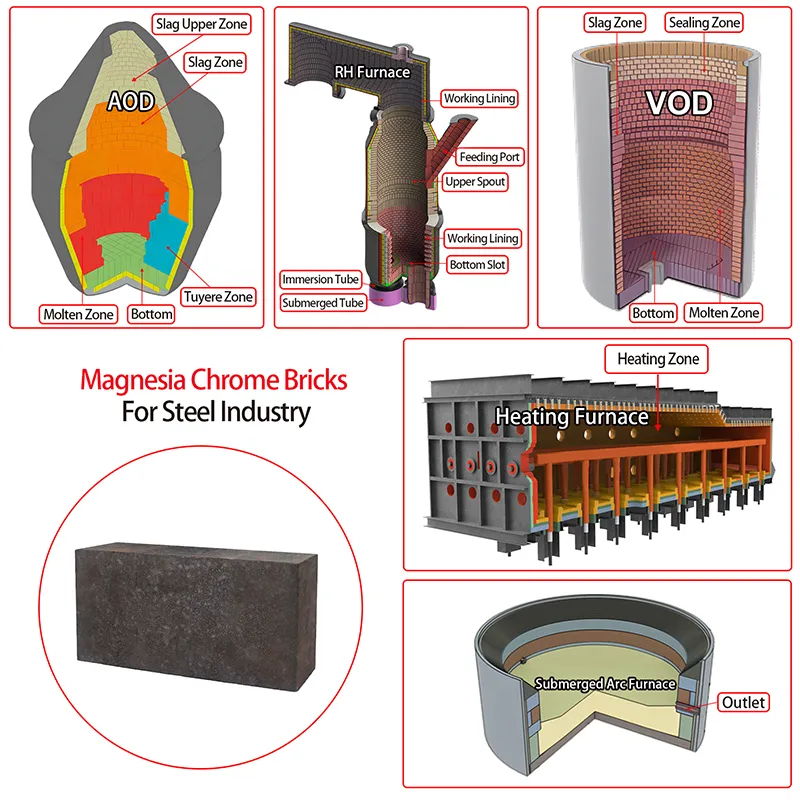
Magnesia Bricks for the Steel Industry
Magnesia bricks line key equipment in iron and steel metallurgy.
In BOFs, they protect the working layer and tap hole from basic slag and thermal shock with refractory castable.
They shield hot spots on walls and roofs from arc heat and slag attack in EAFs.
In ladles and refining furnaces, they reinforce the slag line and wall layer against molten slag erosion.
They strengthen tuyeres, hearths, iron notches, and slag notches under extreme thermal and chemical stress in blast furnaces.
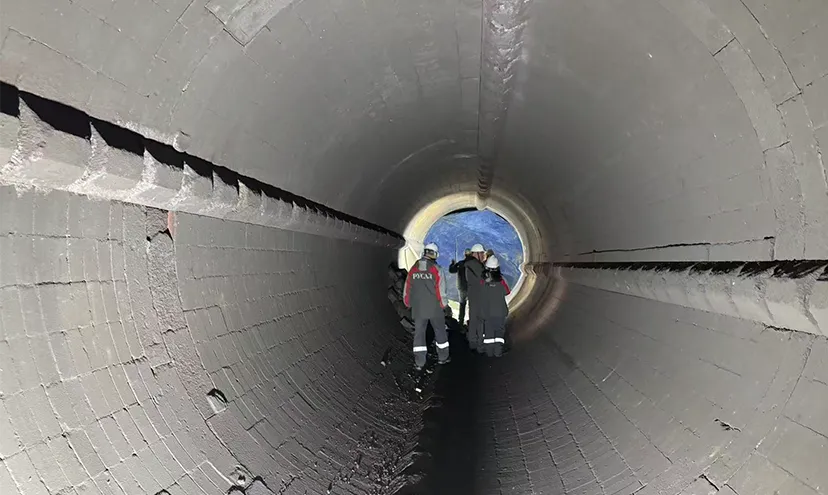
Magnesia Bricks for Cement and Lime Kilns
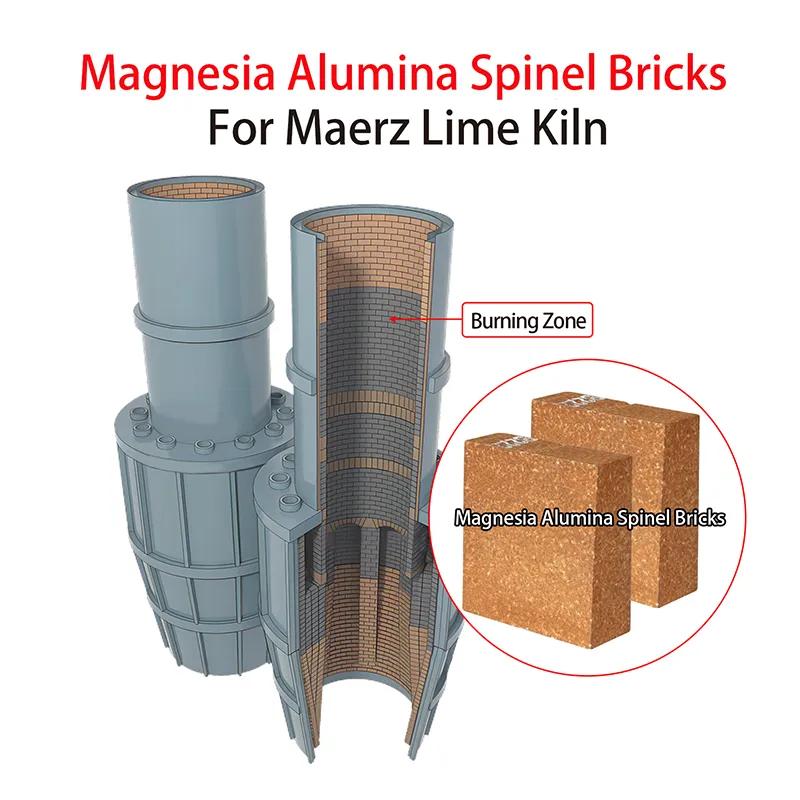
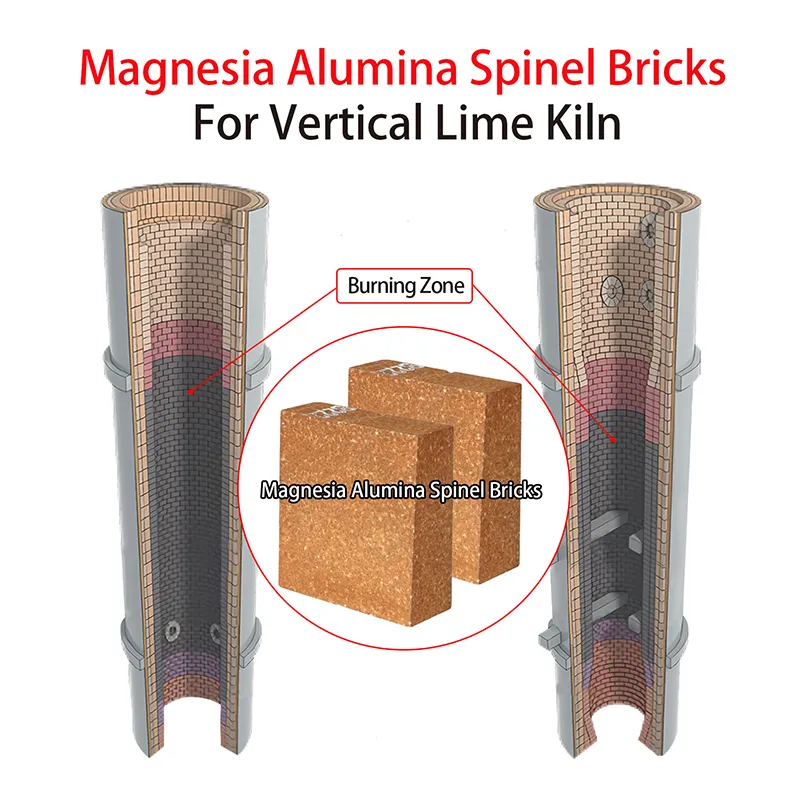
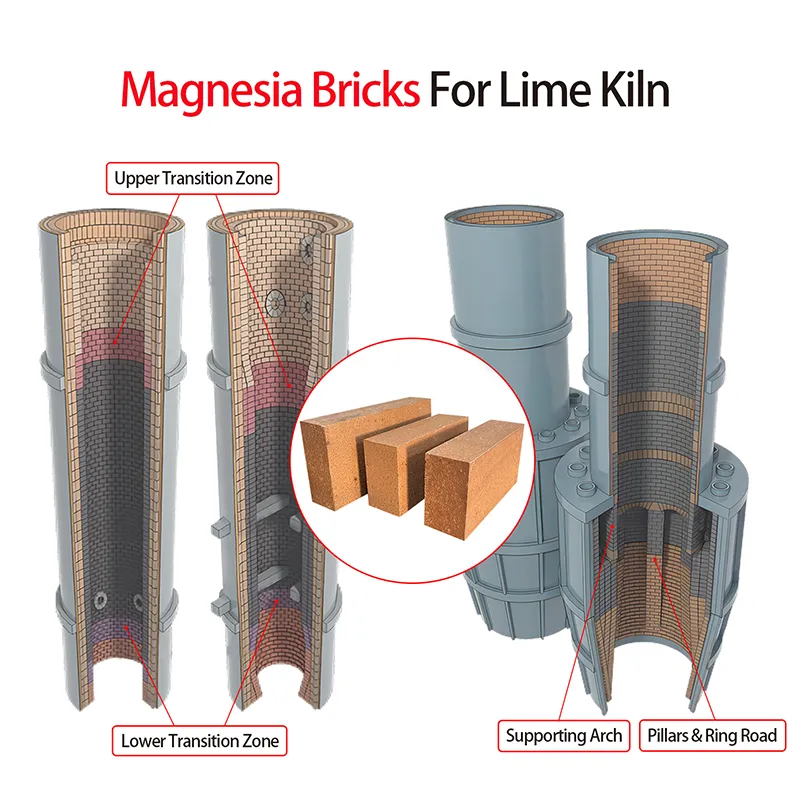
In rotary kilns used for cement and lime production, magnesia bricks are the material of choice for the sintering zone and transition zone the highest temperature sections where clinker formation occurs and thermal cycling is most intense.
They are also applied in the burning zone lining and kiln inlet/outlet areas, where alkali-rich atmospheres and mechanical abrasion from clinker movement place additional demands on refractory performance over extended campaign periods.
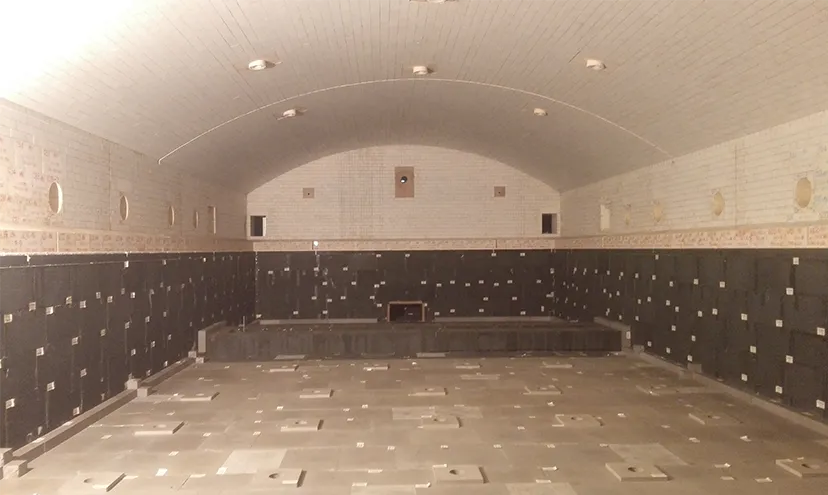
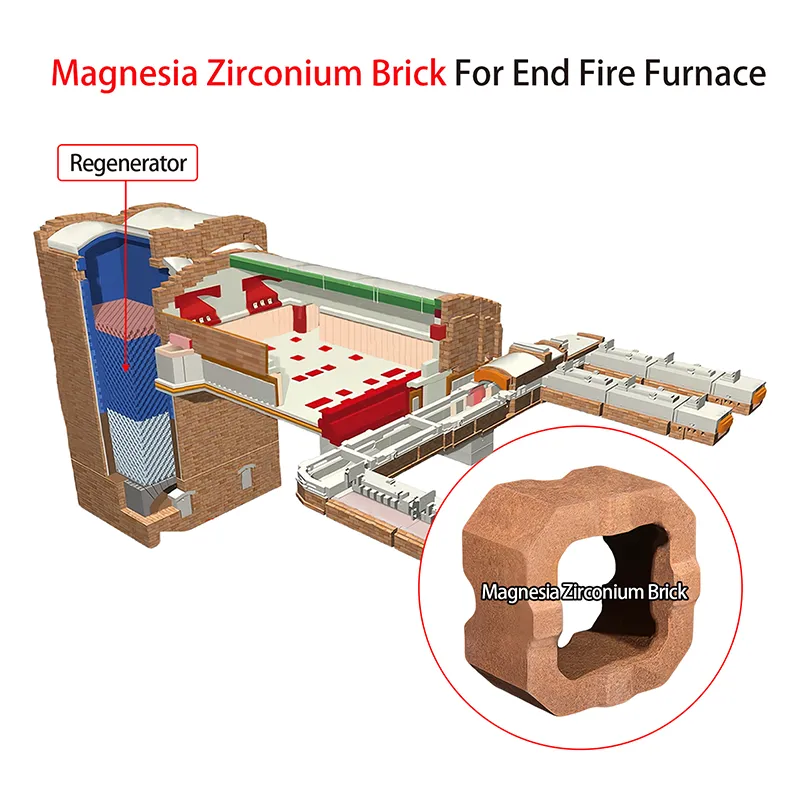
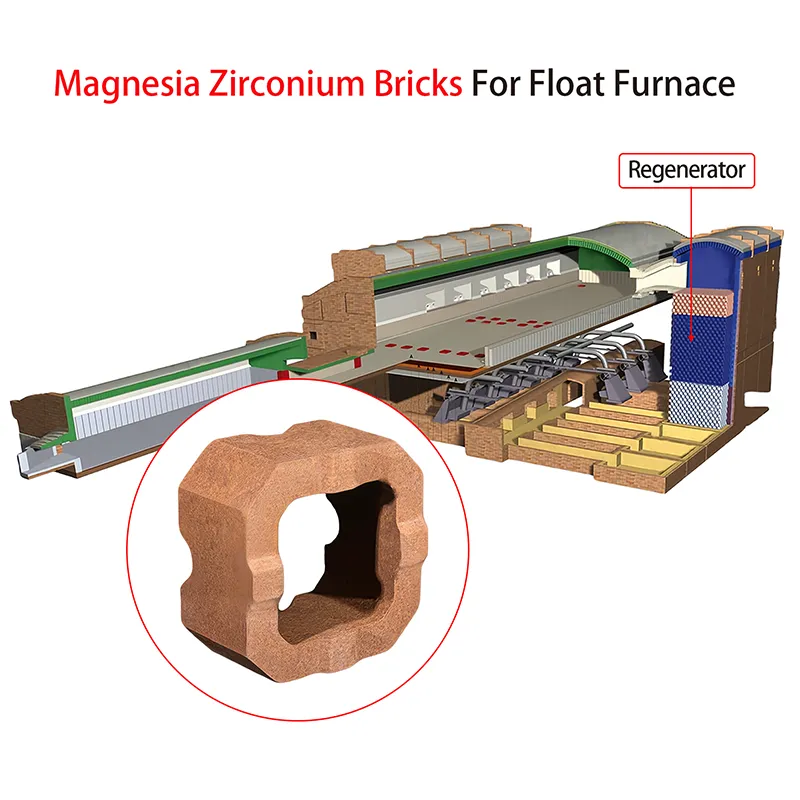
Magnesia Bricks for Glass Kilns
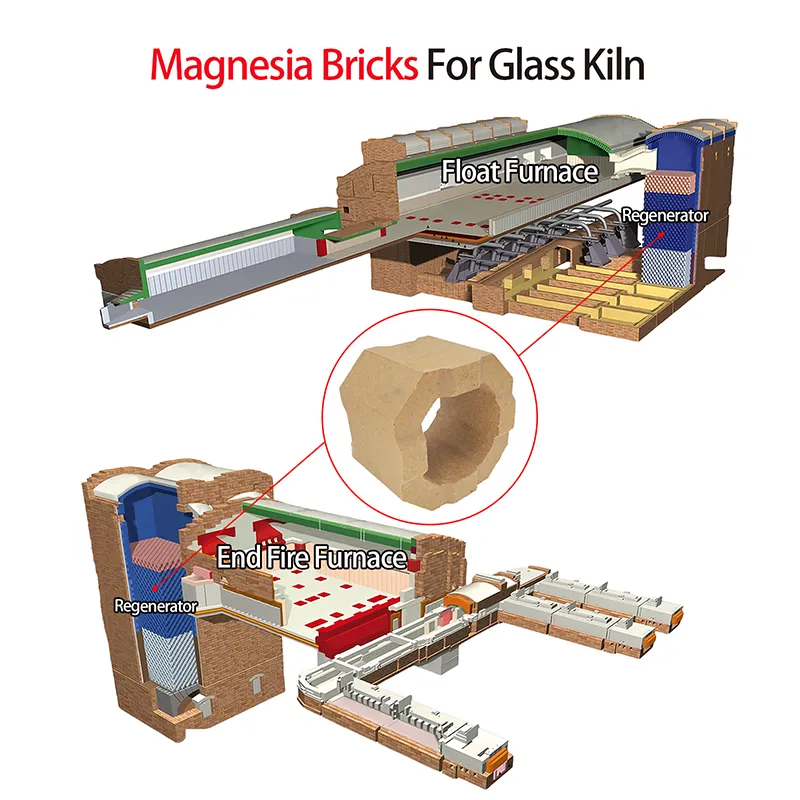
In glass melting furnaces, magnesia bricks are widely used in regenerator checker brickwork and the upper regenerator chamber walls, where temperatures reach up to 1,750°C. They are also applied in the port necks and flue gas passages, where alkali vapour condensation and thermal cycling combine to accelerate lining degradation in conventional materials.

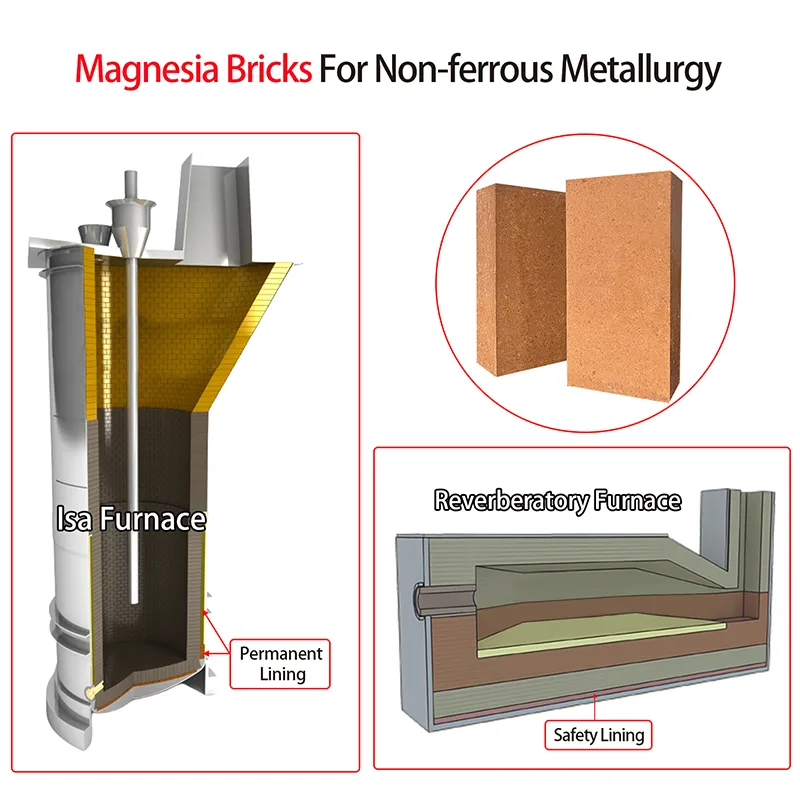
Magnesia Bricks for the Non-Ferrous Metals Industry
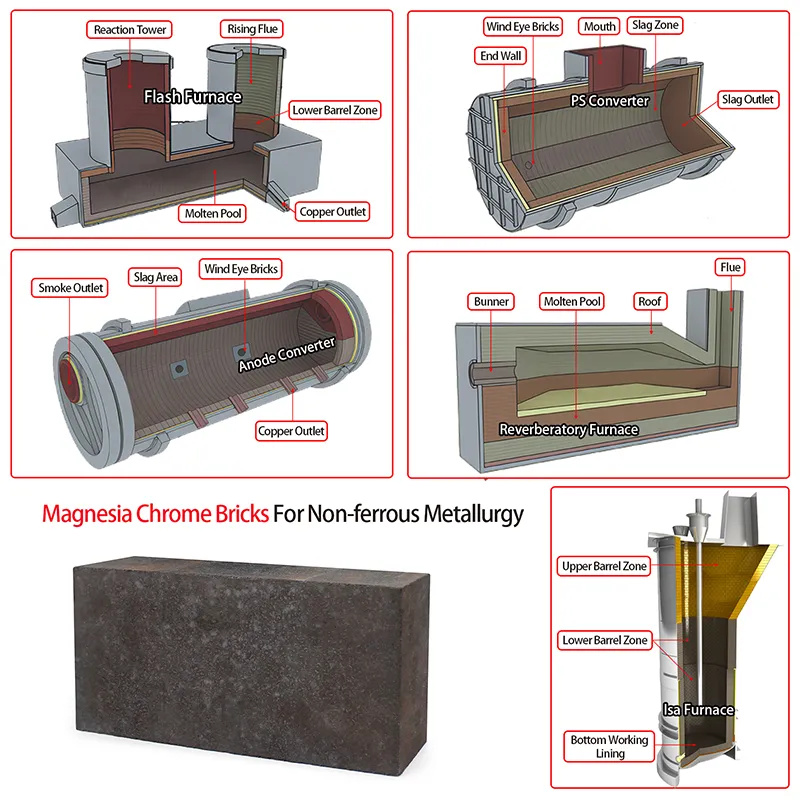
In copper smelting furnaces and lead-zinc furnaces, magnesia bricks line the working layer, sidewalls, and tuyere zones of the vessel, providing reliable protection against highly corrosive molten metal and slag.
They are also used in the converter lining and anode furnace walls within copper refining circuits, where oxidising atmospheres and frequent tapping cycles demand consistent lining integrity.

Magnesia Bricks for the Chemical and Petrochemical Industry
In recovery boilers, gasification reactors, and waste incineration kilns, magnesia bricks are applied in combustion chamber linings, slag discharge zones, and high-temperature wall areas where alkali-laden gases, molten slag, and reactive chemical streams create aggressive corrosive conditions. Their strong resistance to basic attack and high refractoriness make them a dependable choice for protecting structural integrity across the full range of chemical and petrochemical high-temperature process environments.
Certifications That Simplify Global Procurement
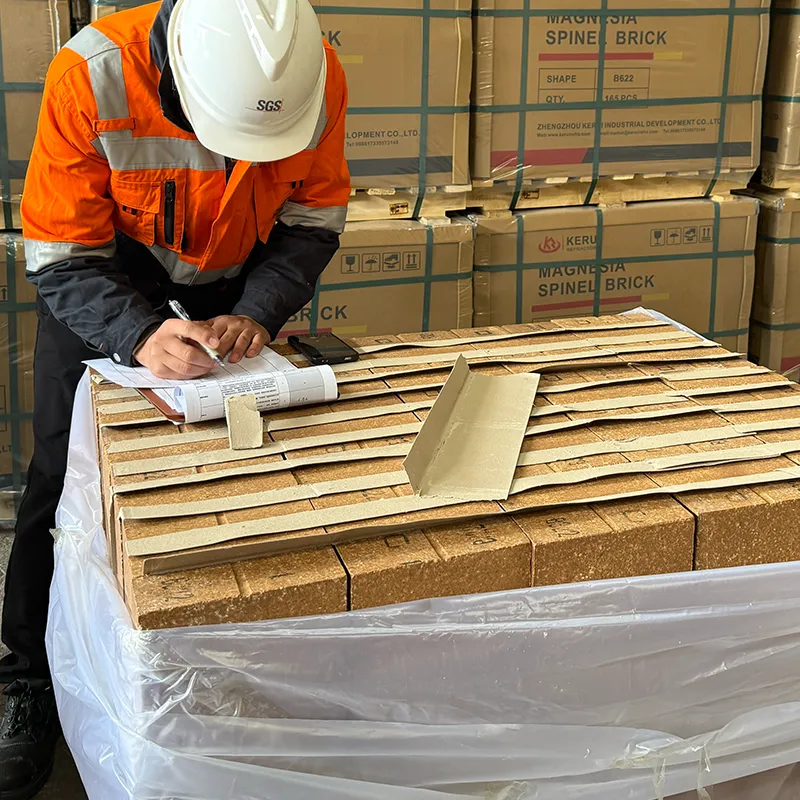
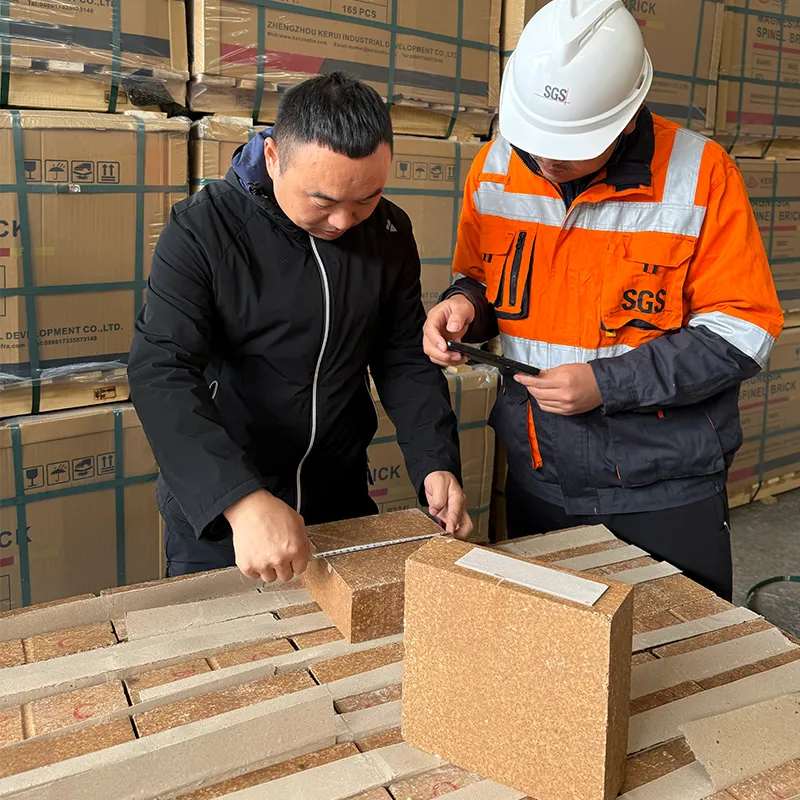
REBO holds ISO 9001, ISO 14001, ISO 45001, and CE certifications, and provides a full third-party test report plus an independent inspection video for every shipment. Our quality system is built to exceed the magnesia brick supplier qualification standards of global industrial leaders. Beyond compliance, REBO offers a full traceability code on each pallet, and a dedicated technical engineer for onsite installation support. Your procurement team and engineers receive everything they need certificates, test data, visual evidence, and after-sales backup from day one.
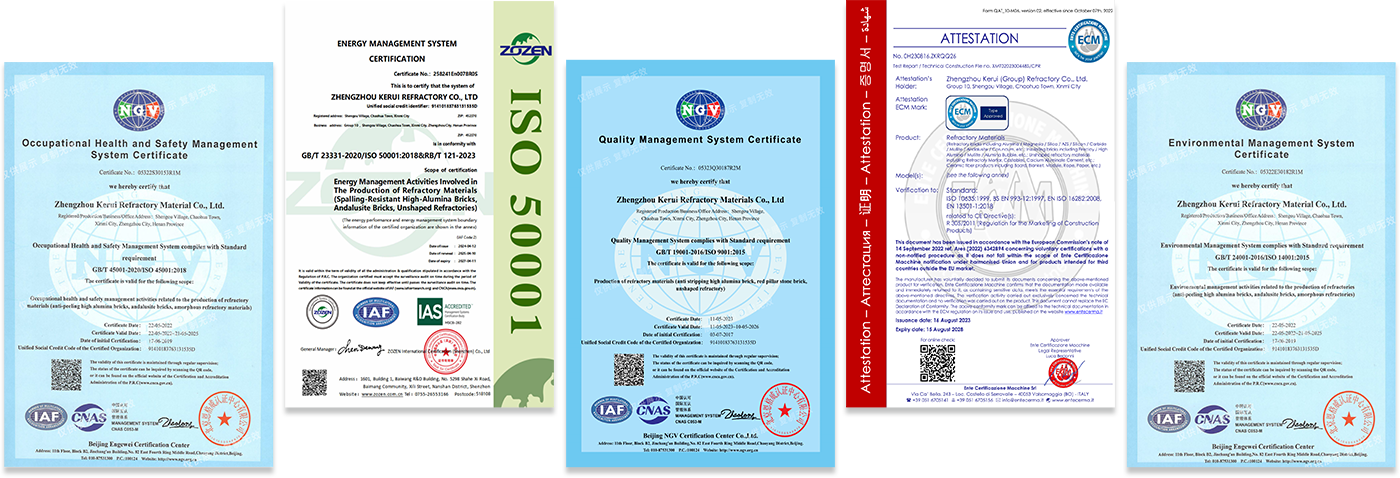
Built to Perform, Direct from REBO Factory
Note: See more solutions on REBO Pinterest.