End-to-End High-Temperature Solutions with REBO Corundum Brick
Industry Application Cases
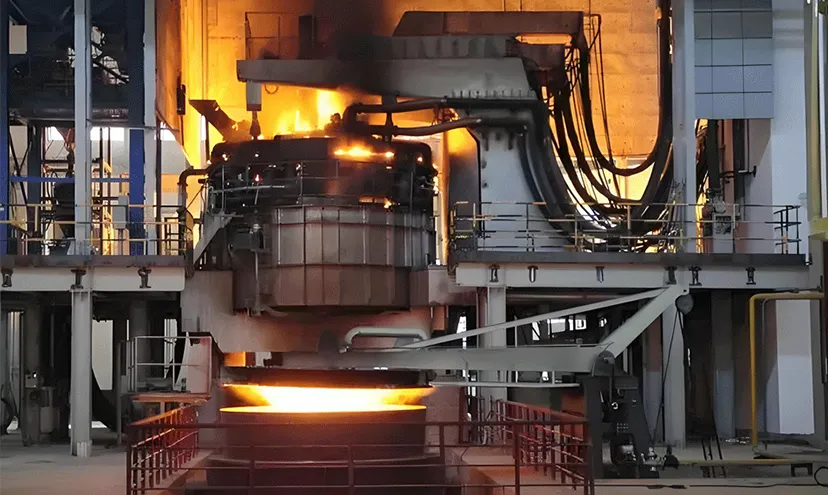
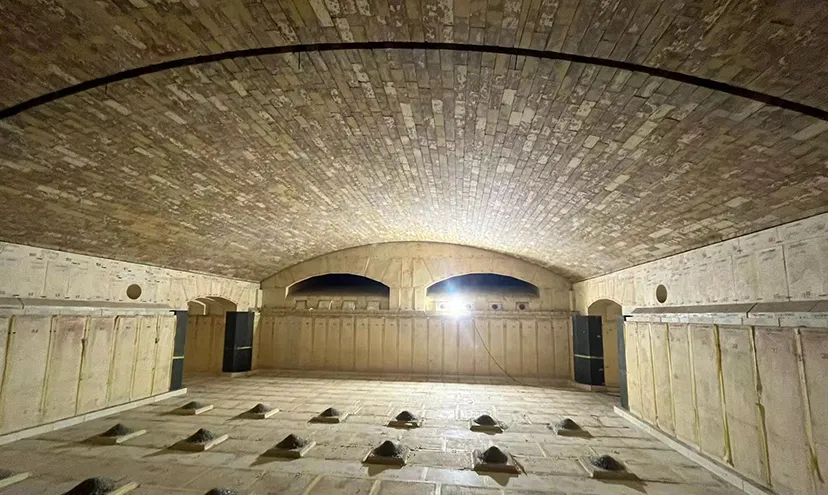
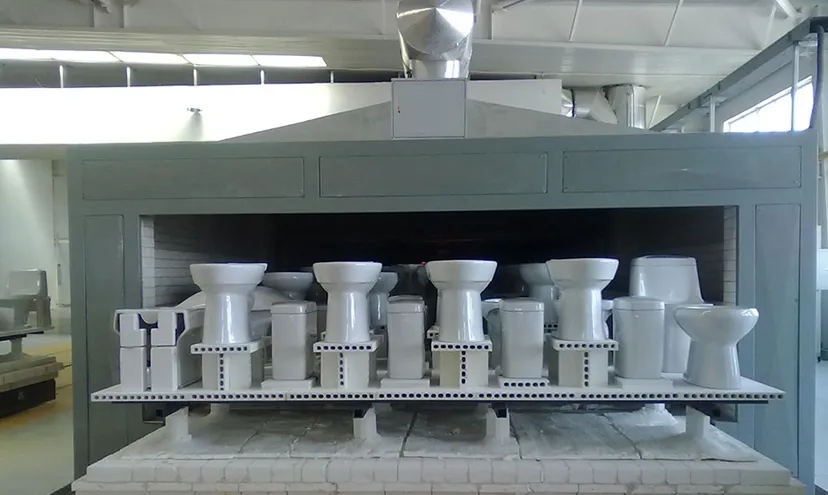
REBO corundum bricks have been deployed across steel, glass, and petrochemical industries from electric arc furnaces and ladle linings to regenerator checker chambers and ethylene cracking furnaces. In steel alone, our solutions have extended campaign life by up to 40% over standard refractory materials. These are long-running, high-stakes installations where failure is not an option.
Quality Assurance
Every batch is tested for cold crushing strength, apparent porosity, bulk density, and refractoriness under load before shipment. After delivery, REBO’s team provides performance reviews, on-site inspections, and failure analysis when needed. If a lining underperforms, we identify the root cause and deliver a documented corrective recommendation because our goal is to ensure the current installation performs exactly as engineered.
Customized Service Process
REBO’s customization starts with a structured technical intake covering temperature range, chemical environment, mechanical load, and shutdown schedule. Our engineers then develop a tailored material specification and lining geometry, with samples and test reports provided before full production. A dedicated project coordinator manages timelines and logistics through to delivery every step traceable, every specification documented.
Technology Parameters of REBO Standard Corundum Bricks
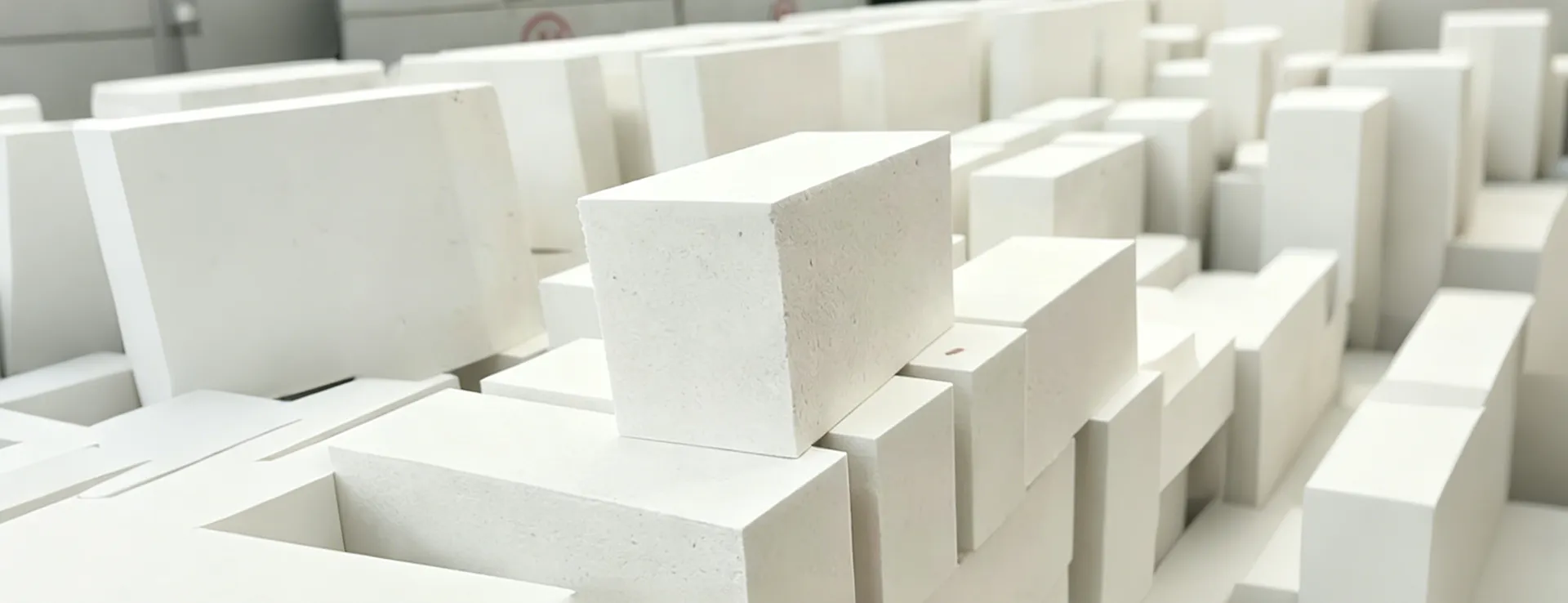
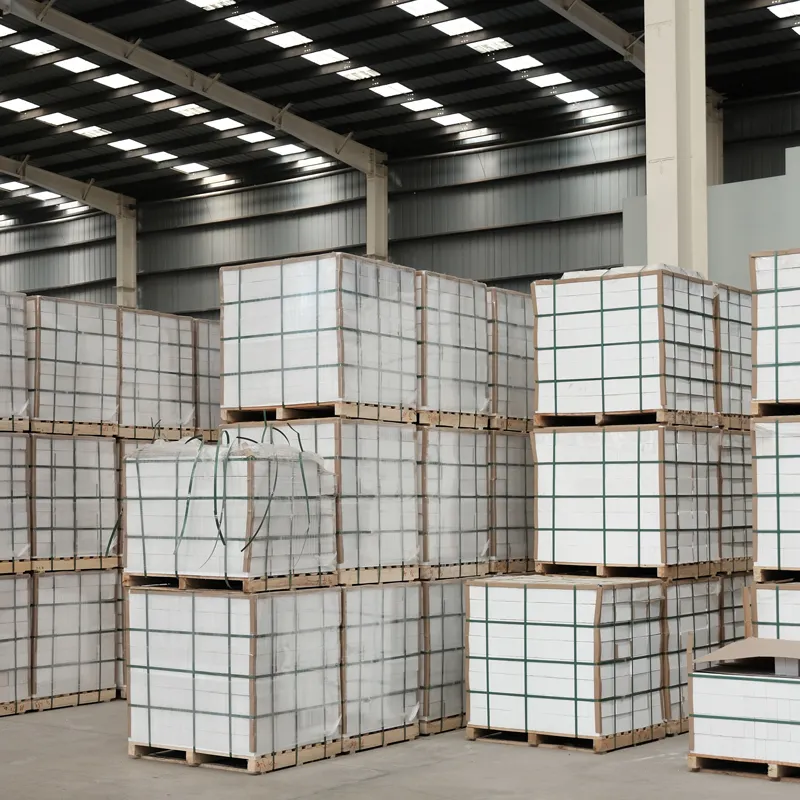
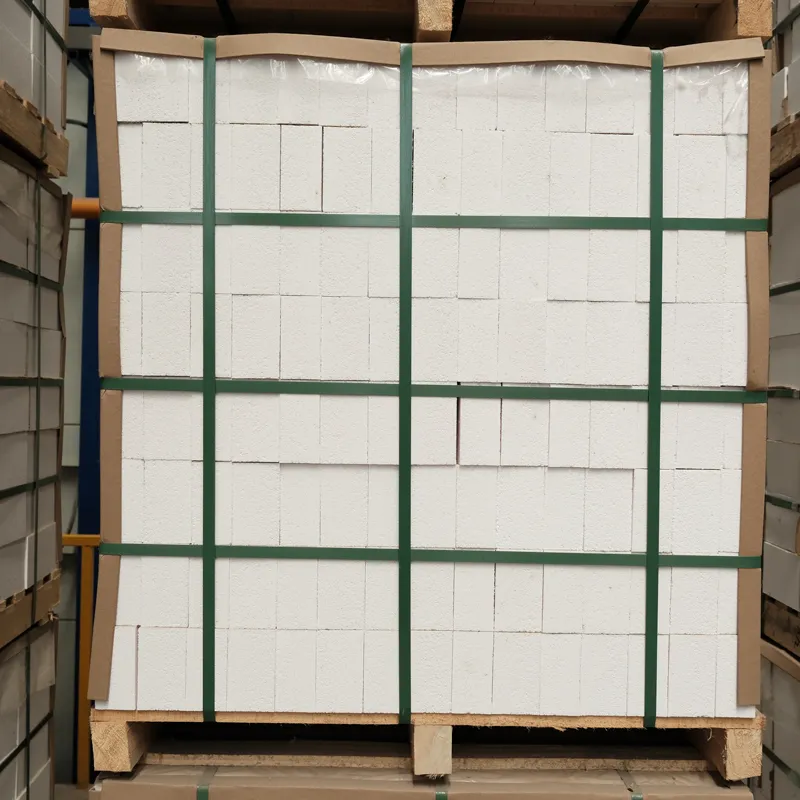
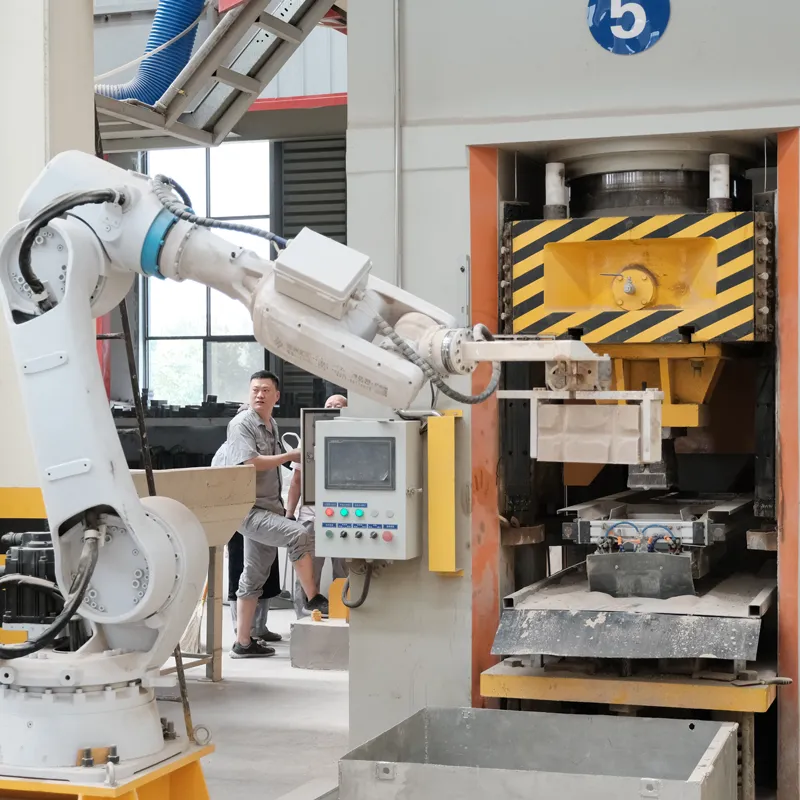
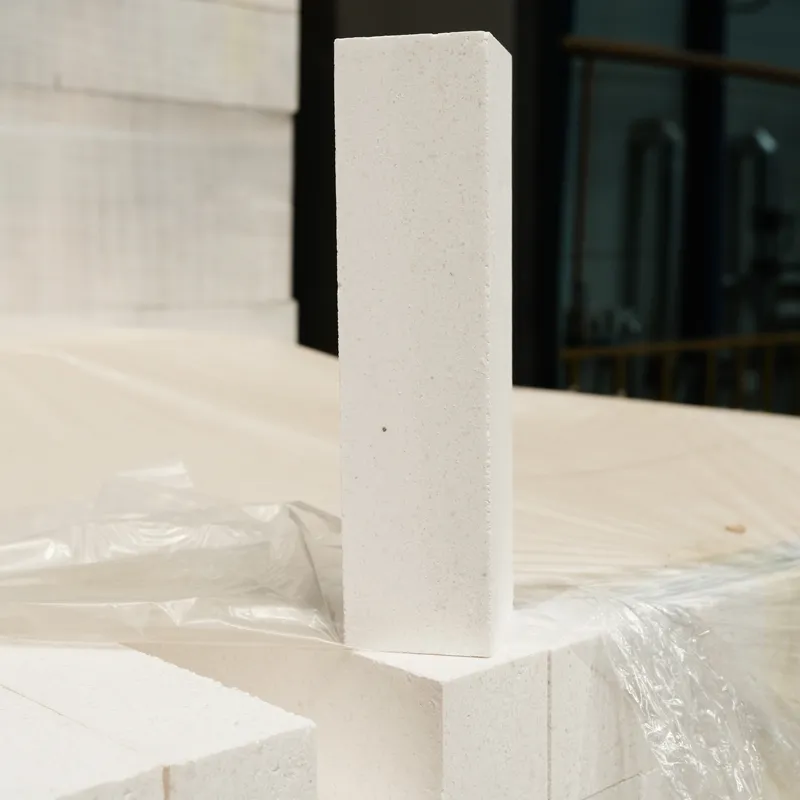
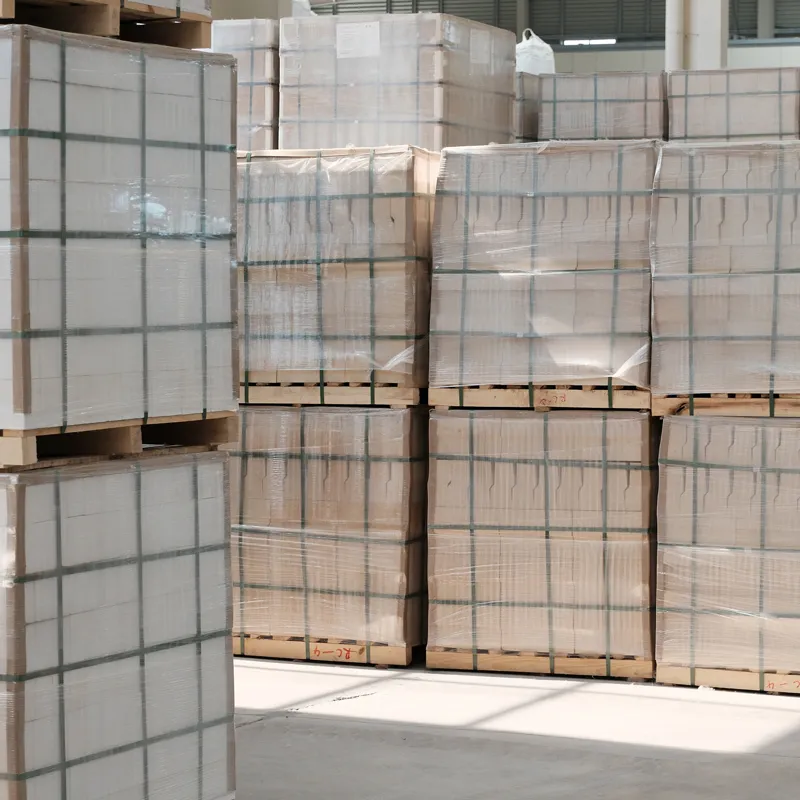
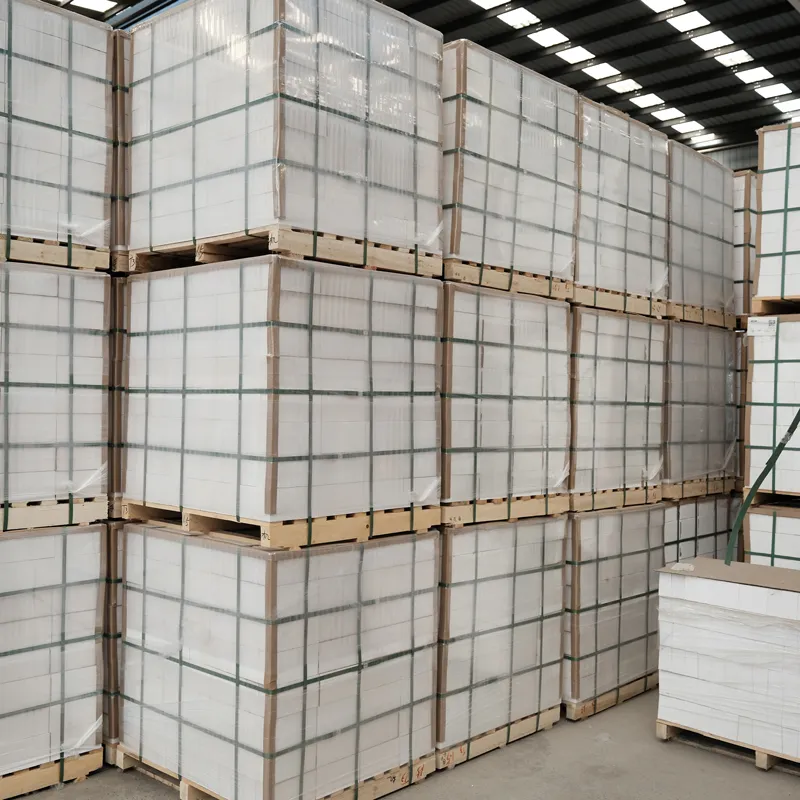
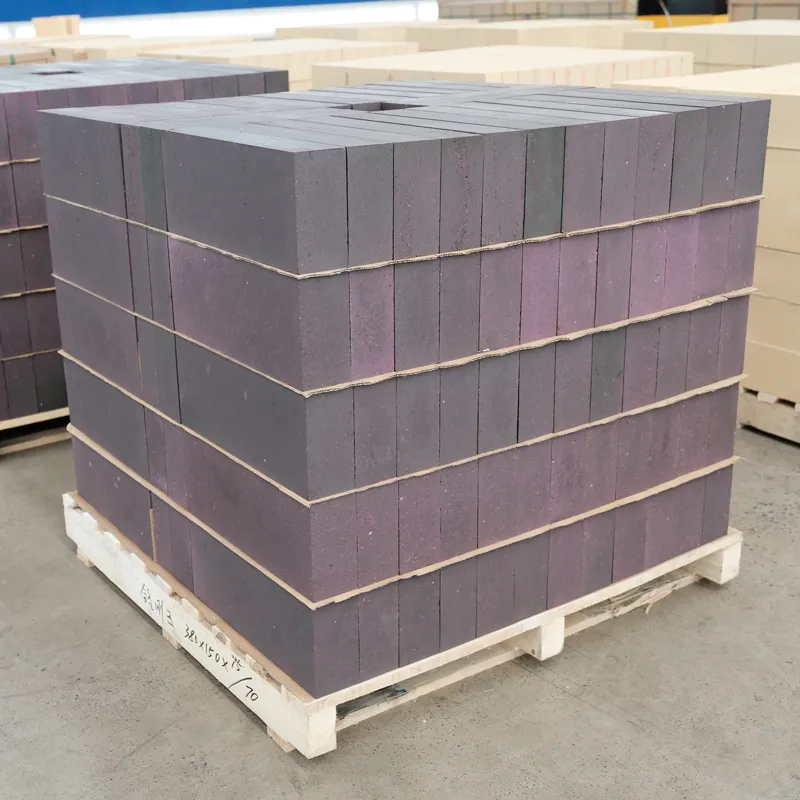
Manufacturing equipment mixes high-purity industrial alumina with different additives. REBO melts this mixture in an electric arc furnace at high temperature. Then we pour the melted material into molds. The material cools and forms into fused corundum bricks. These high temp refractory bricks have a high alumina content. Please see the data sheet for its parameters.
| Item | GYZ-99 | GYZ-90 | GYZ-80 | |
|---|---|---|---|---|
| Al2O3, % | ≥ | 99 | 90 | 80 |
| SiO2, % | ≤ | 0.2 | 8 | 18 |
| Fe2O3, % | ≤ | 0.2 | 0.2 | 0.3 |
| Bulk Density, g/cm3 | ≥ | 3.2 | 3 | 2.8 |
| Apparent Porosity, % | ≤ | 19 | 18 | 18 |
| Cold Crushing Strength, MPa | ≥ | 100 | 100 | 100 |
| 0.2MPa Refractoriness Under Load, ℃ | ≥ | 1700 | 1700 | 1700 |
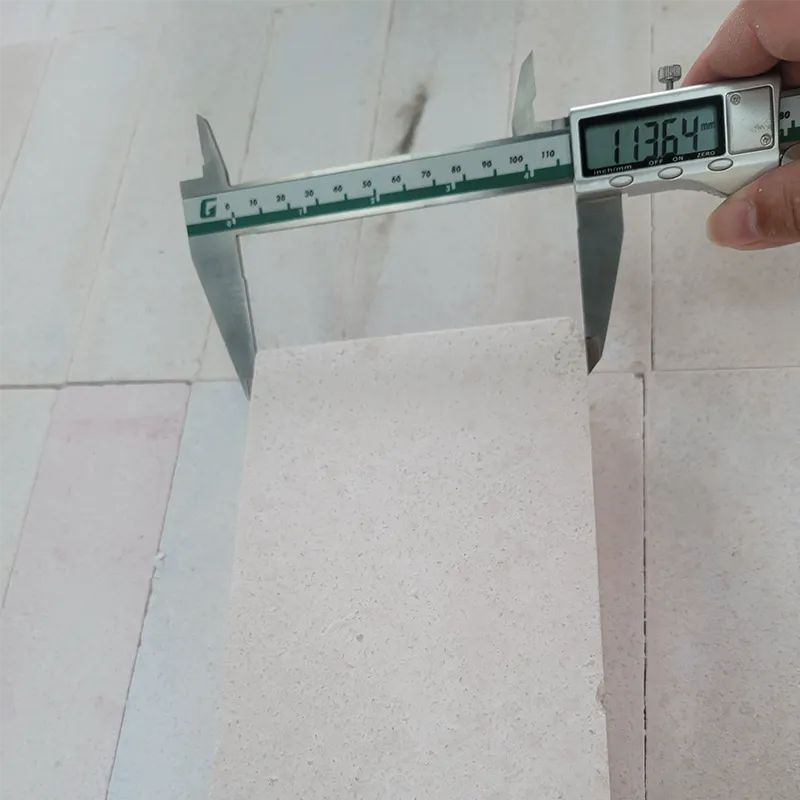
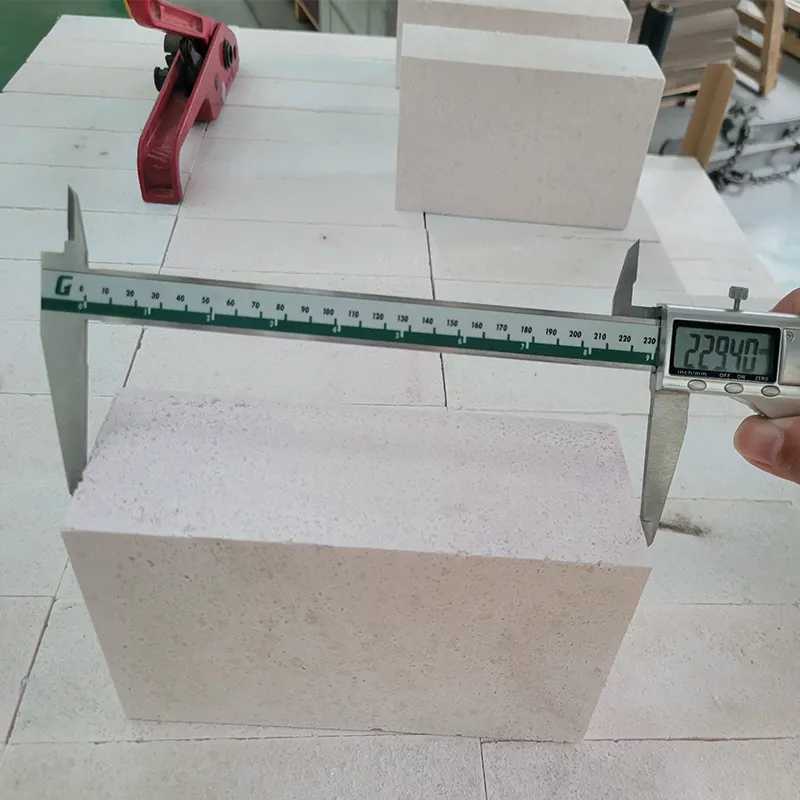
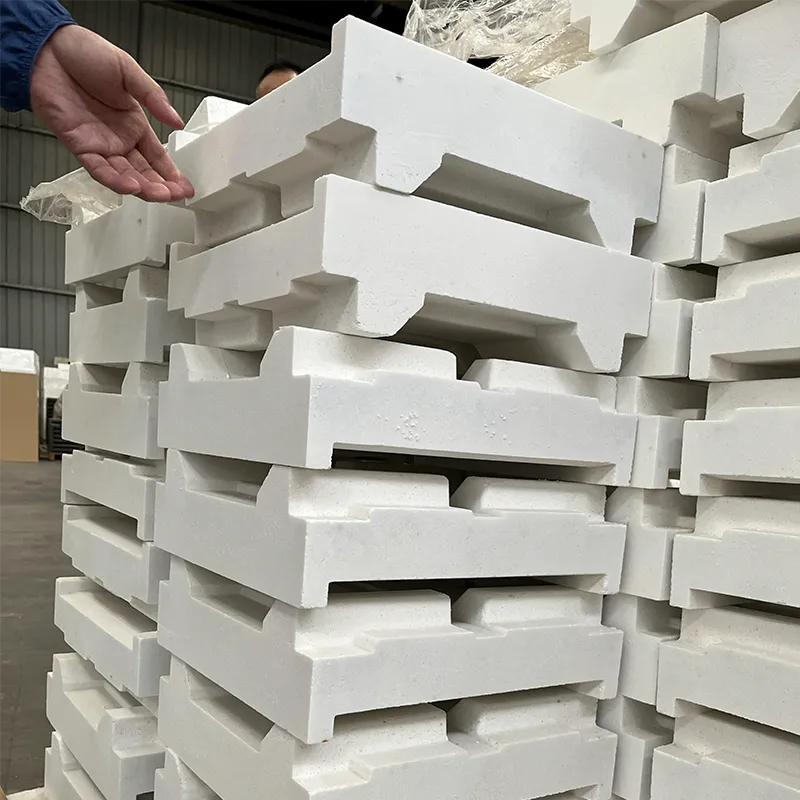
Industry-Specific Corundum Brick Types
By Chemical Purity
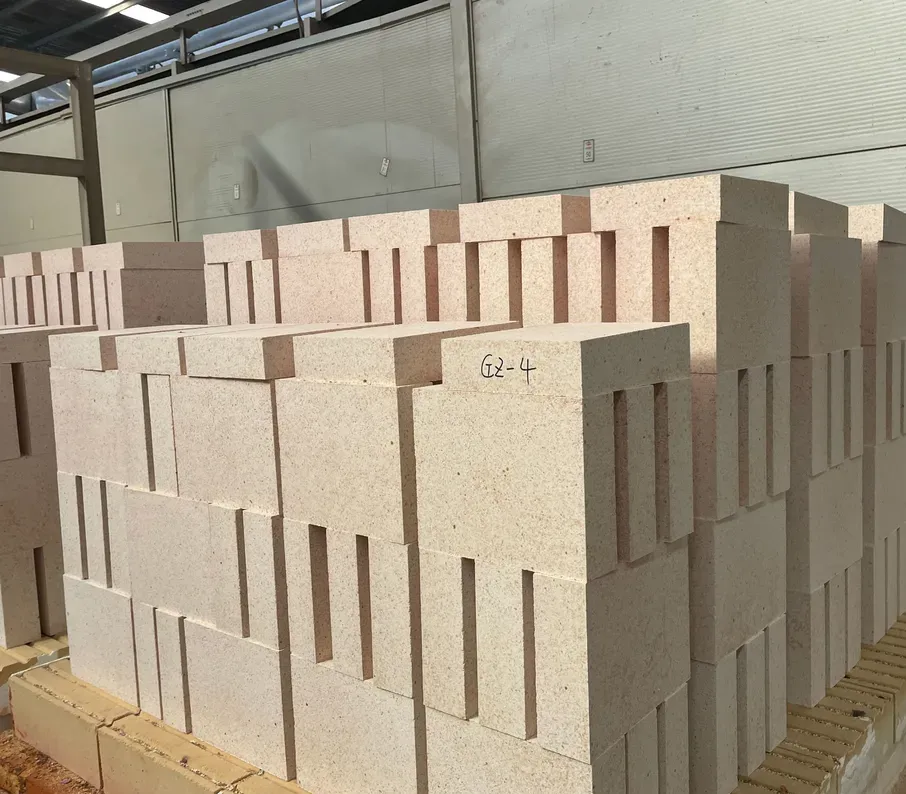
95% Alumina Corundum Brick
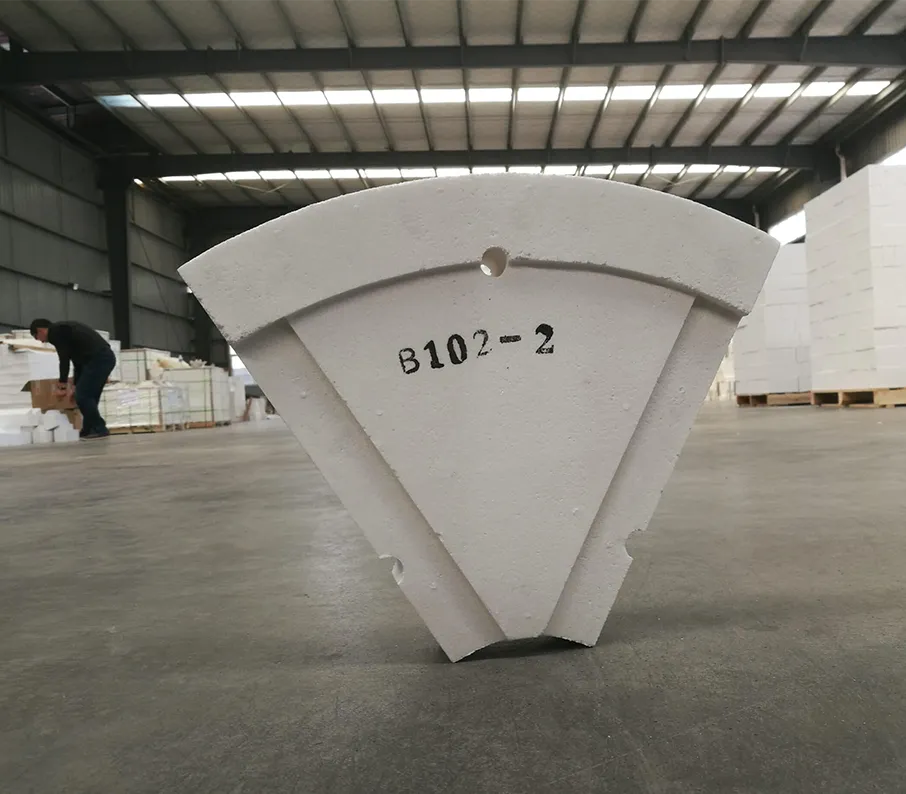
99% High-Purity Corundum Brick
By Manufacturing Process
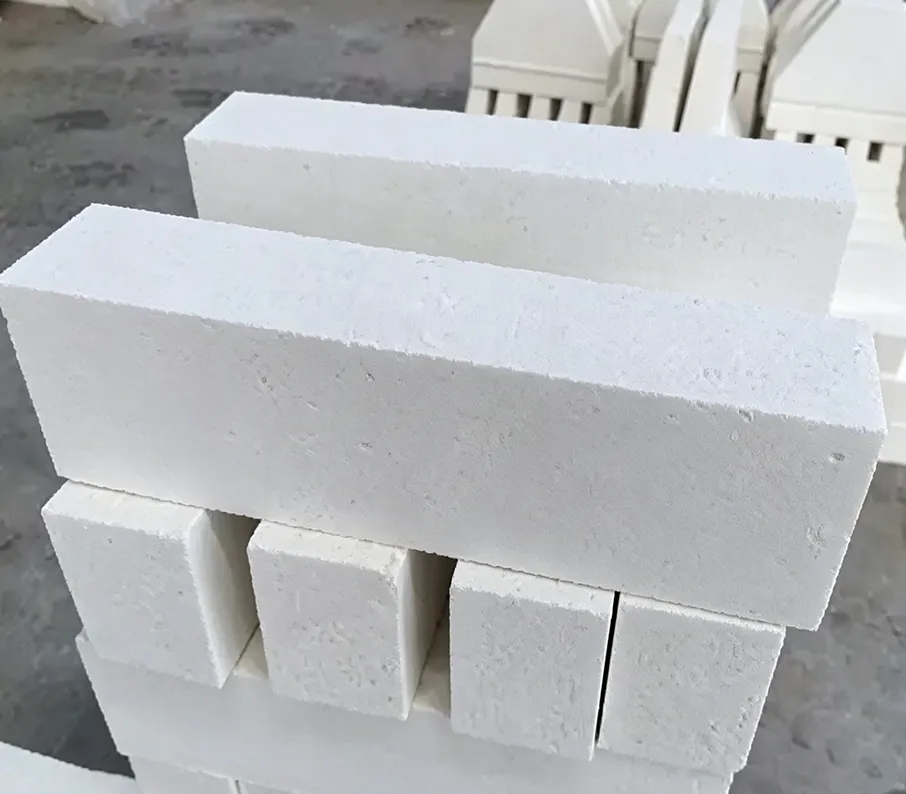
Sintered Corundum Bricks
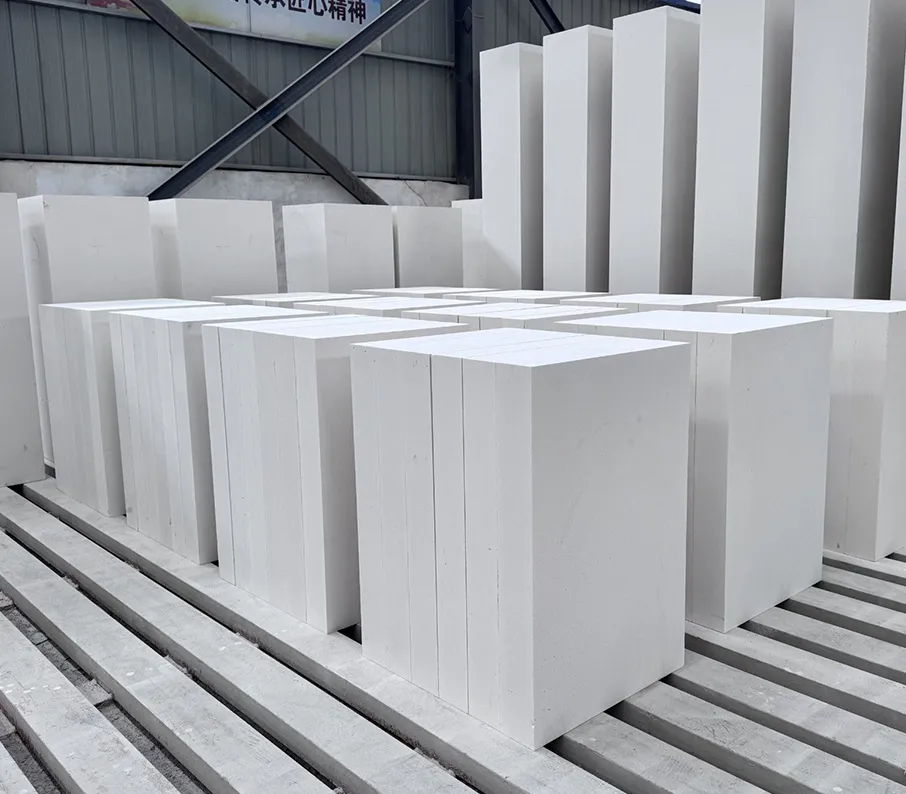
Fused-Cast Corundum Bricks
By By Raw Materials/Crystalline Phase Composition
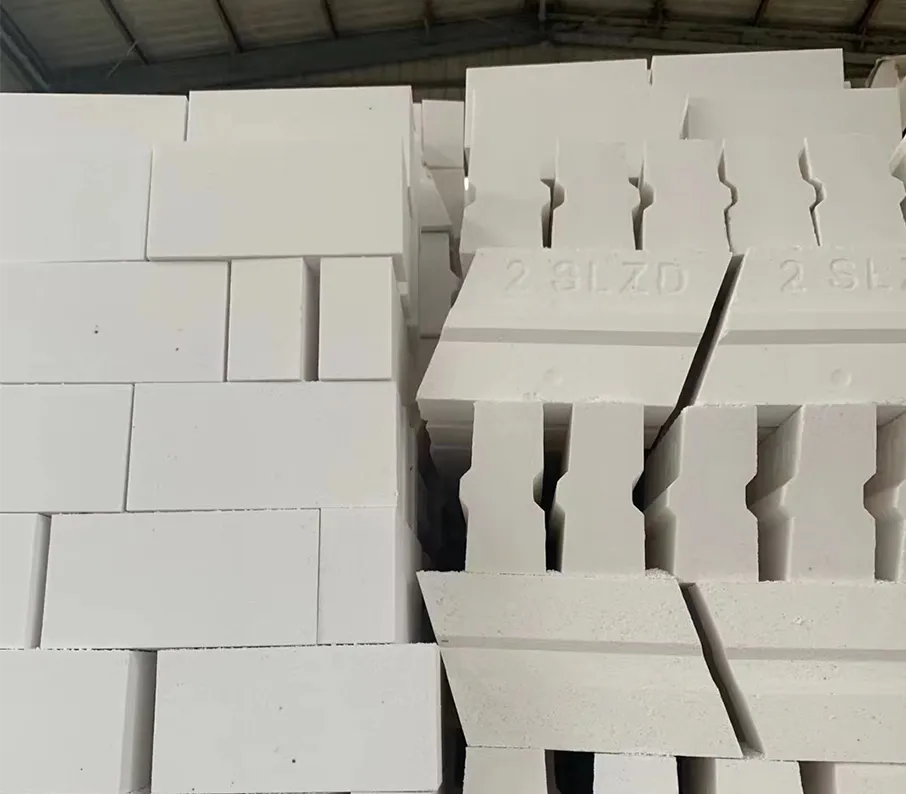
White Corundum Bricks
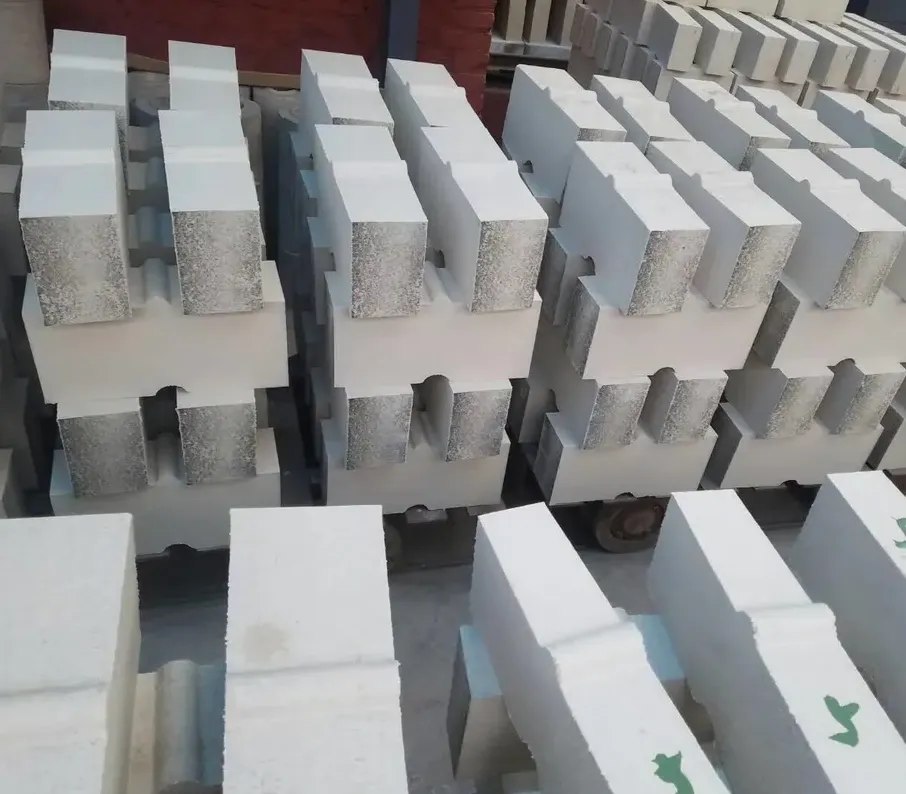
Corundum Mullite Brick
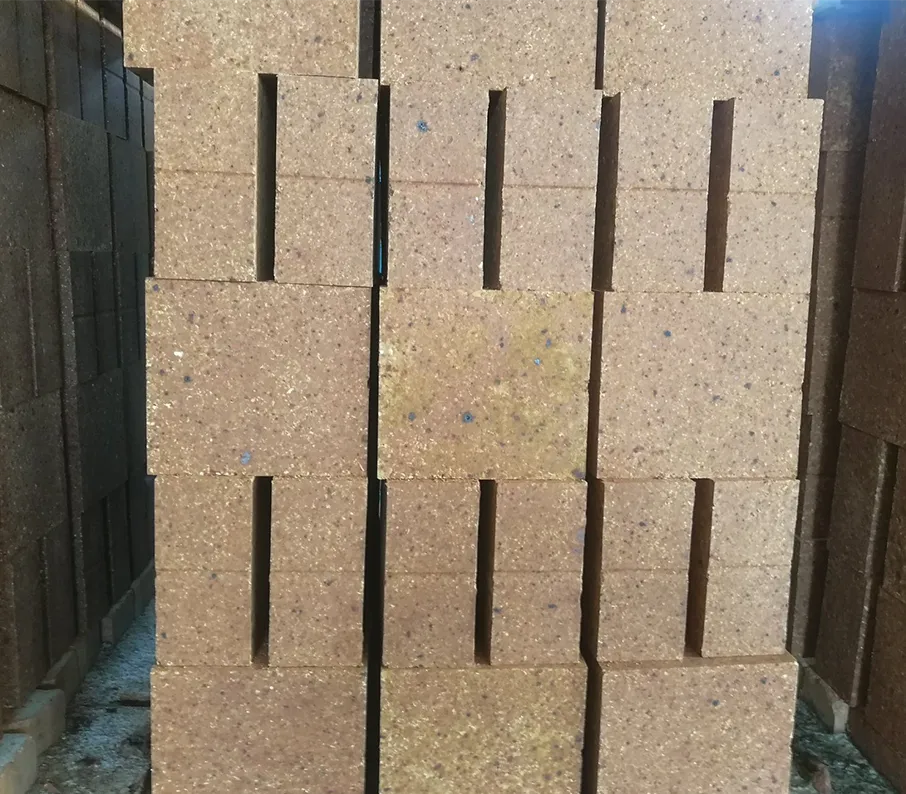
Silicon Corundum Bricks
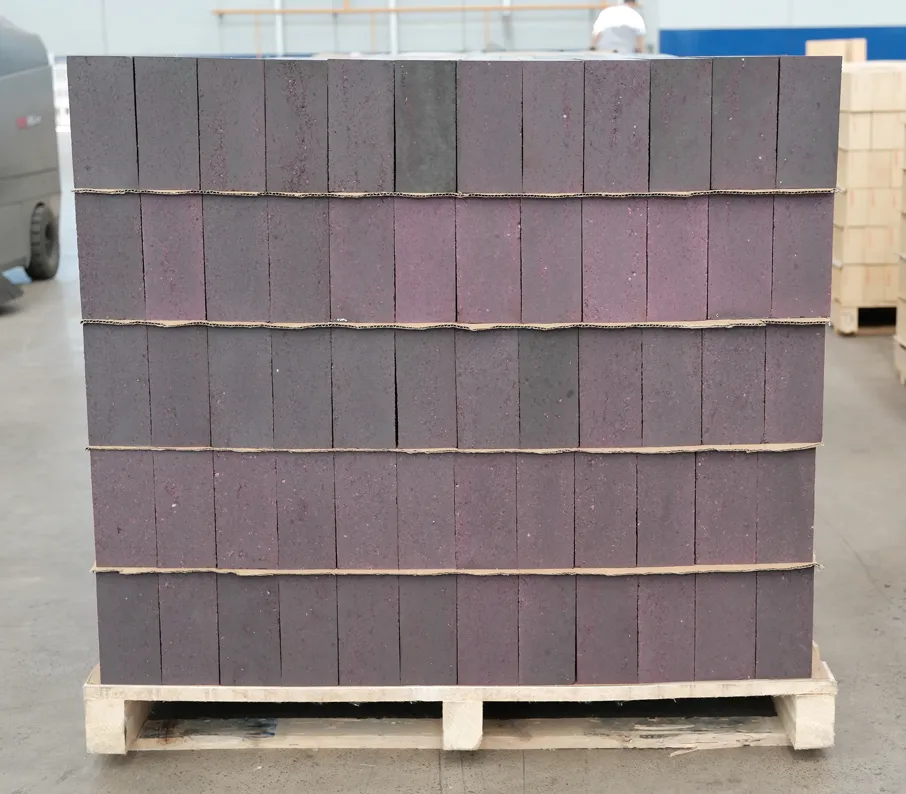
Chrome Corundum Bricks
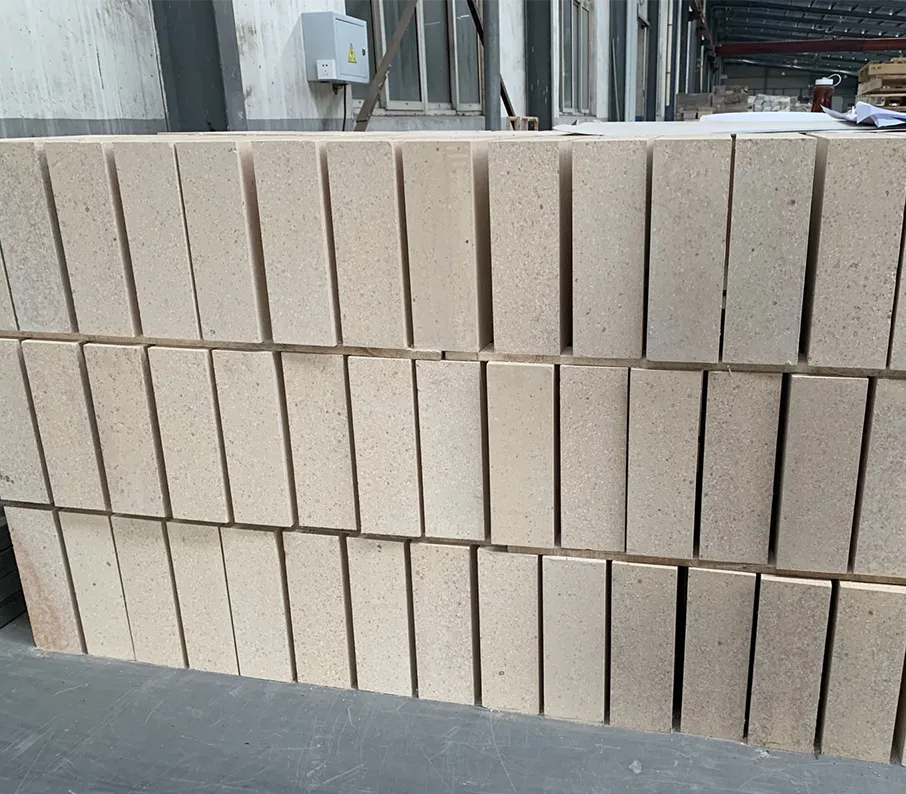
Zirconia Corundum Bricks
Features of Corundum Brick
Stable above 1800°C without deformation.
Load-Bearing Strength
Cold crushing strength up to 340MPa.
Wear Resistance
Withstands mechanical erosion in abrasive environments.
Chemical Stability
Al₂O₃ ≥90%; resists slags, molten metals, corrosive gases.
Low thermal expansion across extreme temperatures.
Slag Penetration Resistance
Low porosity extends service life.
Thermal Shock Resistance
Endure 30+ rapid cooling cycles without cracking.
High Purity
Zero impurities; safe for precision sintering processes.
Custom Corundum Brick Manufactured to Your Specifications
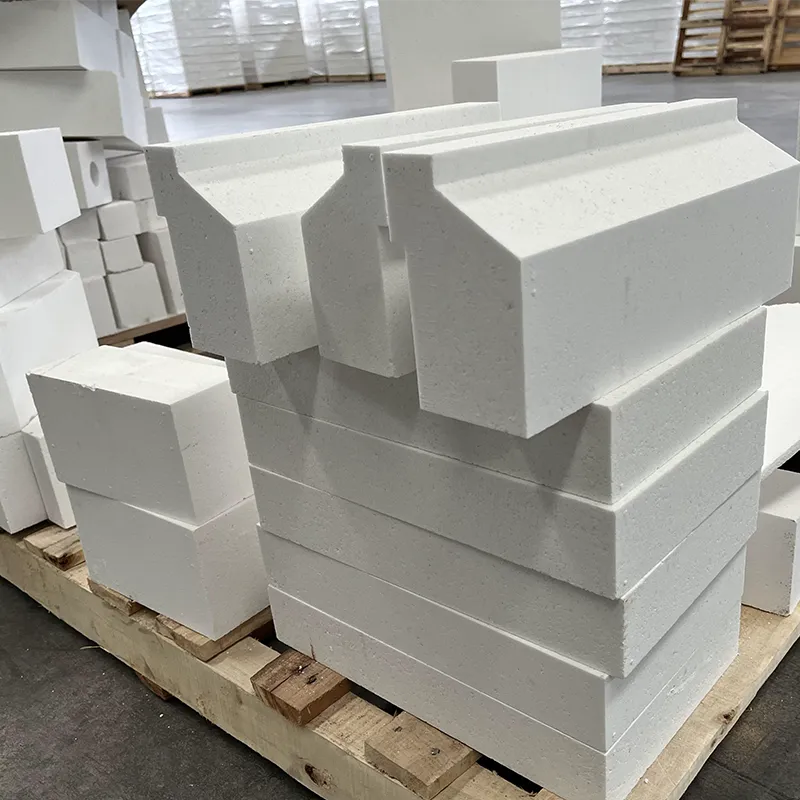
Standard rectangular bricks work well for straightforward flat walls and simple lining structures. But in practice, most high-temperature industrial furnaces are not simple. That’s why REBO offer full custom shape manufacturing for corundum bricks, covering the full range of configurations used in industrial furnace design. Find more applications on YouTube.
- Arch and key bricks: for furnace crowns and domed roofs requiring tight radial fit.
- Wedge and tapered bricks: for curved walls, circular vessels, and rotary kilns.
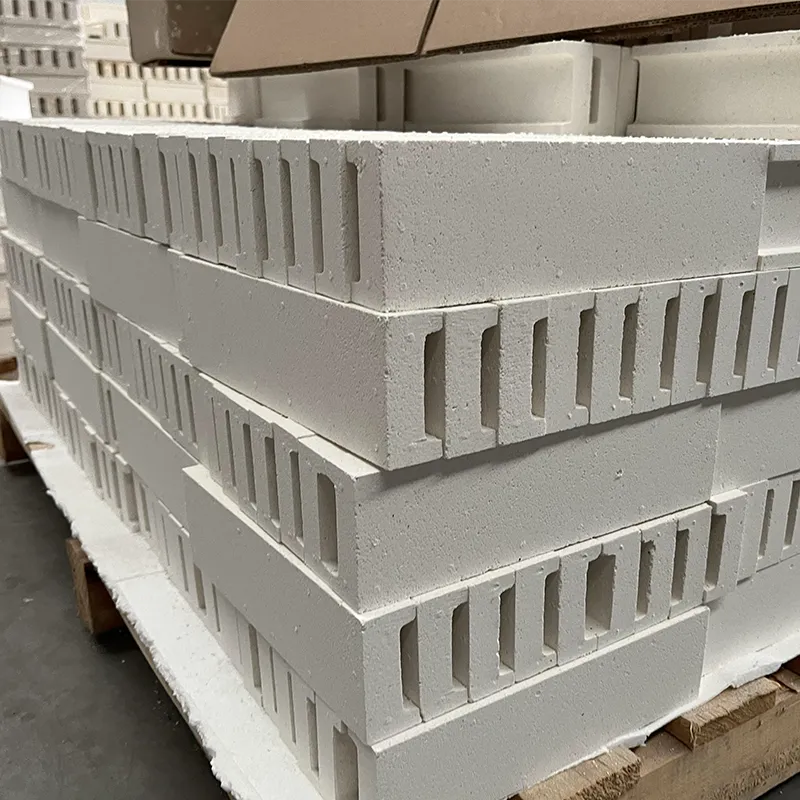
- Tongue and groove bricks: for interlocking joints that resist displacement under thermal movement.
- Skew and angle bricks: for non-perpendicular wall intersections and transition zones.
- Checker bricks: for regenerator and heat recovery applications requiring open-channel flow.
- Custom profile bricks: produced from customer-supplied drawings for proprietary furnace designs.
Corundum Brick for Every Application
Standard rectangular bricks work well for straightforward flat walls and simple lining structures. But in practice, most high-temperature industrial furnaces are not simple. That’s why we offer full custom shape manufacturing for corundum bricks, covering the full range of configurations used in industrial furnace design:
| Industry | Equipment | Specific Part/Location |
|---|---|---|
| Iron & Steel Metallurgy | Blast furnace, Electric arc furnace (EAF), Steel ladle, Tundish | Belly/lower stack lining, slag line bricks, EAF roof |
| Glass Manufacturing | Glass melting furnace, Regenerator | Tank wall, throat, checker bricks, crown |
| Petrochemical Industry | Secondary reformer, Gasifier, Cracking furnace | Reactor tube lining, furnace hearth working layer |
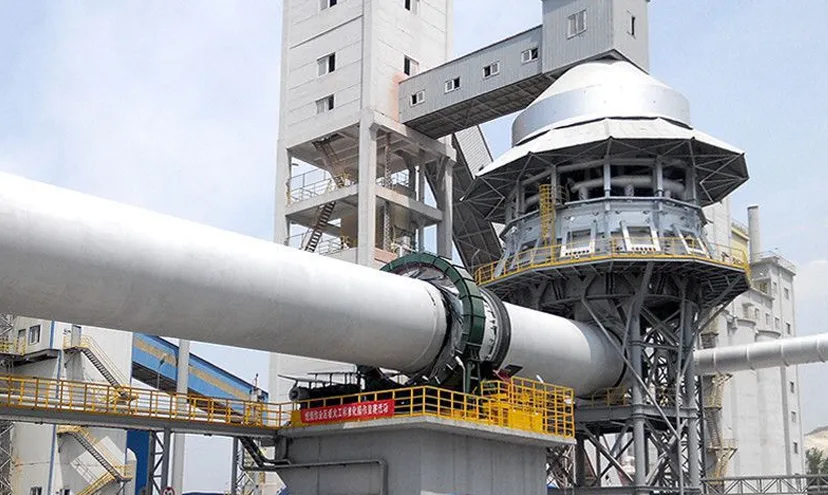
| Cement/Lime Rotary Kilns | Rotary kiln | Sintering zone, transition zone, kiln outlet |
| Non-Ferrous Metals | Aluminum reduction cell, Copper smelting furnace | Cell lining, furnace wall working layer |
| Waste Incineration | Incinerator | Combustion chamber lining, slag discharge port |
| Specialty Ceramics | High-temperature sintering kiln | Kiln furniture, shelf/support structure |
Certificate for Global Procurement Standards
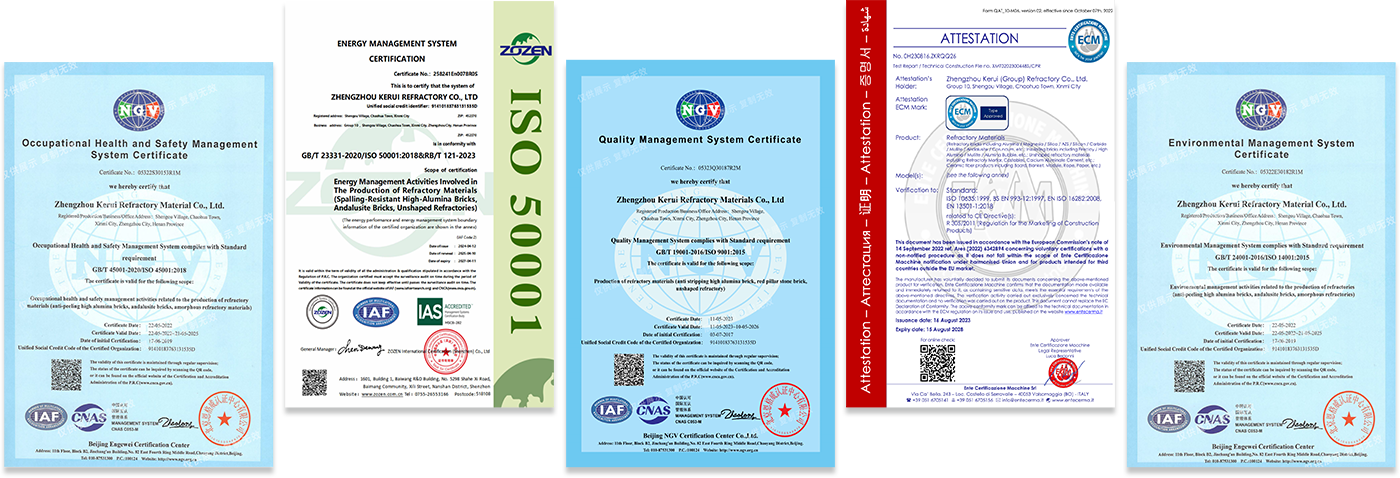
REBO holds ISO 9001, ISO 14001, and CE certifications, and provides a full third-party test report with every shipment. Our quality system is built to meet the high alumina brick supplier qualification standards of global industrial customers, so your procurement team has everything they need, from day one.
REBO Corundum Brick Matching Solutions
A complete lining system needs multiple materials. Proper matching extends kiln life and reduces maintenance costs. We offer the following matching suggestions.
Bonding Materials for Masonry
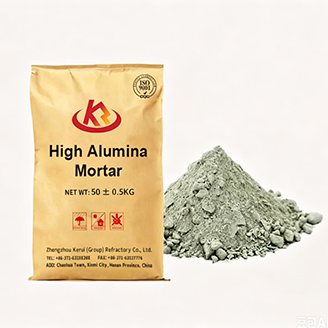
We recommend refractory mortar or corundum castable. These materials fill brick joints and form a solid structure. They also prevent hot gas penetration.
Insulation Layer
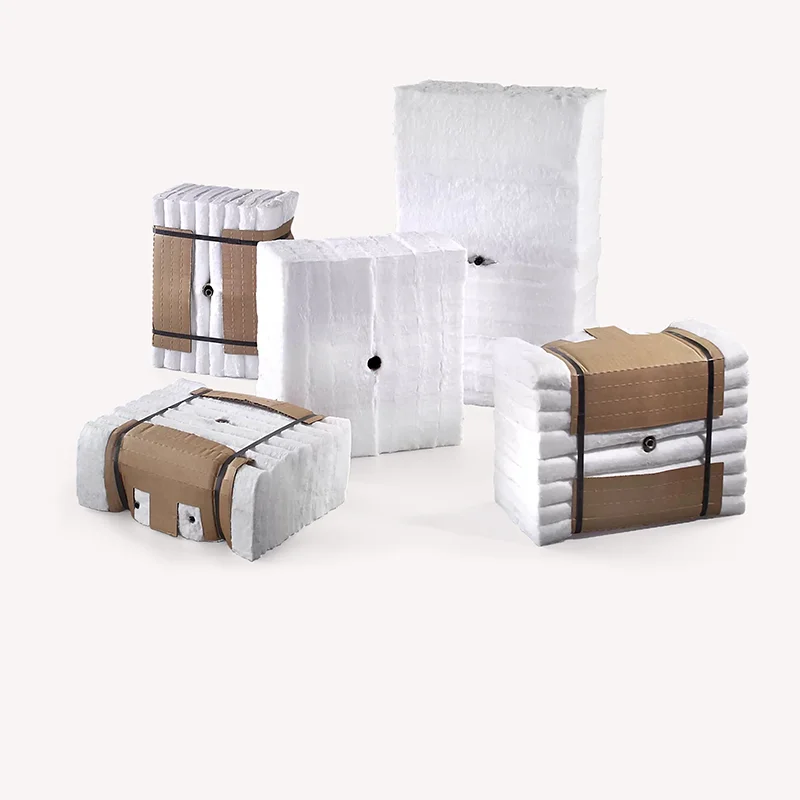
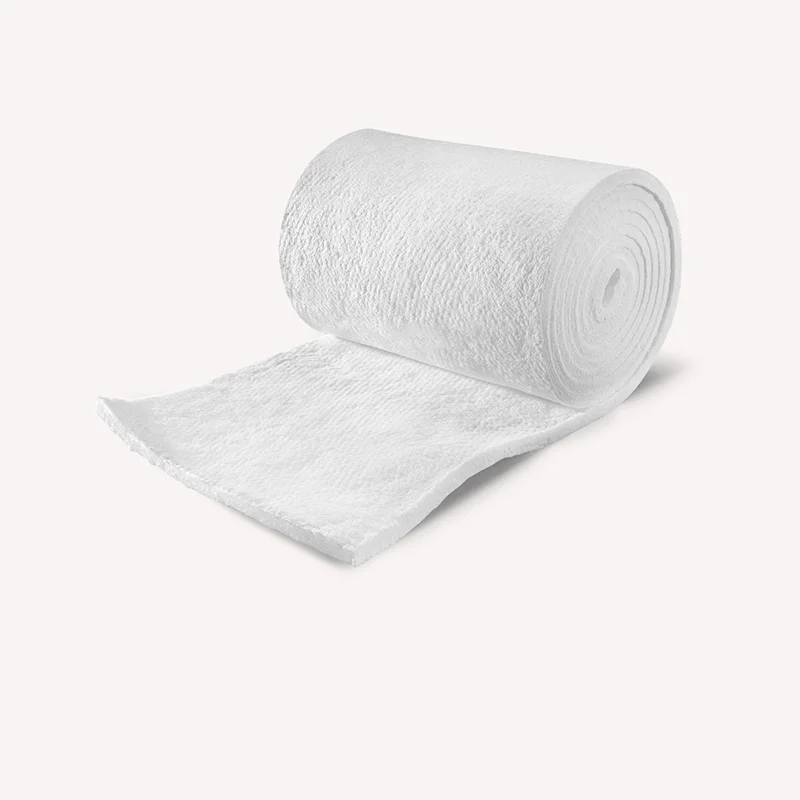
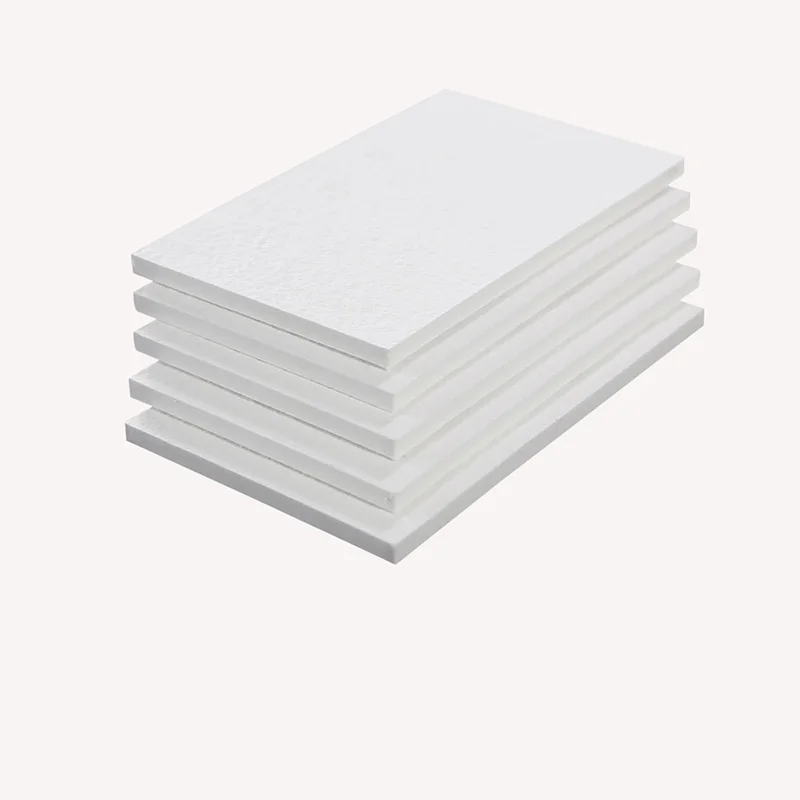
The inner layer uses ceramic fiber blanket or ceramic fiber modules. We also recommend insulating firebricks. This layer reduces heat loss. It protects the furnace shell and lowers the outer wall temperature.
Matching Refractory Bricks for Different Kiln Zones
Different kiln zones require different refractory bricks.
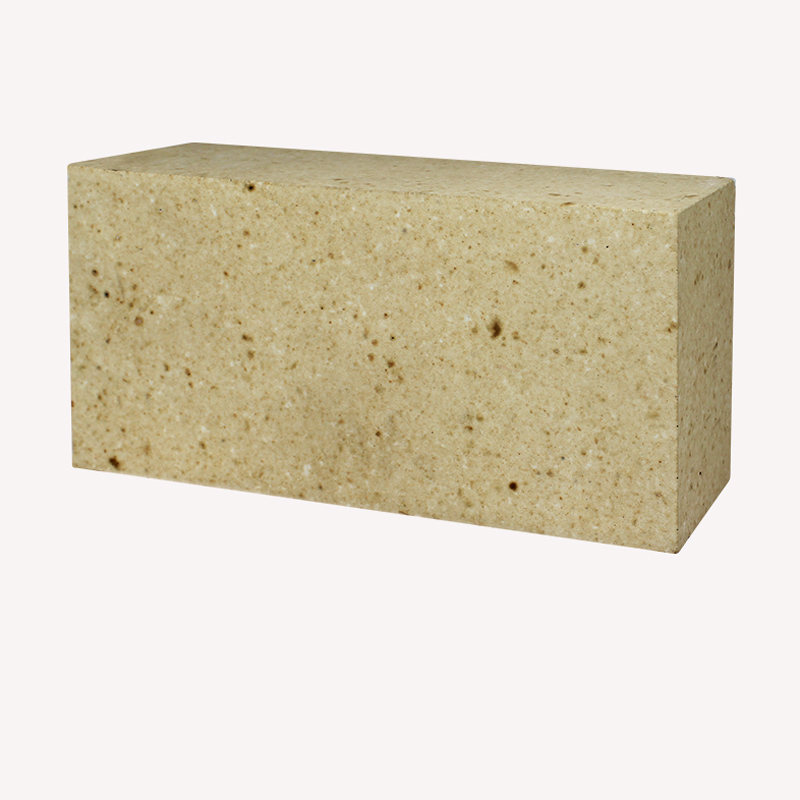
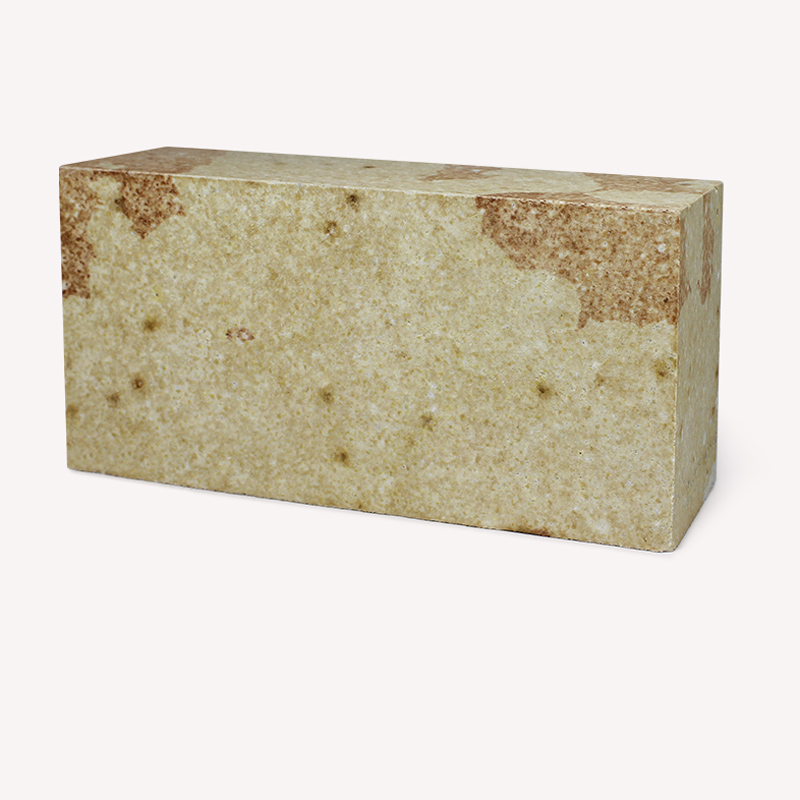
- The transition zone uses high alumina bricks.
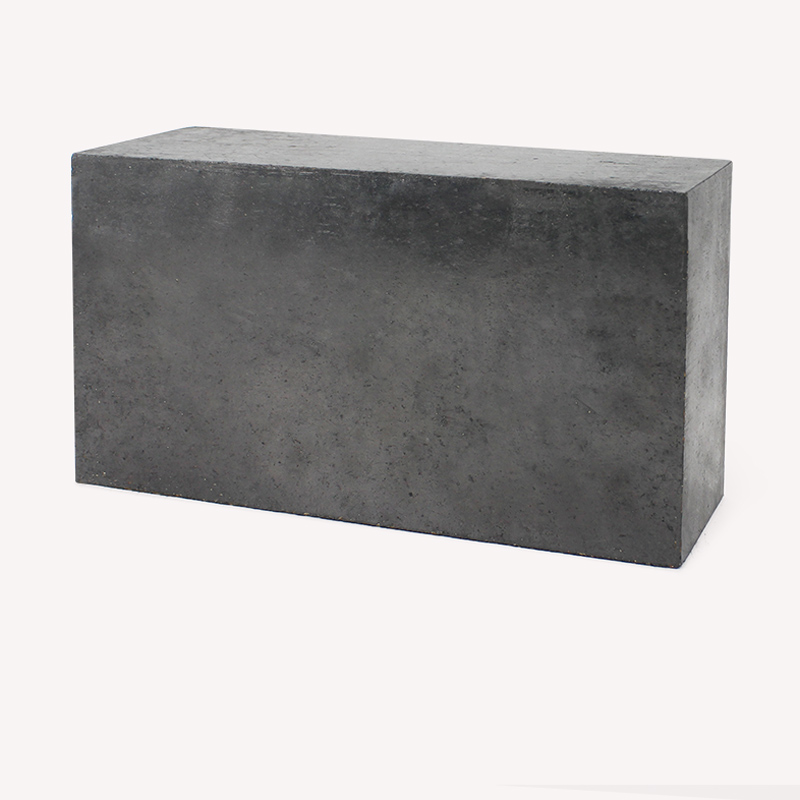
- The metallurgical furnace slag line area uses magnesia carbon bricks.
- The glass furnace crown uses silica bricks.