
Silicon Carbide Refractory Bricks


Key Datasheet of Silicon Carbide Refractory Bricks
The table below lists the technical specifications of REBO silicon carbide bricks based on production batch testing. By comparing these specifications with the operating conditions of the furnace lining, you can see that high temp refractory bricks are suitable for use in demanding lining applications. Please use this data as a reference for your design and product selection. If your specific operating conditions require different technical specifications, custom dimensions, or specially shaped products, please inform us of your requirements; our engineers will recommend the appropriate grade and provide a quotation.
| Item | Index | |
| SiC, % | ≥ | 85 |
| Fe2O3, % | ≤ | 0.5 |
| Apparent Porosity, % | ≤ | 16 |
| 0.2MPa Refractoriness Under Load, ℃ | ≥ | 1750 |
| Bulk Density, g/cm³ | ≥ | 2.6 |
| Cold Crushing Strength, MPa | ≥ | 80 |
| Modulus of Rupture, MPa | ≥ | 40 |



Selection Guide for Silicon Carbide Refractory Bricks
The performance of silicon carbide bricks depends not only on their SiC content but, more importantly, on the bonding phase—the material that binds the SiC particles together. Variations in the bonding phase result in differences in oxidation resistance, corrosion resistance, strength, thermal shock resistance, and cost. REBO offers a consistent supply of various types, including clay-bonded, nitride-bonded, recrystallized, and alumina-silicon carbide bricks. You can select the appropriate type based on furnace design, operating temperature, atmosphere, and contact media, or simply provide us with your operating conditions and REBO Refractory engineers will assist you in making the right choice.
| Bond Type | Features | Applications | Section Guide |
| Clay Bonded Silicon Carbide Brick | Lower cost; provides the basic thermal conductivity and wear resistance of SiC | General industrial furnaces; areas with moderate corrosion and oxidation demands | Mild operating conditions or cost-sensitive projects |
| Si₃N₄ Bonded SiC Brick | High strength; good corrosion, wear, and thermal shock resistance; relatively dense structure | Blast furnace bosh and lower stack; aluminum electrolytic cell sidewalls; zones with erosion and abrasion | Severe conditions where long service life is the priority |
| Recrystallized SiC Brick | High SiC purity; excellent high-temperature stability | High-temperature furnaces; kiln furniture and special high-temperature components | Very high temperatures or strict purity requirements |
| Alumina-Silicon Carbide-Carbon Brick | Made of corundum, silicon carbide, and graphite; good slag resistance and thermal shock resistance | Iron ladles, torpedo cars, hot metal pretreatment vessels | Contact with molten iron and slag |
Selection Note: Within the same category, a higher SiC content generally results in better thermal conductivity and erosion resistance, as well as a higher price. Please refer to the product specification sheet for specific grades and physicochemical properties.
Common Furnace Types Using Silicon Carbide Bricks


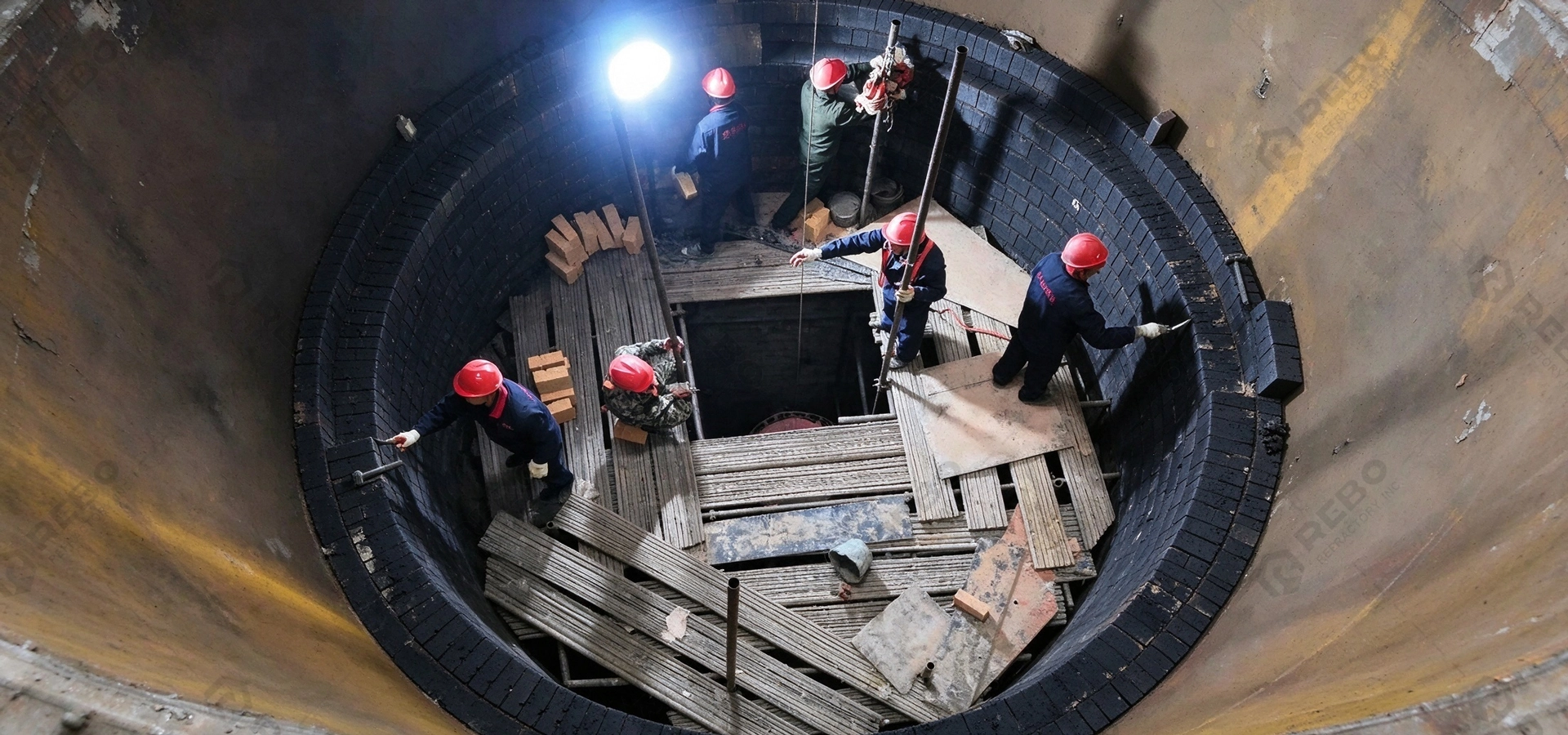
Blast Furnace
Operating conditions: Exposure to high temperatures, alkali metal and zinc vapors, abrasion from descending furnace burden, temperature fluctuations, and slag/iron erosion.
Masonry points: Control the thickness of brick joints and mortar seams to ensure a tight fit; prevent lining spalling caused by rapid localized wear.
Non-ferrous Metal Smelting
Non-ferrous Metal Smelting
Operating conditions: Contact with electrolyte and molten aluminum; erosion and penetration by molten aluminum; aluminum dross adhesion; stable internal temperature but highly corrosive environment.
Masonry points: Ensure a tight fit between side blocks and cathode carbon blocks with no gaps; start up according to the specified baking curve and avoid rapid heating.
Waste Incinerators
Operating conditions: Corrosive gases containing chlorine and sulfur; alkali vapors; slag and ash; abrasion in the grate area; temperature fluctuations.
Masonry points: Allow sufficient expansion clearance at connections with metal anchors and water-cooled walls; ensure tight brick joints; prevent gas from seeping through joints into the backing layer.

Cement Kilns
Operating conditions: High temperatures, dust erosion, material abrasion, and a complex chemical environment.
Masonry points: Ensure the masonry surface is flat and brick joints are uniform; prevent rapid wear, spalling, cracking, and localized erosion caused by mechanical stress concentration.
REBO Silicon Carbide Bricks Manufacturing and Quality Control

Annual Output of 280,000 Tons
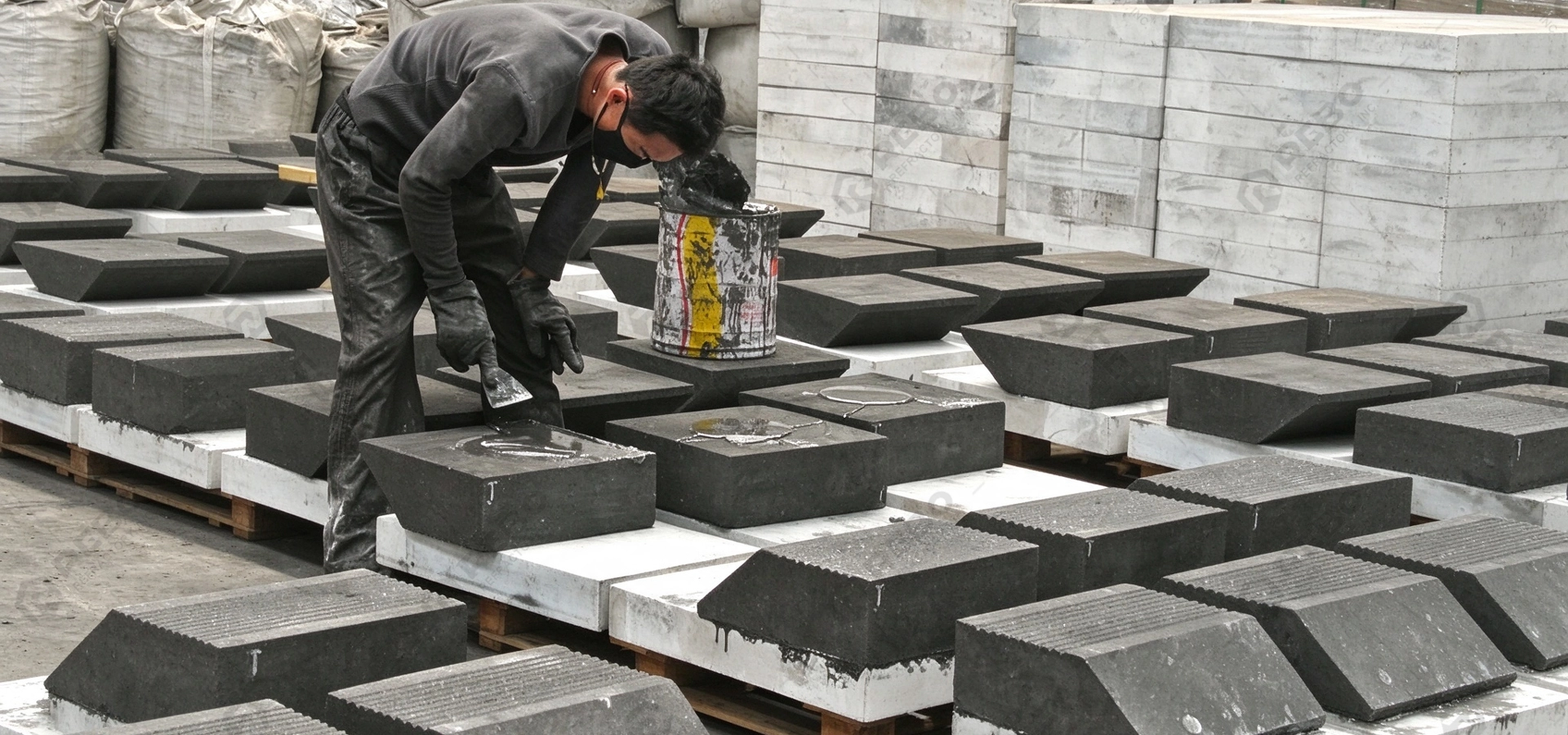
With an annual production capacity of 280,000 tons, REBO is well-equipped to handle bulk orders and ensure stable, long-term supply for large-scale projects. We offer a wide range of silica bricks and silicon carbide bricks—including clay-bonded, nitride-bonded, recrystallized, and alumina-silicon carbide types—and provide customized dimensions and special shapes based on kiln drawings and specific operating conditions, helping customers shorten procurement cycles and mitigate supply risks.

Quality Inspection for SiC Bricks
We implement comprehensive quality inspections covering the entire process, from raw materials to finished products. Before shipment, every batch undergoes testing against specifications for parameters such as SiC content, Fe₂O₃ levels, apparent porosity, bulk density, compressive strength, flexural strength, and refractoriness under load. Products are released for shipment only after passing these tests, and inspection reports can be provided with the delivery. We can also accommodate third-party inspections to meet specific customer requirements. REBO will share latest news on Pinterest.
More Commercial Information of REBO Silicon Carbide Refractory Bricks
Production Lead Time: Please check stock availability for standard brick types; in-stock items can be shipped promptly. Custom brick types require approximately 25 working days for production, with the exact delivery schedule depending on order volume and the complexity of the brick design.
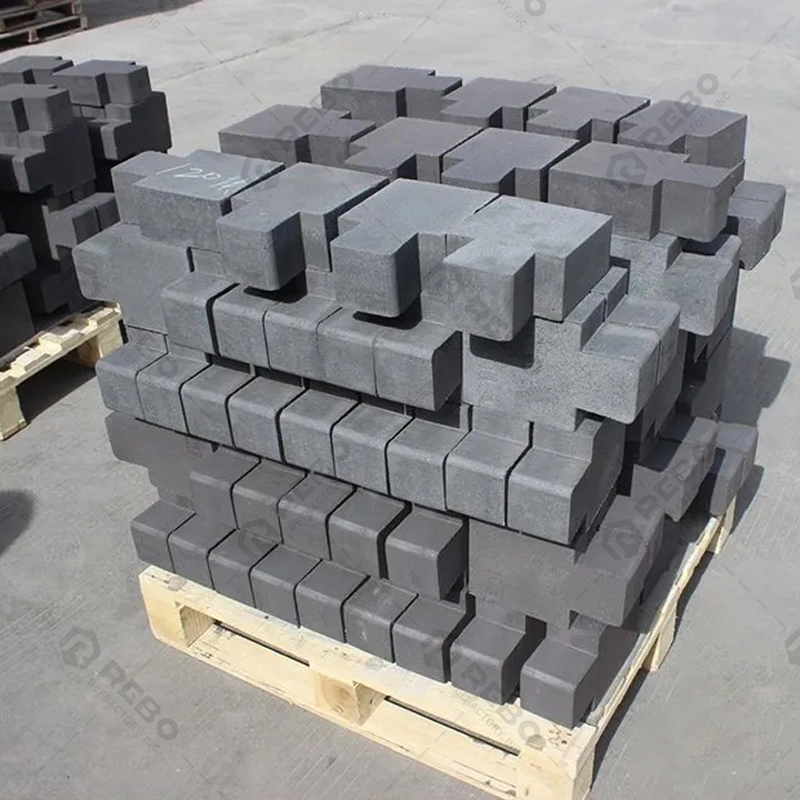
Packaging: Standard export pallet packaging is used, suitable for sea freight and long-distance transport.
After-Sales & Technical Support: We provide masonry guidance documentation and offer 24/7 online after-sales support; customers are welcome to contact us at any time regarding issues with product selection, masonry installation, or usage.