
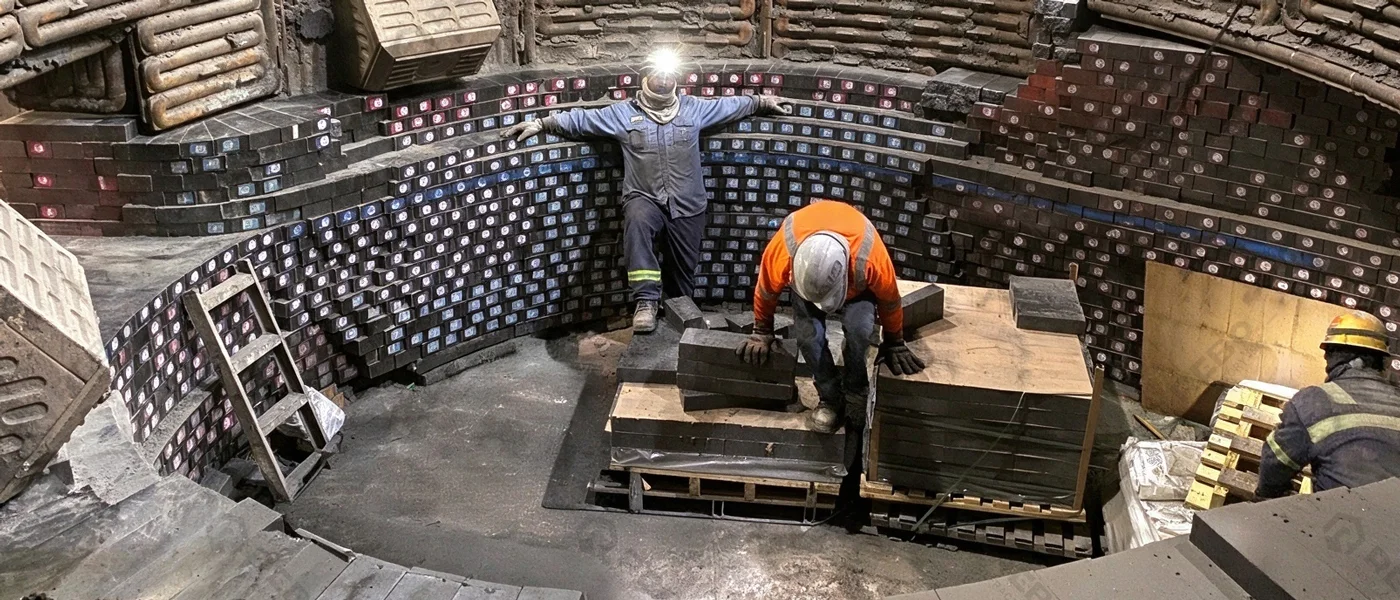
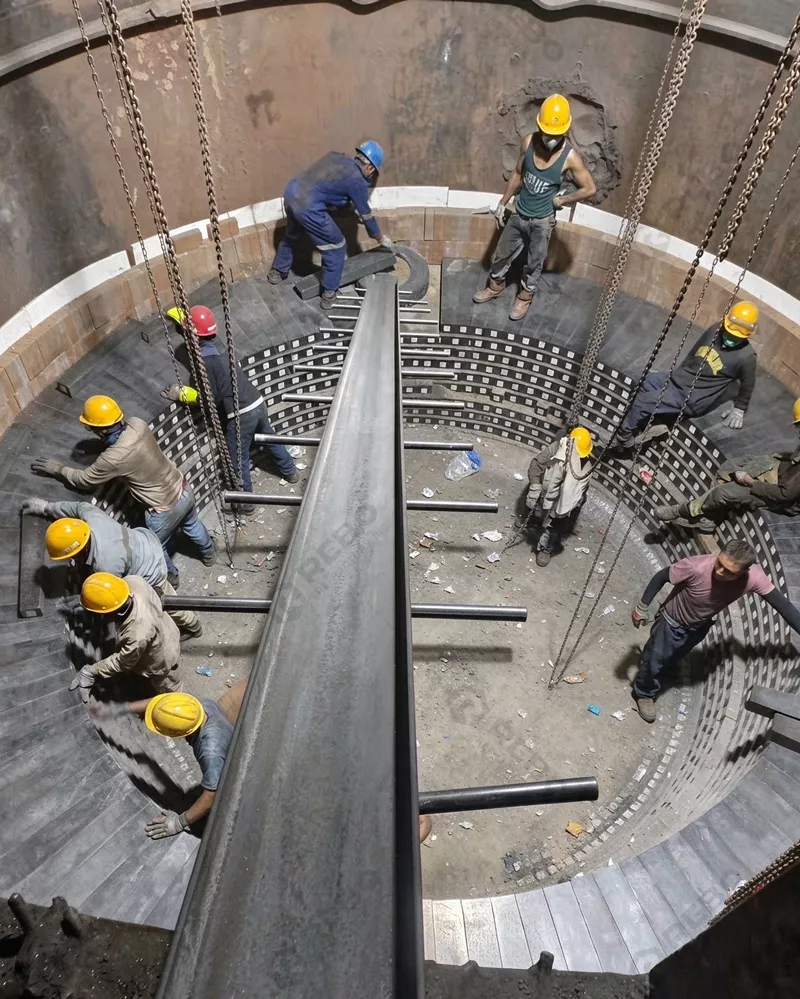
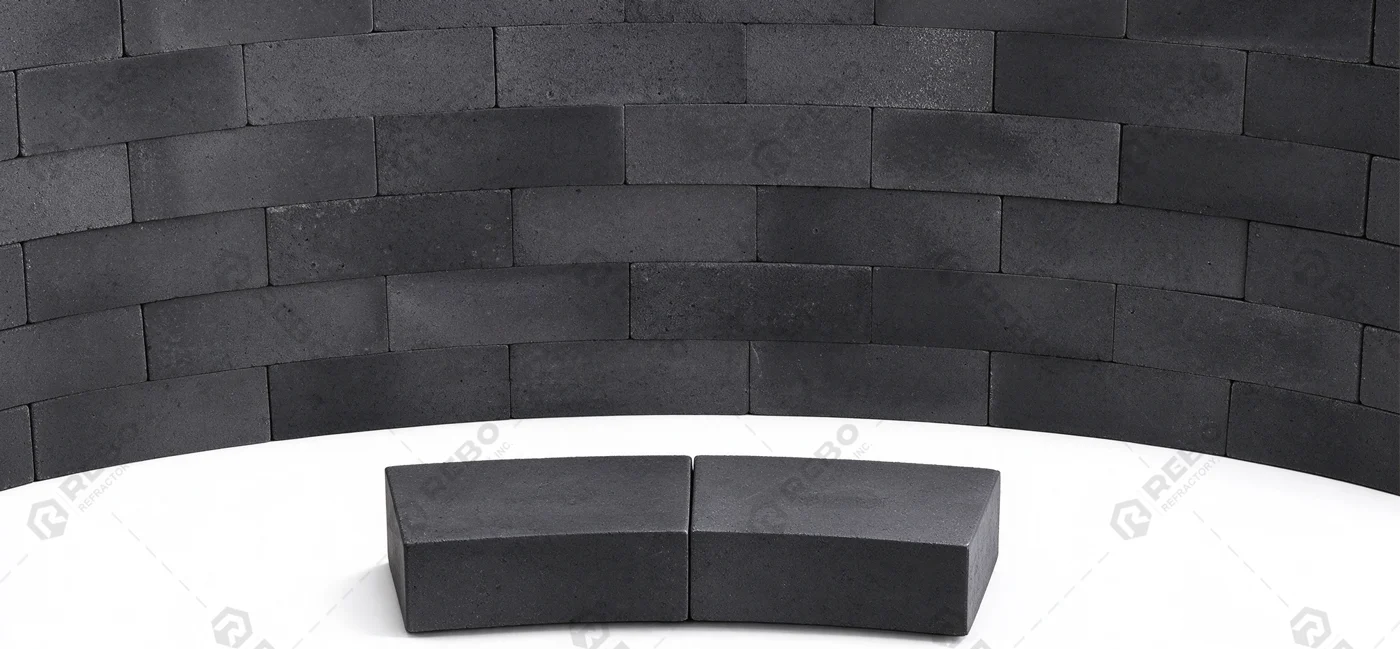
Many buyers require customized magnesia carbon brick for kilns and furnaces, because the internal dimensions of furnaces are never identical. The walls of converters, electric arc furnaces, and ladles are typically curved or tapered. Consequently, the lining must be constructed using wedge-shaped, arched, and specially shaped bricks to precisely match the specific diameter and taper of each piece of equipment. Custom magnesia carbon bricks offer a superior fit during installation, which results in thinner brick joints.
Available Customized Items for Magnesia Carbon Brick
| Items | Options | Effect on performance | Best Suited for |
| MgO Raw Material | Sintered magnesia, fused magnesia, different purity grades. | Fused or high-purity magnesia gives better slag and corrosion resistance | Customers with severe slag attack who want a longer lining life |
| Carbon Material | Different carbon contents. | Higher carbon improves thermal shock and slag resistance, but increases oxidation risk. | Higher carbon content for zones with large temperature swings and severe thermal shock. |
| Antioxidants | Metal powders or compounds such as aluminum and silicon | Protect carbon/graphite from burning out at high temperature and retain its strength and erosion resistance. | Magnesia alumina carbon refractory brick for high furnace temperatures, long waiting times between heats, or carbon that oxidizes easily |
| Spinel addition | Additives that form spinel | Change how the magnesia carbon brick responds to certain slags and thermal cycling. Useful in some ladle conditions | Ladle users, especially when standard MgO-C bricks suffer spalling or slag penetration |
| Density and porosity | Standard or high-density grades | Lower porosity helps limit slag penetration and oxidation, but usually requires better raw materials and tighter process control | Users whose main wear causes are slag penetration and oxidation, and who accept a higher cost for longer life |
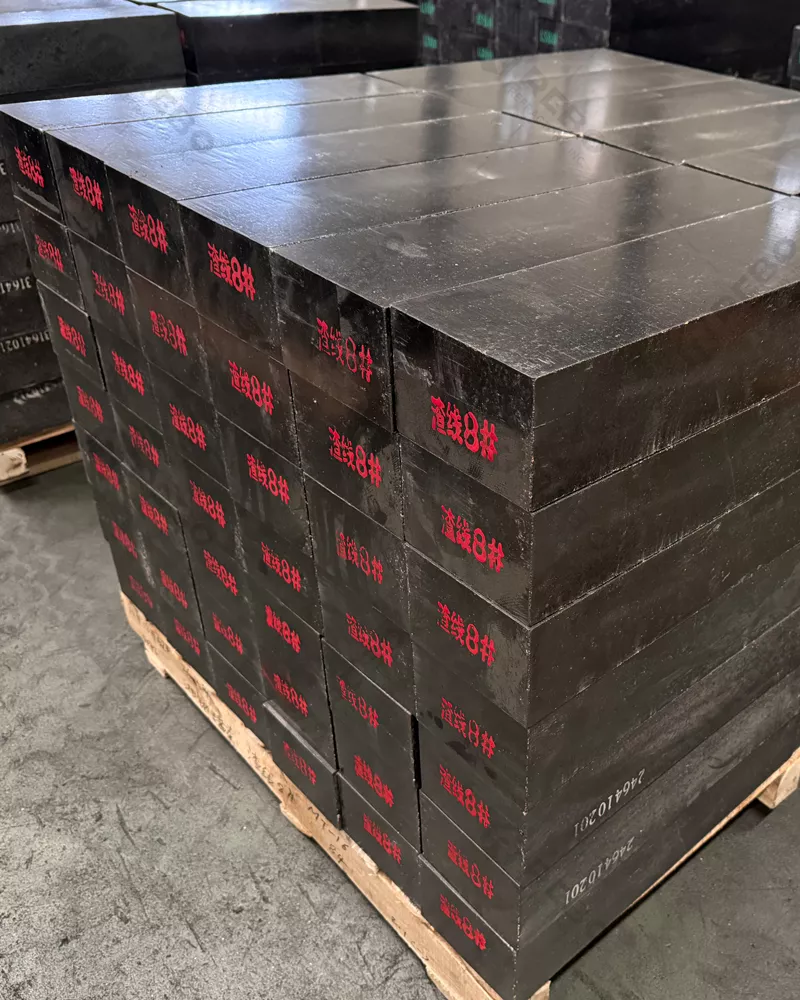
| Shape and size | Standard size (230×114×65 mm), commonly used arch brick, curve brick, big block magnesia… | Fits curved and tapered walls and complex zones, with tighter joints and less on-site cutting | Converter, EAF and ladle lining projects. Special furnace designs, relining of older furnaces, or complex areas such as tap holes. |
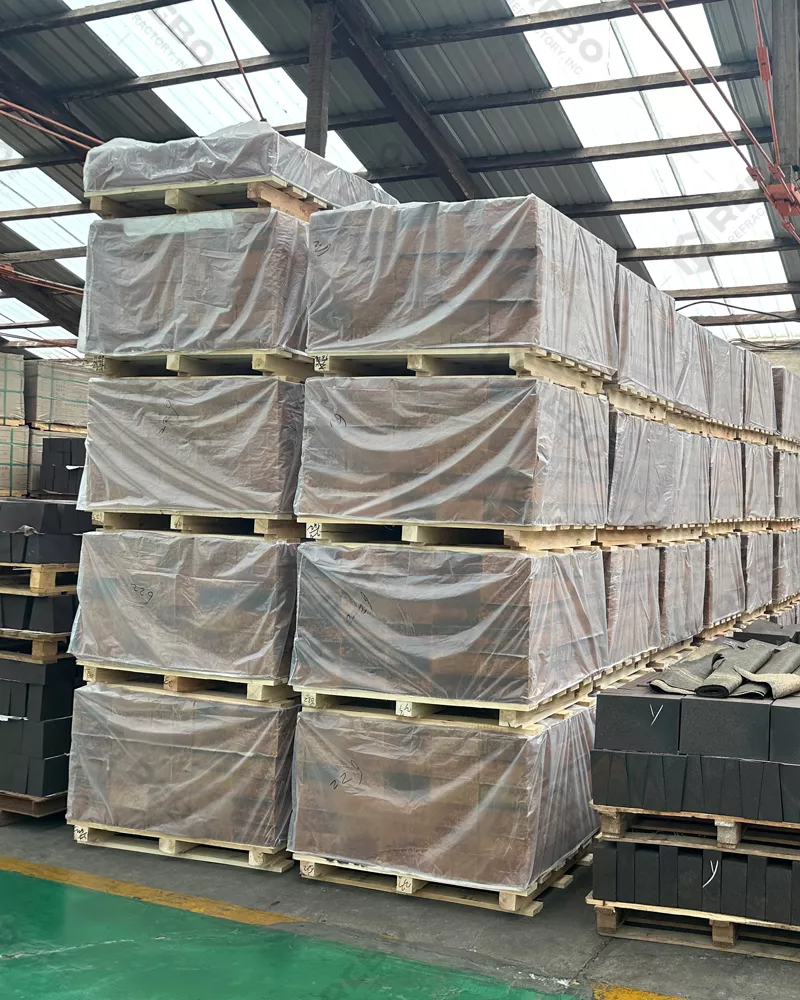
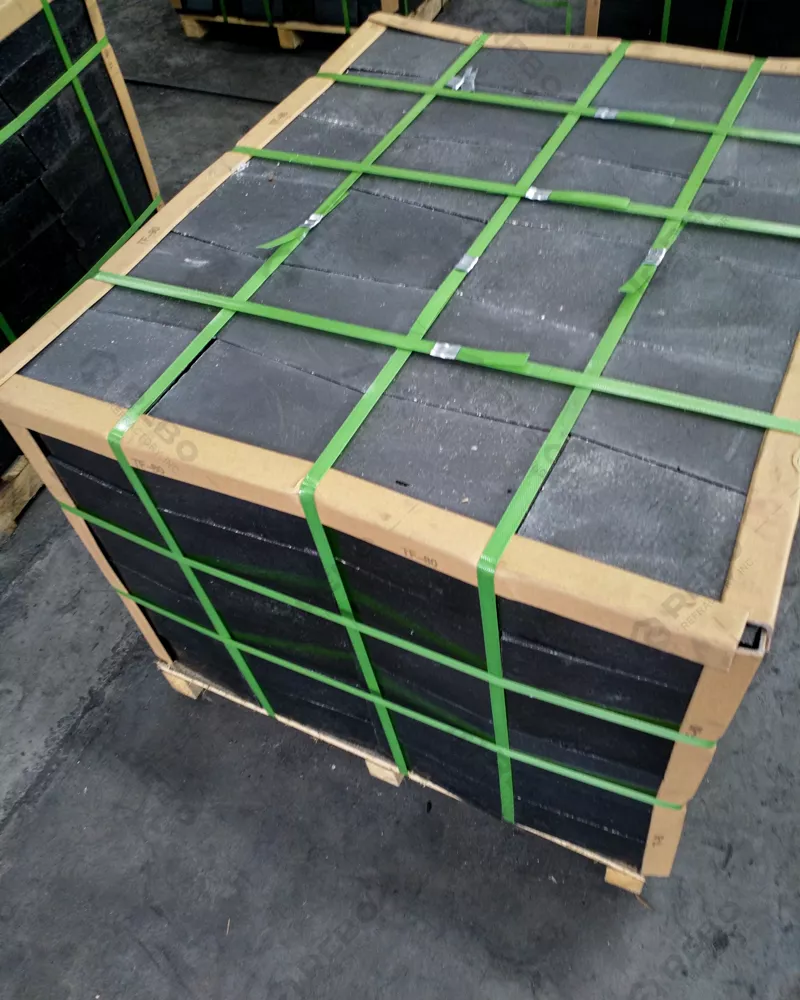
| Marking and packaging | numbering, pallet layout, moisture protection | Prevents mix-ups during installation and protects high quality magnesia carbon bricks during sea shipping. | Export orders, large volumes, or projects with many brick types that must be installed in sequence. |
| Testing and documentation | Batch test reports, third-party inspection | Provides traceability and supports acceptance checks | Large steel plants with strict acceptance procedures, traders, and first-time overseas customers |
Common Application Areas for Magnesia Carbon Bricks
Different zones within the same furnace are subject to varying wear conditions; consequently, a single grade of high temperature resistance magnesia brick rarely meets the requirements of the entire furnace lining. MgO-C bricks are designed for steelmaking vessels. For zones with an oxidizing atmosphere, such as cement kilns, other products such as magnesia spinel brick are normally more suitable. MgO-C bricks are widely used in steelmaking processes, including:
- Basic oxygen furnaces: slag line, charging impact zone, and trunnion area;
- Electric arc furnaces: slag line, hot spots, and sidewalls;
- Steel ladles: slag line (where slag erosion is most severe).
Info to Include in Your Inquiry for MgO-C Brick
- Furnace type (converter, EAF or ladle) and lining zone;
- Operating temperature, steel grades and slag information;
- Current brick, service life and failure mode;
- Drawings or dimensions, including taper and tolerance;
- Preferred MgO grade and carbon content, if any;
- Quantity, packing and destination;
- Required test reports or inspection;
- …
If you’re still puzzled about customization of magnesia carbon bricks, just send your furnace type, drawings and operating conditions. REBO will review your request and send a detailed quotation within 12 hours.