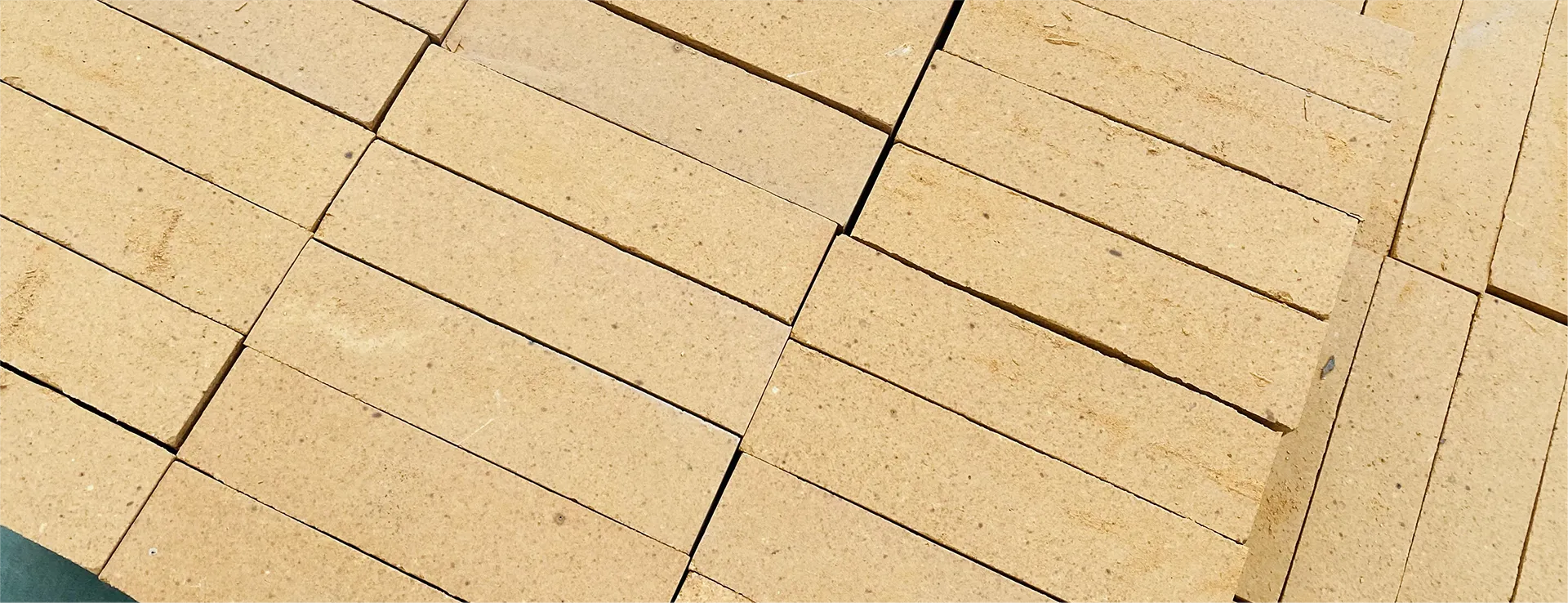
Types of Alumina Refractory Bricks

Fireclay Brick
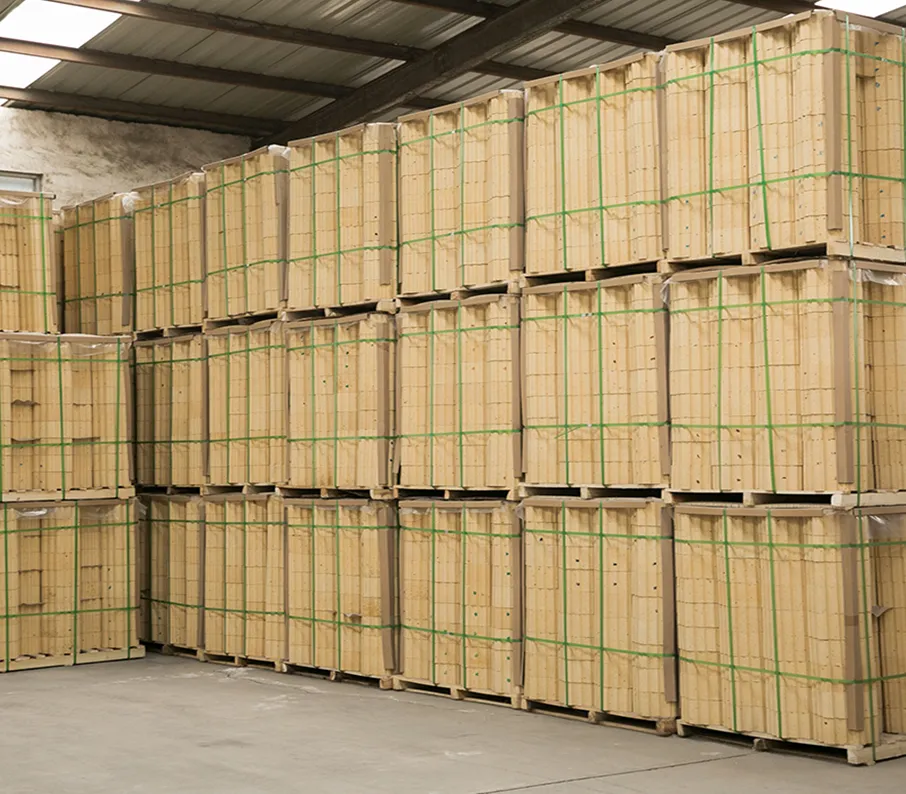
High Alumina Brick

Mullite Bricks

Corundum Brick
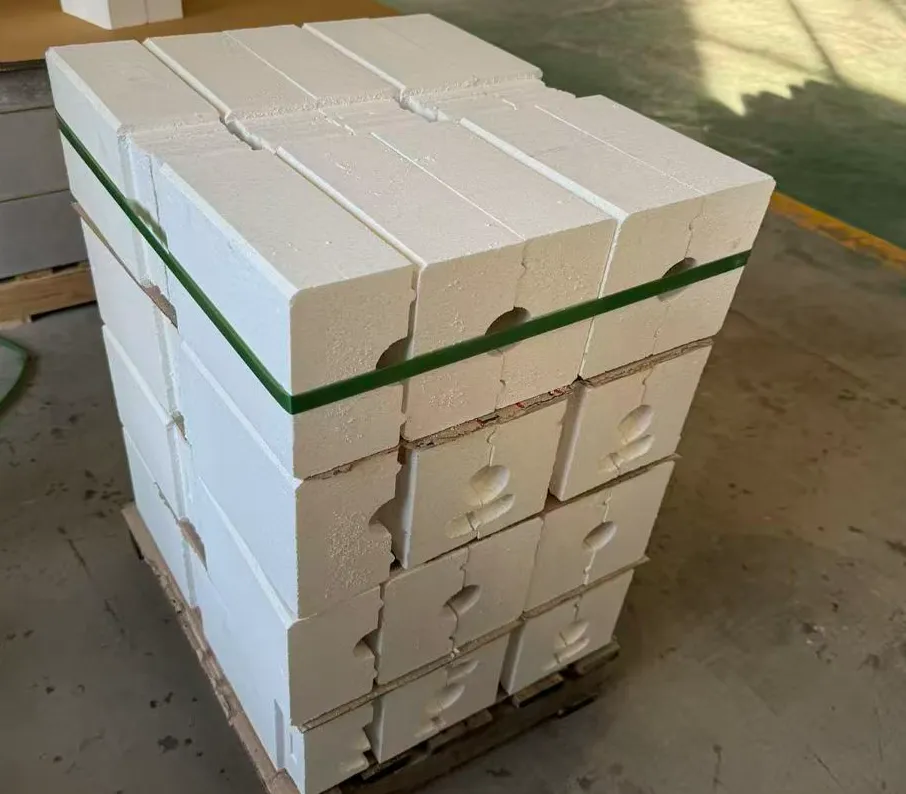
Mullite Corundum Brick
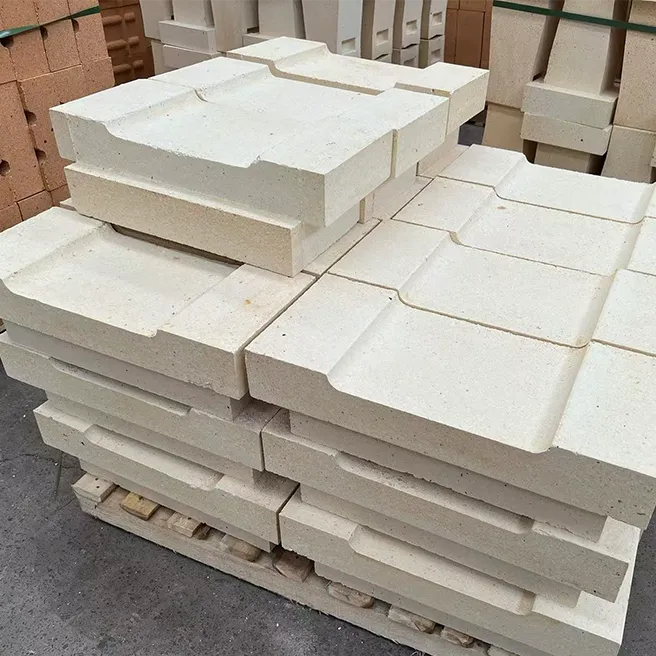

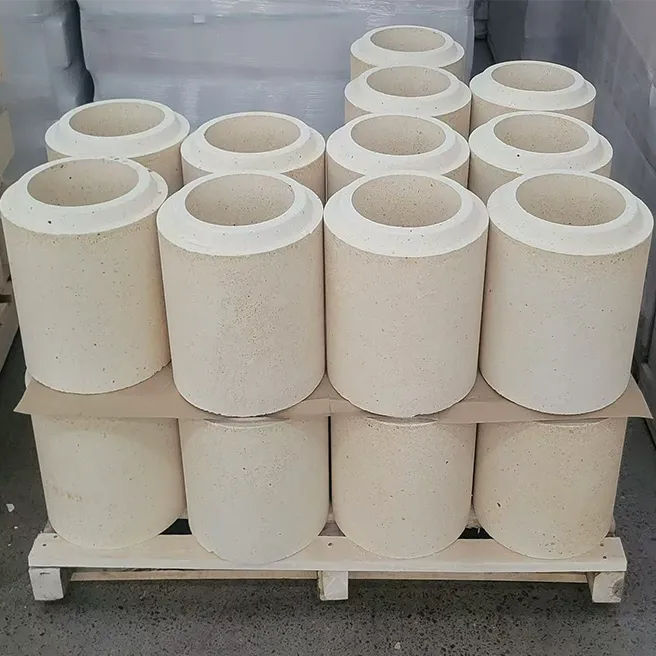
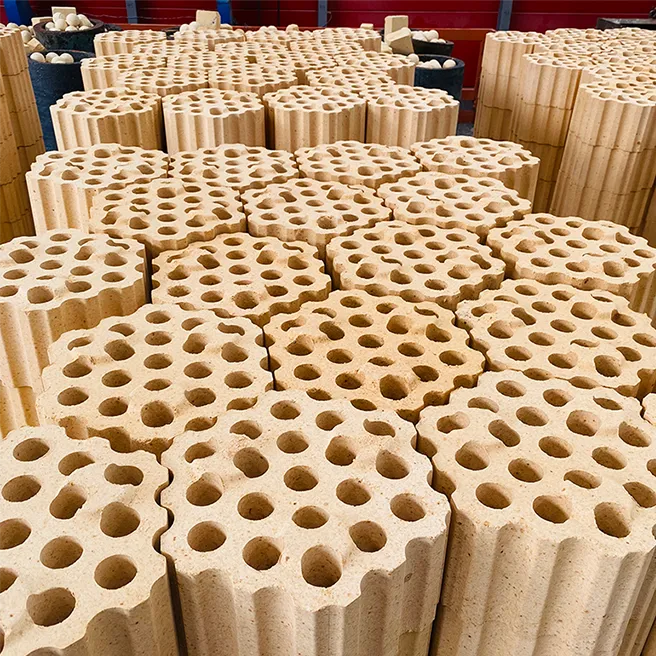
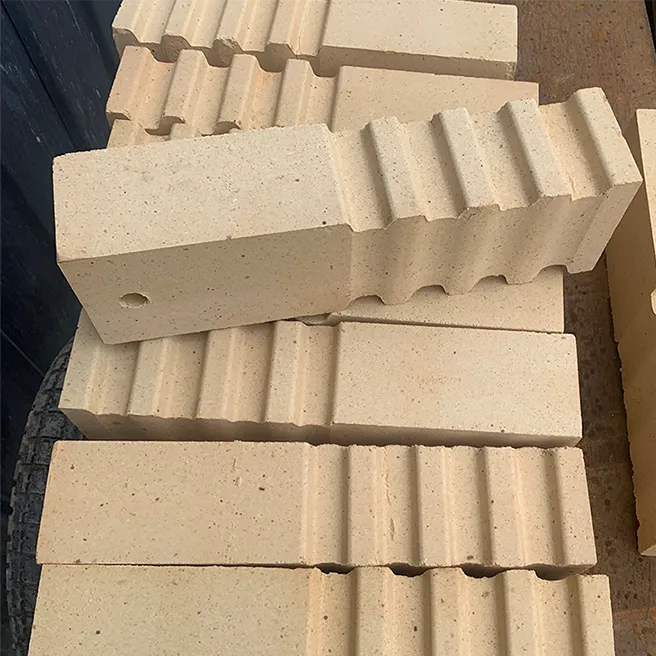
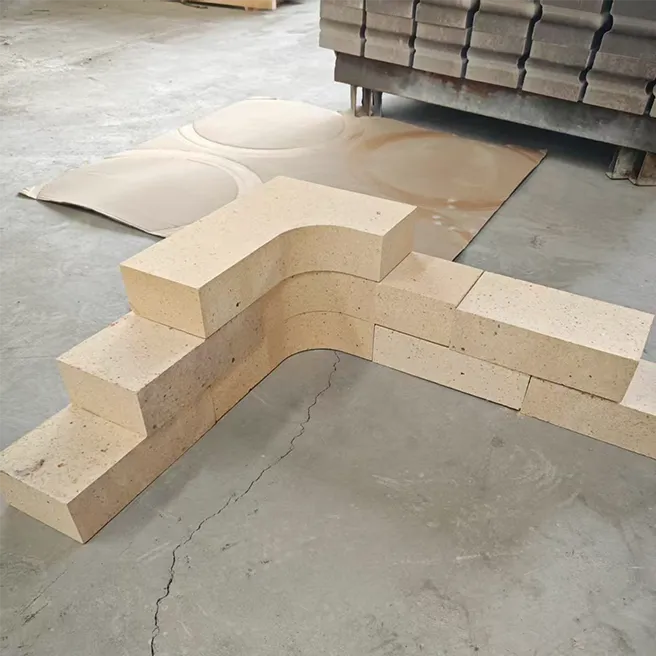
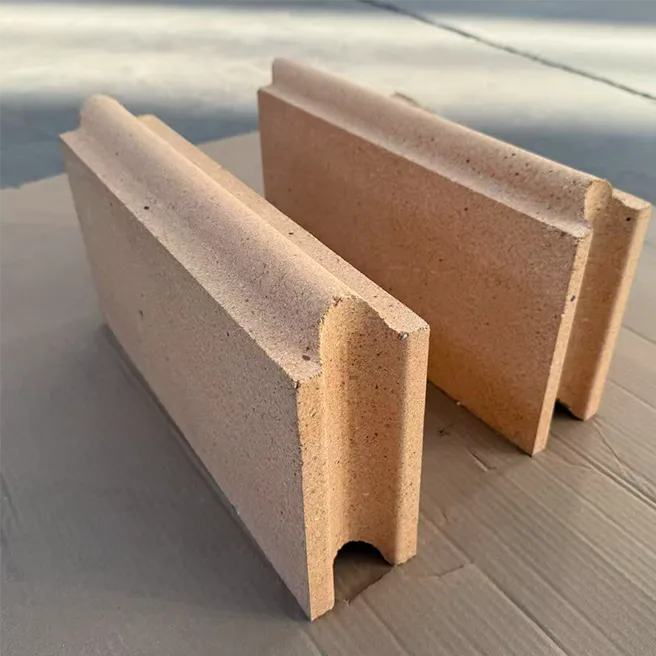
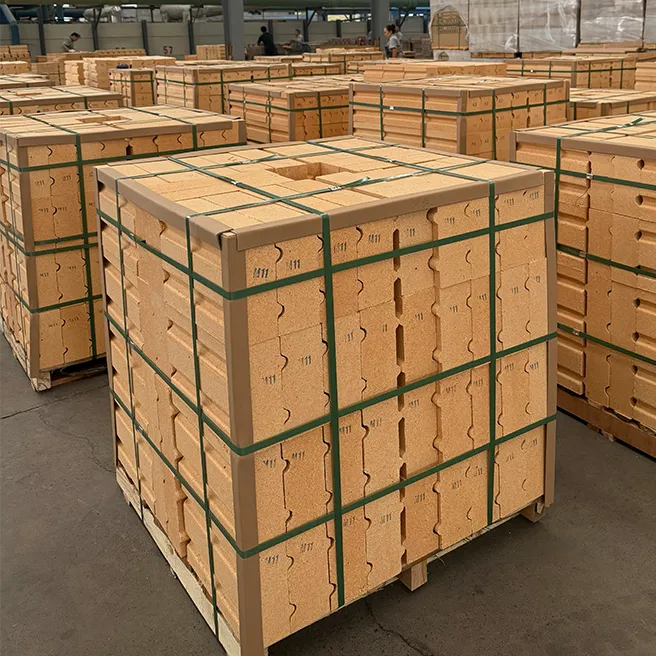
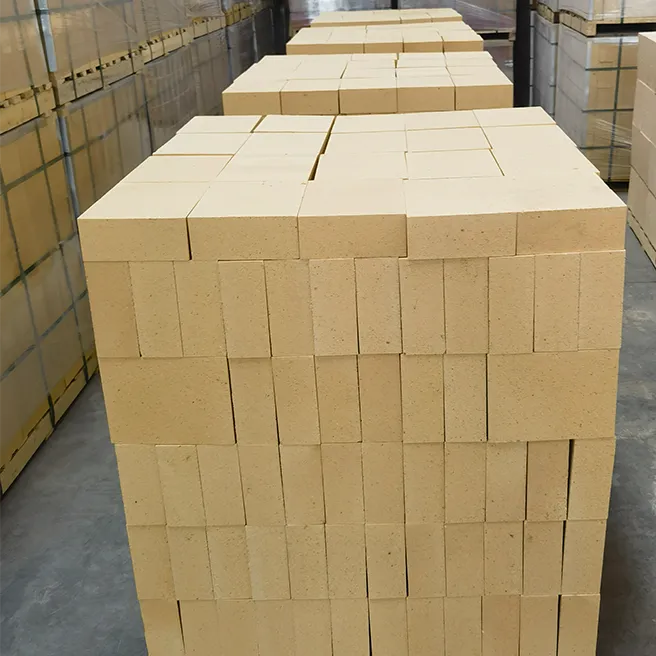
Proven Alumina Refractory Brick Solutions Across High-Temp Industries
REBO does not offer a one-size-fits-all approach to alumina refractory solutions. We build our recommendations around the specific realities of your operation.
Matching Performance to Your Actual Conditions
Before recommending a single material, REBO’s technical team maps your operating parameters, including peak temperature, cycling frequency, chemical environment, and mechanical stress. The result is an alumina brick grade that delivers reliable performance, precisely matched to your conditions and budget.
Specify for Service Life, Not Just for Price
Unlike suppliers who compete on price per brick, REBO shifts the conversation to cost per operating day. This is because consistent Al₂O₃ content, controlled porosity, and verified compressive strength across every batch translate directly into predictable service life. As a result, your maintenance schedules become something your operation can actually plan around rather than react to.
A Partner Beyond the Purchase Order
From technical consultation and custom dimensioning to installation guidance and post-campaign review, REBO stays engaged through the full lifecycle of your refractory lining. Our clients return because we consistently reduce the total risk and total cost of keeping their operations running.

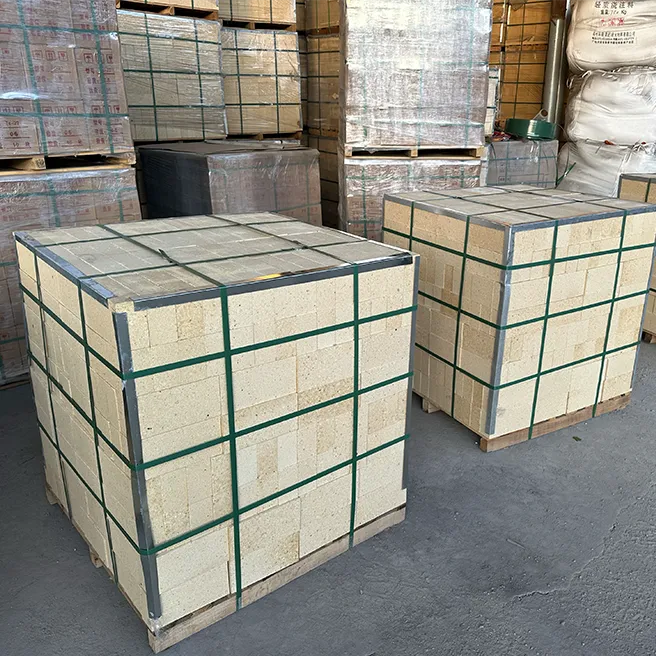

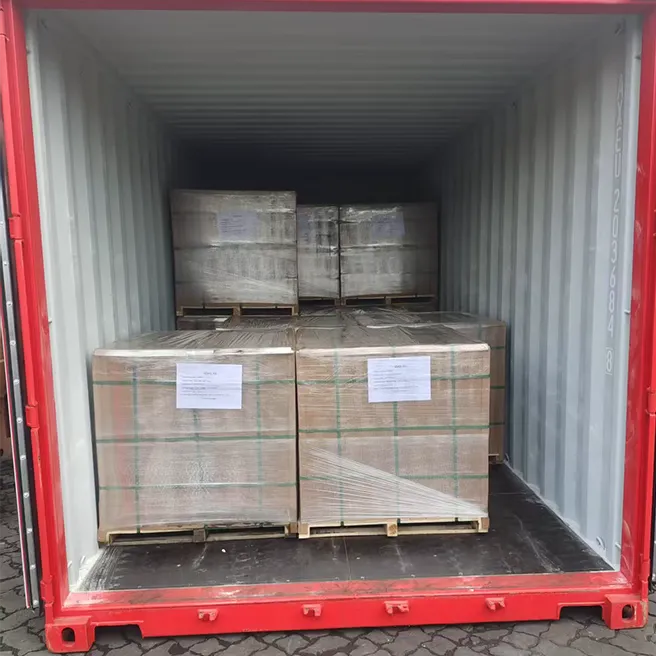
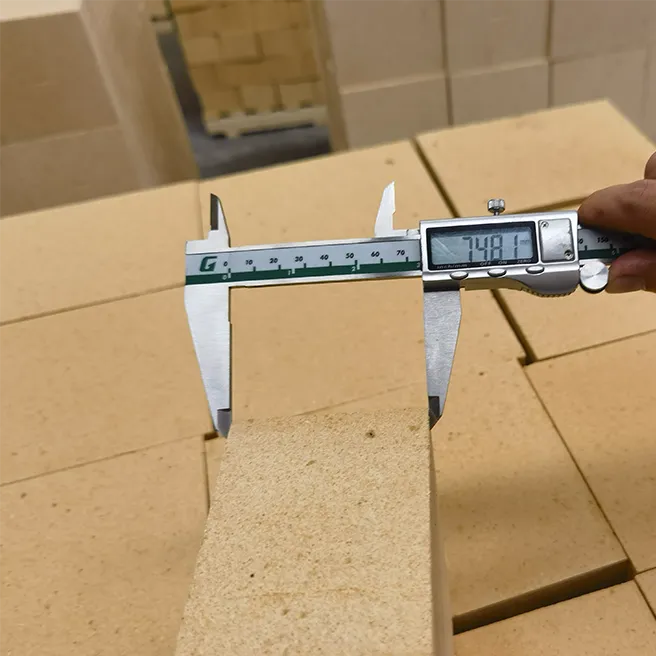
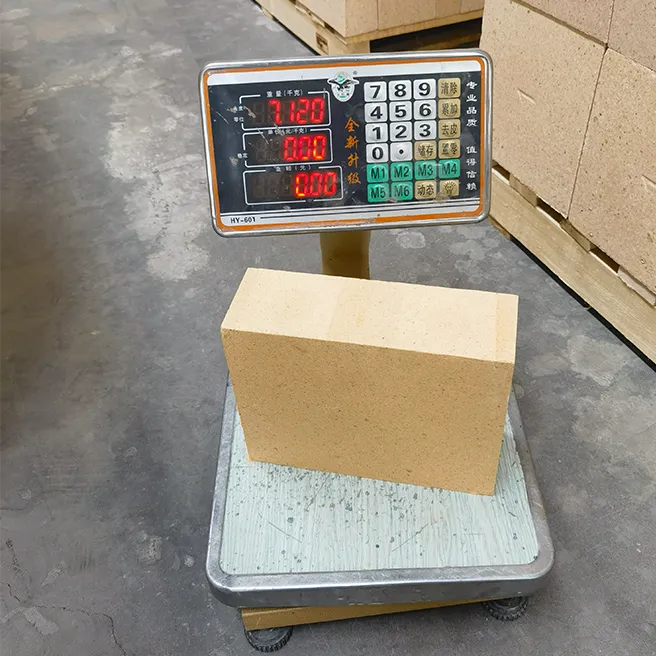
Alumina Bricks Properties
-
High RefractorinessOperates 1580–1800°C and refractoriness rises with Al₂O₃ content.
-
High Mechanical StrengthCold crushing strength 40–200 MPa and stable under load.
-
Chemical Erosion ResistanceResists acidic/basic slags, molten metals, and hot gases in different industries.
-
Thermal Shock ResistanceWithstands repeated rapid temperature changes without cracking.
-
Volume StabilityMinimal shrinkage or expansion under prolonged high heat.
-
Low Thermal ConductivityReduces heat loss and energy consumption.
-
Abrasion ResistanceMohs hardness 7–9 and corundum bricks offer best wear performance.
-
Good ProcessabilityAbundant raw materials and customizable shapes and sizes.
Where Alumina Refractory Bricks Perform Best
Alumina firebricks serve heavy industries worldwide specifically, industries that face extreme heat, chemical erosion, and mechanical stress on a daily basis. Given these demands, material performance is not a preference; it is a requirement. That is why every REBO alumina firebrick is engineered to meet the harshest conditions your operation can present.
Bricks line blast furnace bellies, boshes, and lower shafts. They also line hot blast stove combustion chambers and checker brickwork. Other uses include electric arc furnace roofs and sidewalls. They also protect ladle and tundish working linings and impact zones.
Bricks go into rotary kiln transition and cooling zones. They also line calciner walls and constrictions. Another common use is preheater cyclone linings.
The glass industry uses aluminum oxide bricks for regenerator checker brickwork. They also line port walls and furnace pool bottoms and walls. Another application is annealing lehr chamber linings.
Bricks protect aluminum electrolytic cell sidewalls and bottoms. They also line copper smelting furnace walls and bottoms. Induction furnaces receive full linings from these bricks.
The ceramics industry uses bricks in tunnel kiln roofs and walls. They also go on tunnel kiln cars and shuttle kiln chamber linings. Roller kiln high-temperature zones use them as well.
Bricks line power station boiler combustion chambers and flues. They also line waste incineration furnace combustion zone walls. CFB boilers use them for furnace chambers and cyclone
See REBO Alumina Refractory Brick in Action
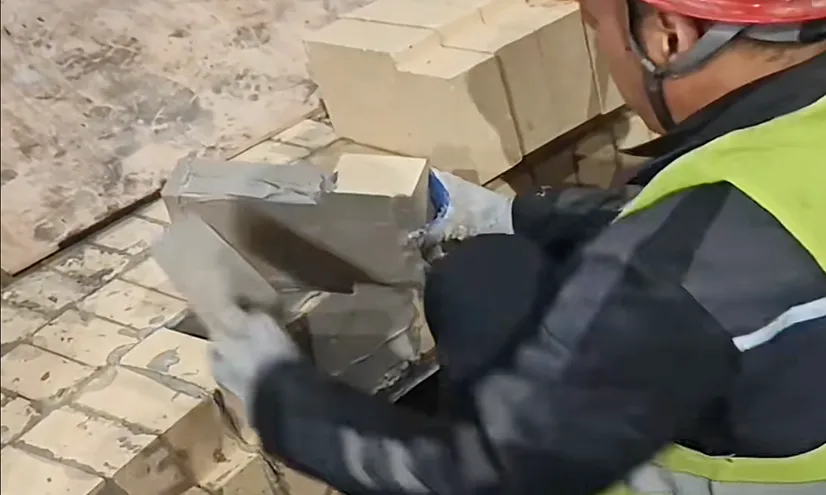
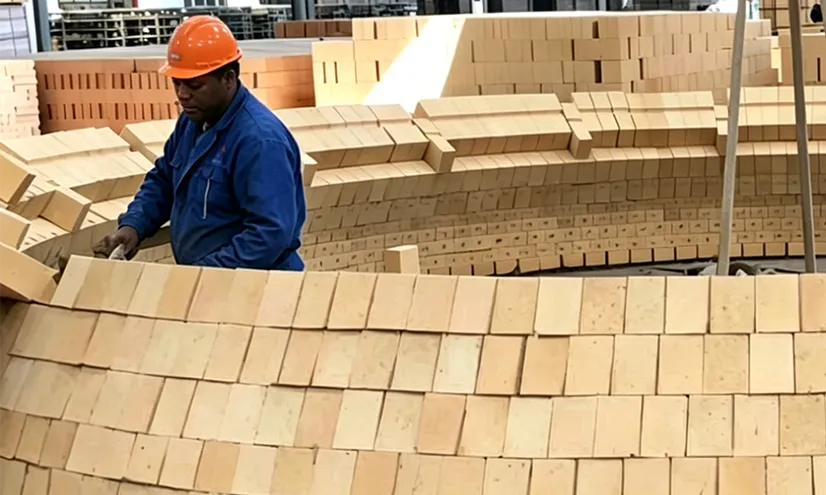
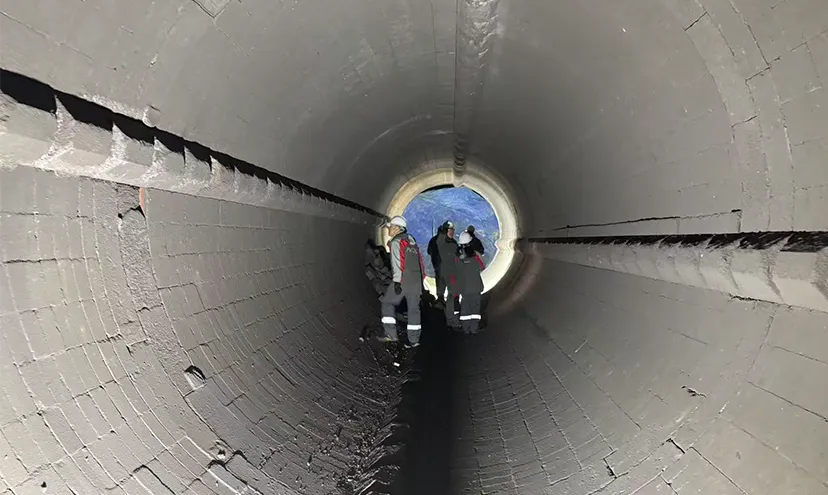
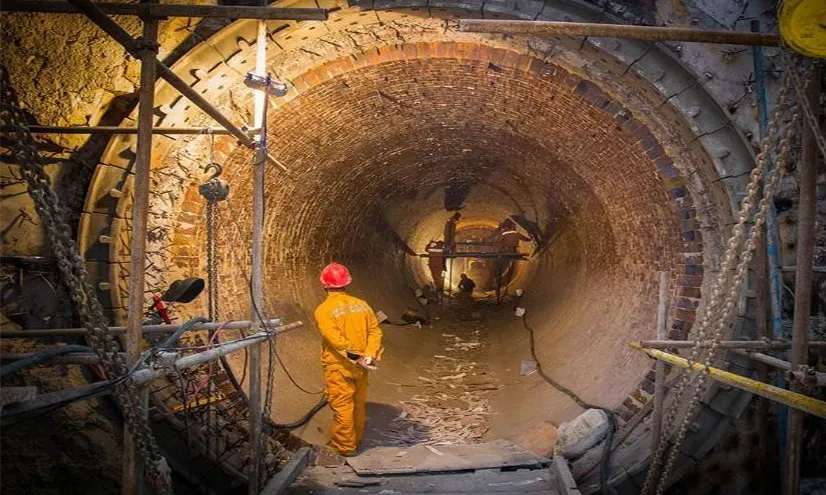
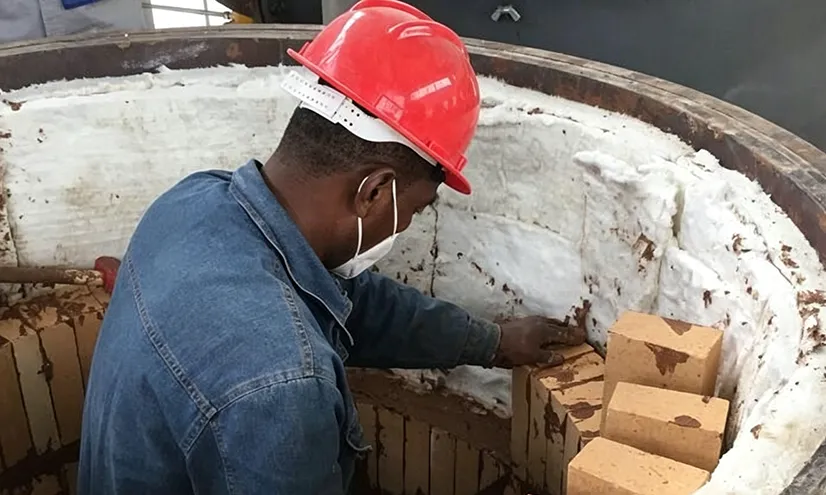
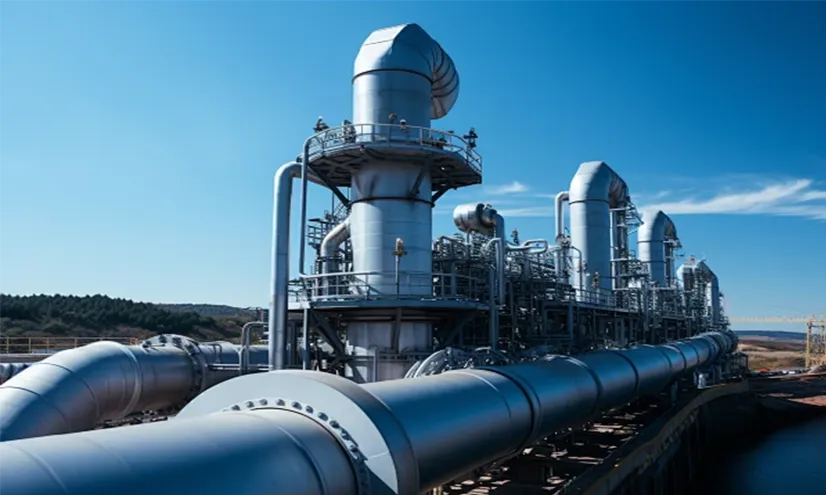
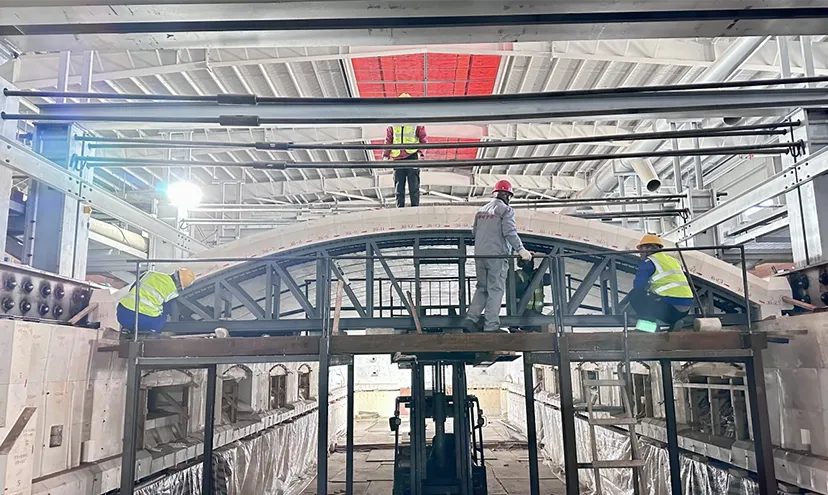
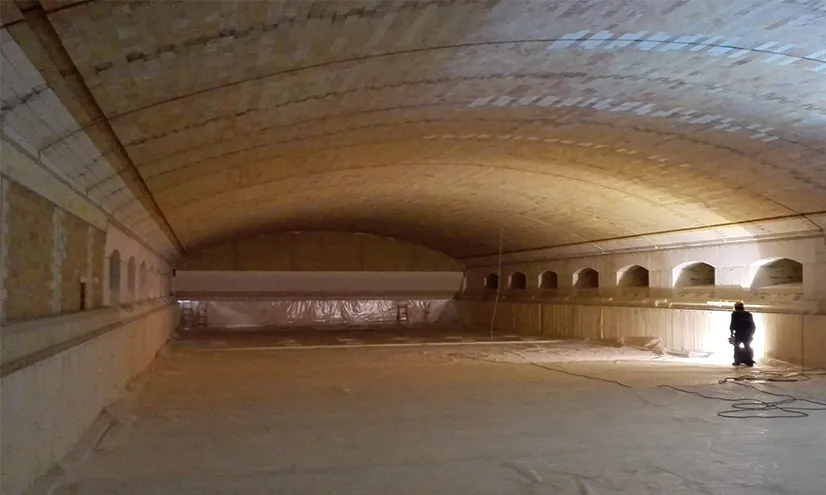
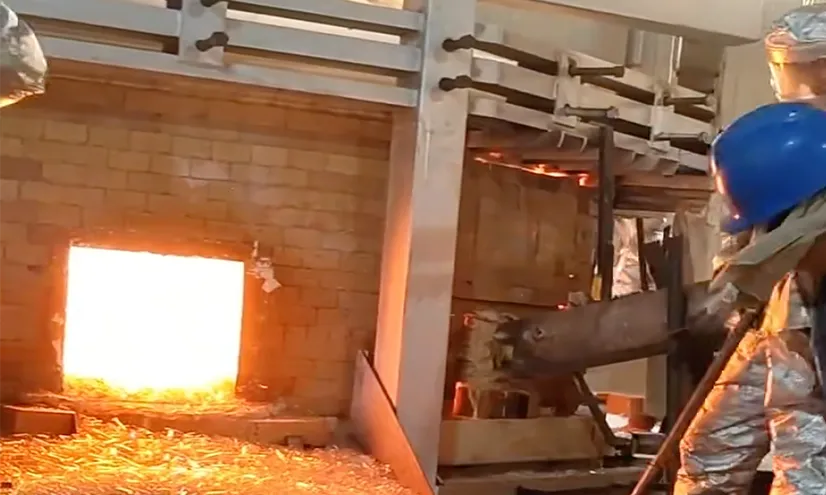
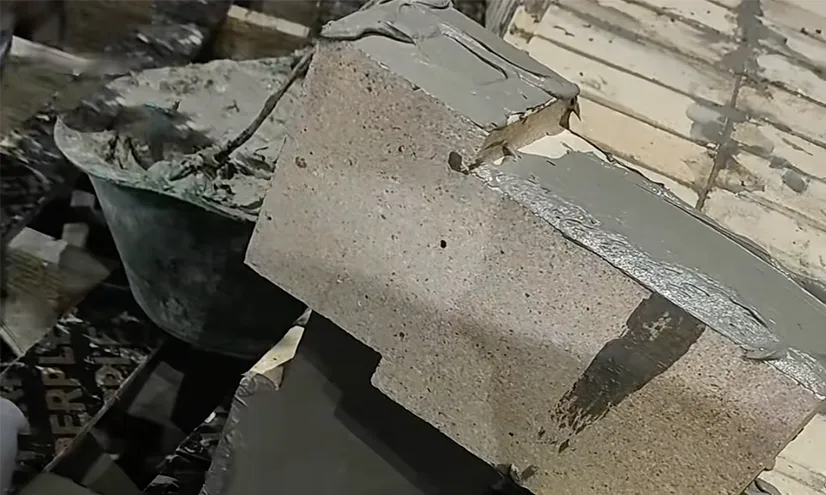
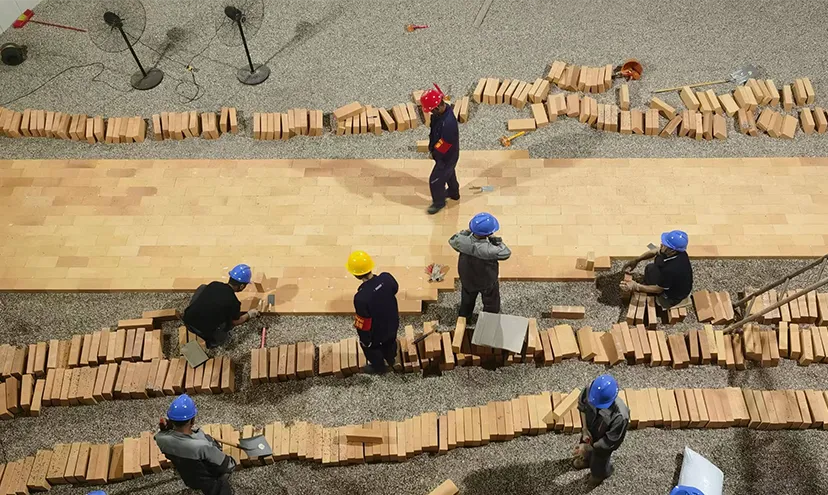
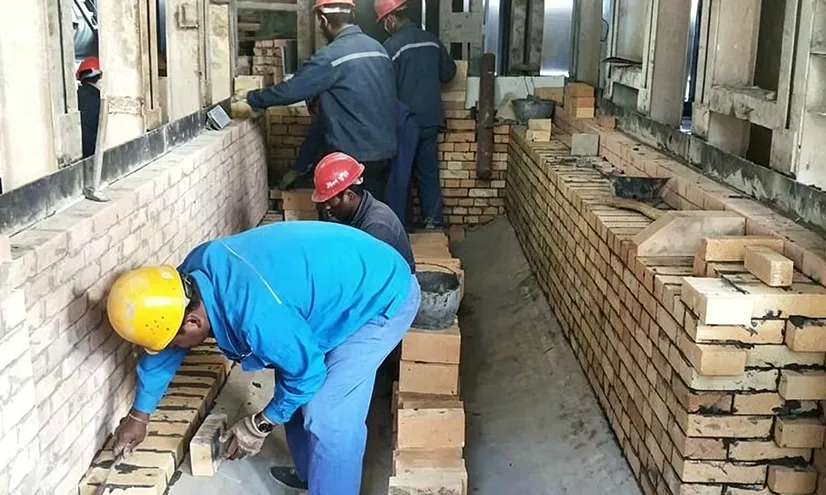
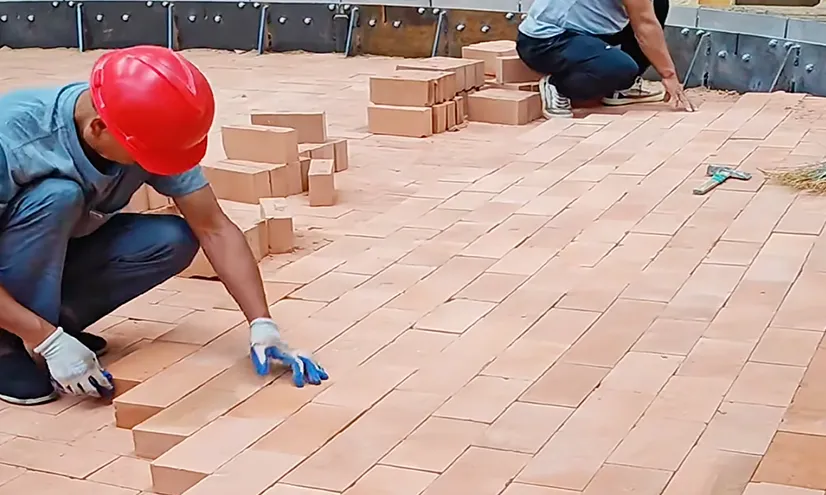
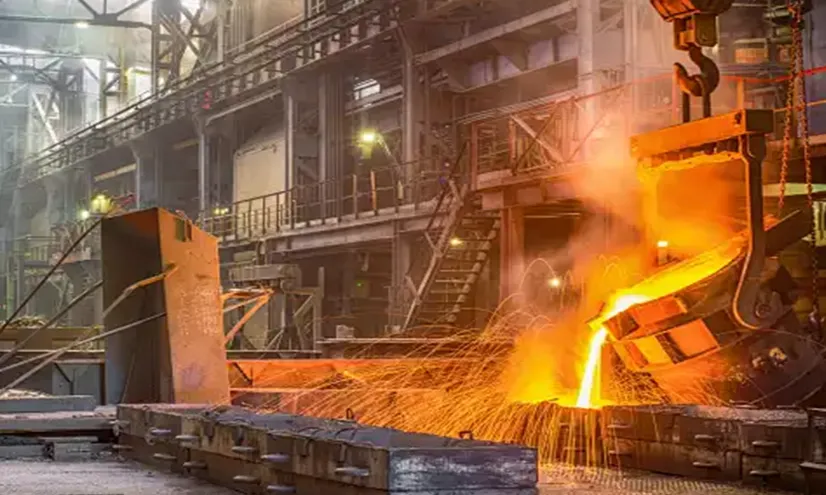
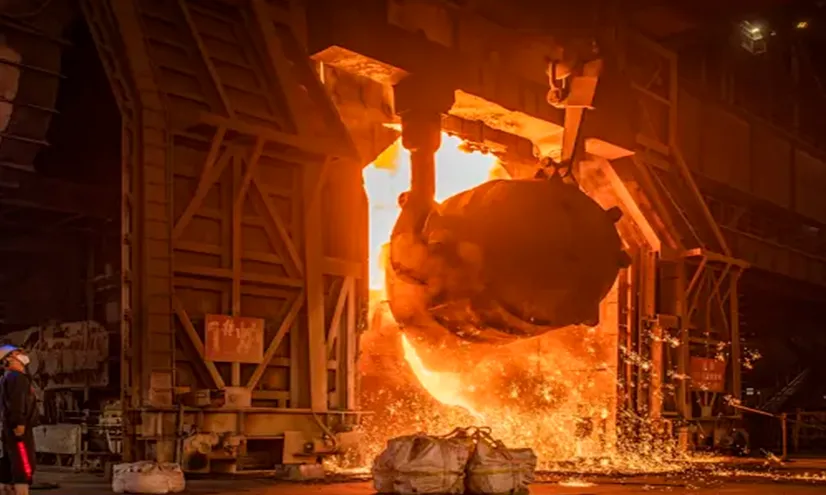
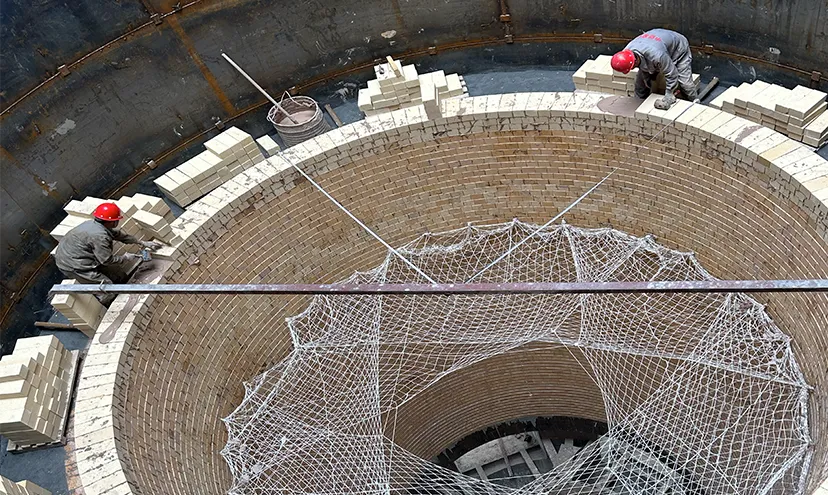
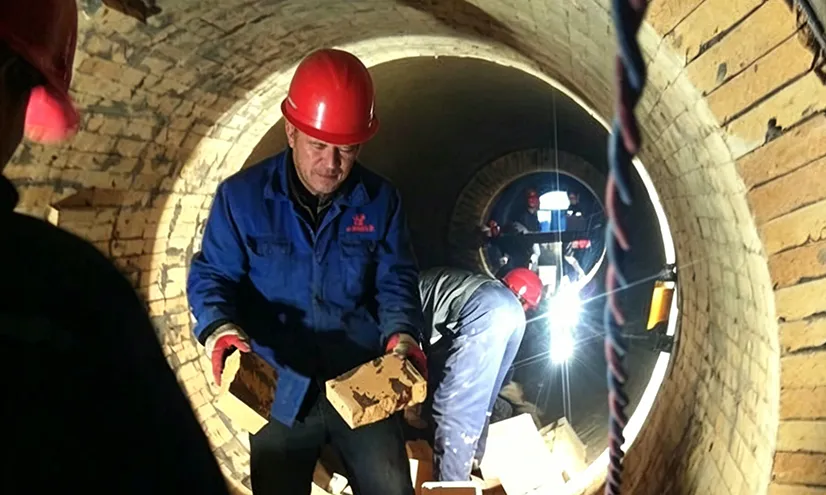
Every brick we ship is built for real-world performance. To illustrate this, the photos below are taken directly from customer installation sites across the steel, cement, glass, and petrochemical industries. In other words, what you see is REBO alumina refractory bricks in place, at scale, and under real operating conditions not studio shots or rendered simulations. Customers also are satisfied with our competitive factory alumina bricks price.
From blast furnace linings in Southeast Asia to rotary kiln installations in the Middle East, our factory-direct supply ensures every project receives consistent quality, precise dimensions, and on-time delivery exactly as specified, without exception. This is possible because our vertically integrated production model eliminates intermediaries, giving you direct control over specification, lead time, and quality verification at every stage.
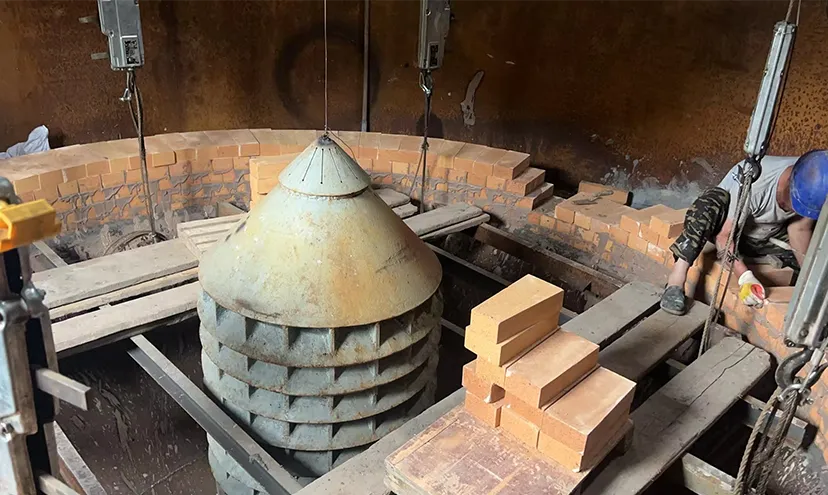
Steel & Metallurgy
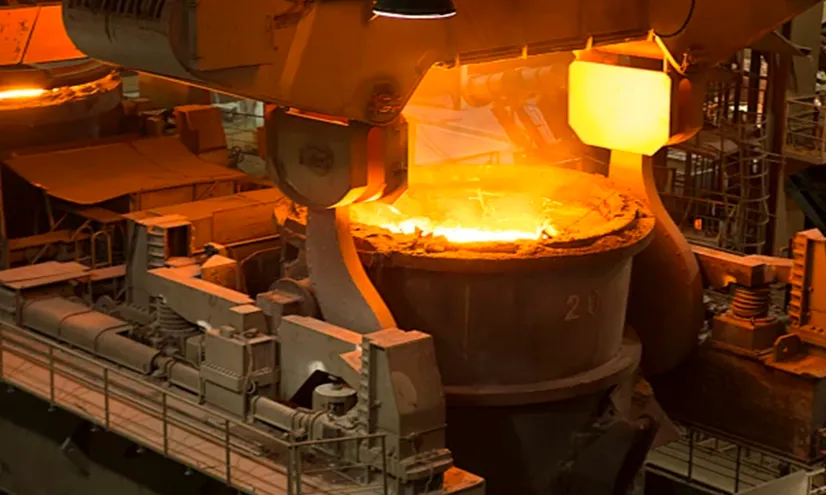
Requires bricks with high slag resistance and thermal shock stability under rapid temperature swings.
Direct contact with molten steel. Demands high density, low porosity, and erosion resistance.

Cement Industry
Subject to mechanical stress, alkali attack, and continuous rotation. Spalling resistance is critical.
High dust erosion and abrupt temperature changes demand abrasion-resistant, thermally stable bricks.
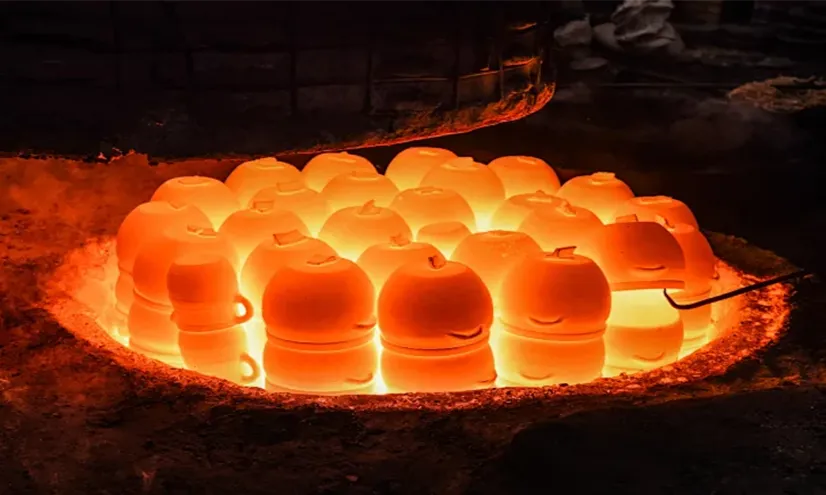
Glass & Ceramics
Checker bricks must resist alkali vapour, thermal cycling, and maintain heat exchange efficiency over 5–8 year campaigns.
Long continuous operation at 1300–1400°C. Dimensional precision matters for tight stacking and kiln car flatness.
Non-ferrous Metals
Must resist aluminum penetration and molten metal corrosion. Phosphate-bonded grades preferred.
High-temperature oxidizing atmosphere combined with slag attack demands high Al₂O₃ content and dense structure.
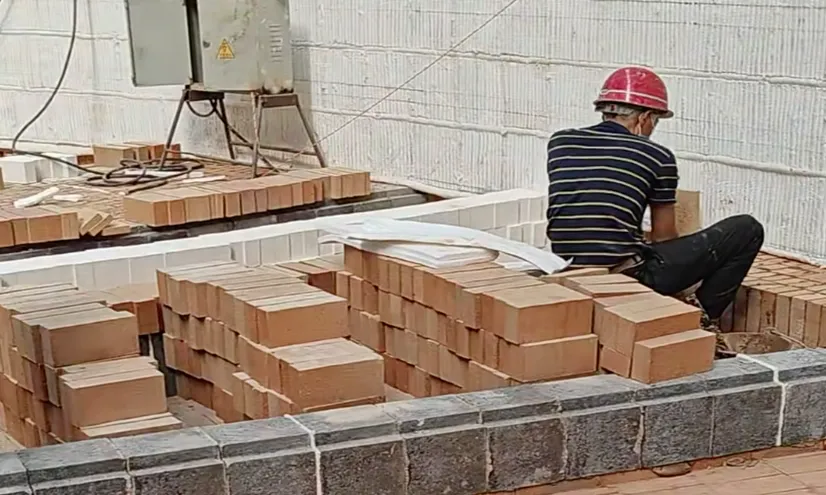
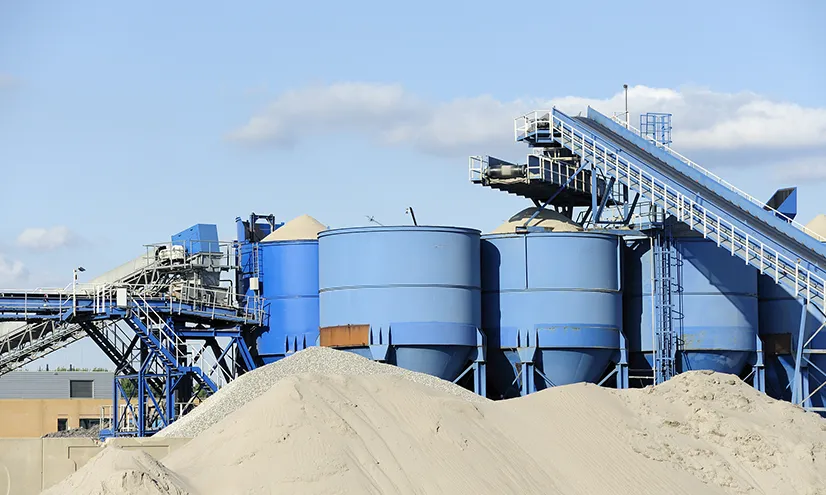
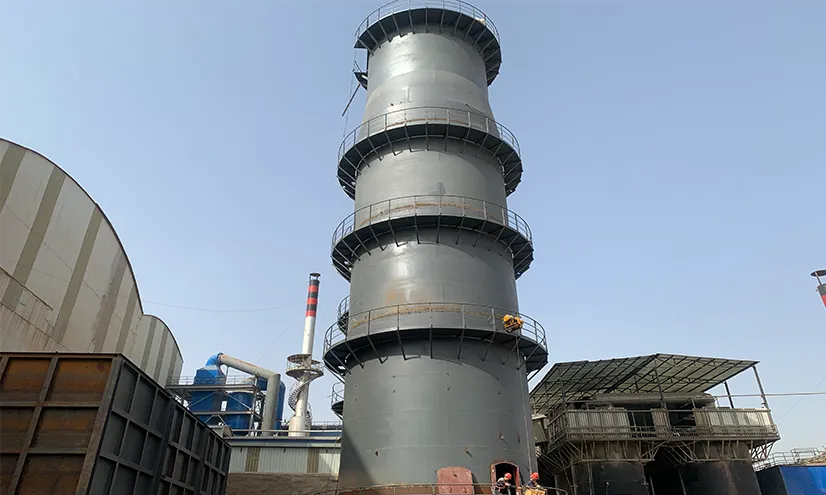
Continuous operation under mechanical load and CO₂-rich atmosphere. Abrasion and thermal stability are paramount.
Similar demands to cement kilns but with stronger abrasive wear from lime particles.
Recommended Product Combinations for Alumina Refractory Brick